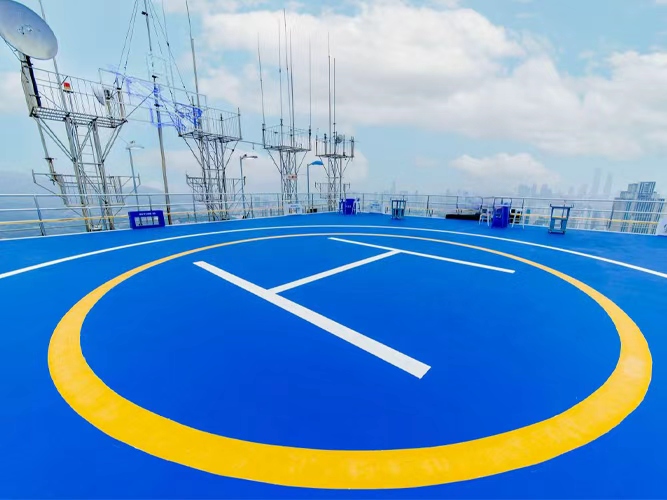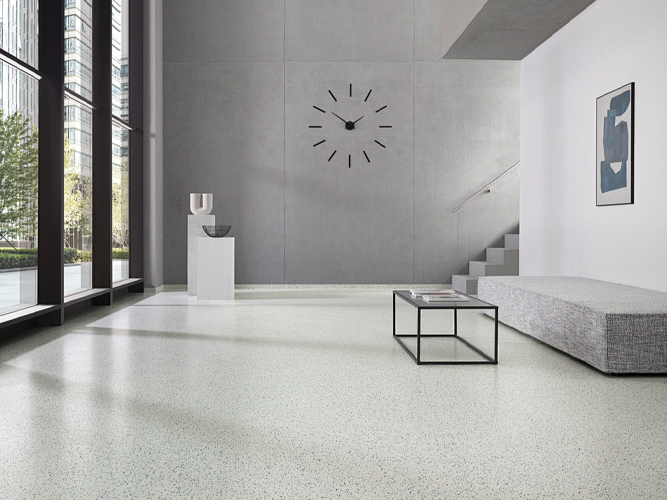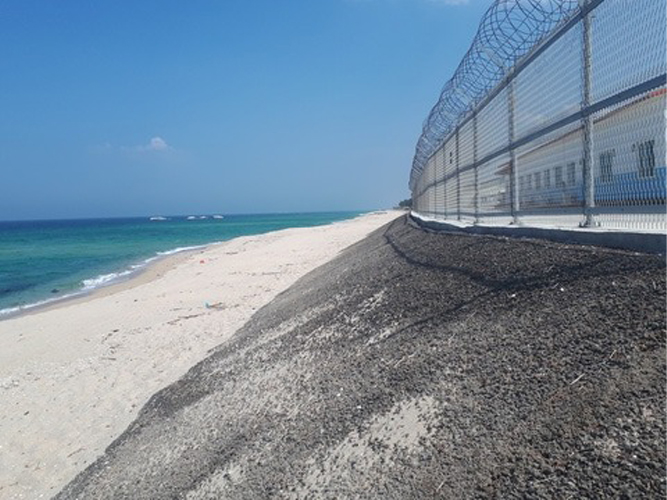
Selecting the right road surfacing materials is a critical decision for any infrastructure project. The quality of the surface directly affects road safety, durability, maintenance costs, and long-term performance. Whether for highways, urban roads, bicycle lanes, industrial areas, or public spaces, choosing the correct surfacing solution can significantly improve project value.
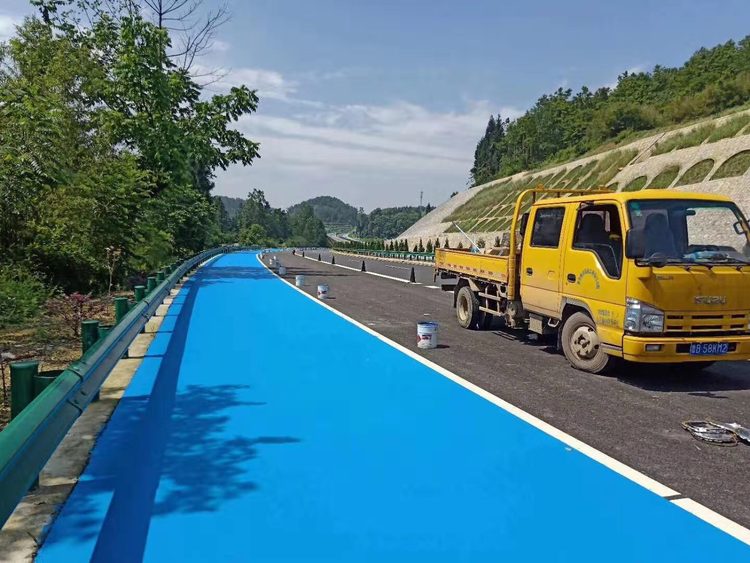
Before selecting road surfacing materials, it is important to understand the specific needs of the project.
Consider factors such as:
Traffic volume and vehicle types
Road usage conditions
Climate and weather environment
Required service life
Safety requirements
Visual design expectations
A highway with heavy truck traffic may require a different solution compared with a bicycle lane or pedestrian pathway.
Road safety is one of the most important factors when choosing surfacing materials. Surfaces with excellent skid resistance help vehicles maintain better control, especially during braking, turning, and wet weather conditions.
For safety-focused projects, consider materials that provide:
High friction performance
Strong tire grip
Reliable wet-weather resistance
Improved braking safety
High Friction Surfacing and Colored Anti-Skid Pavement are often used in areas where additional safety performance is required.
A high-quality road surface should withstand daily traffic loads and environmental challenges.
Important performance factors include:
Wear resistance
Weather durability
UV resistance
Temperature stability
Strong adhesion
Durable materials can reduce maintenance frequency and help lower long-term project costs.
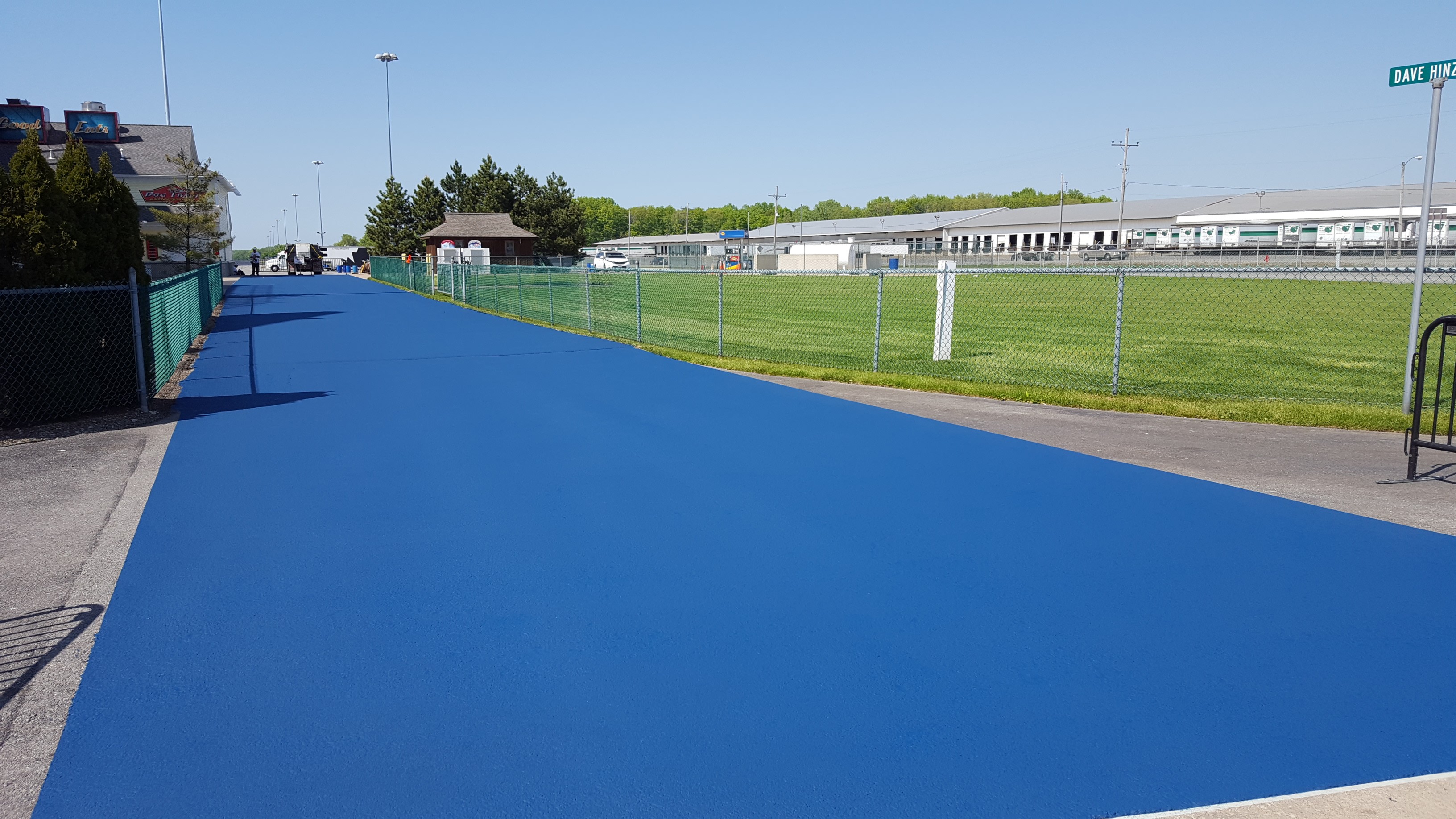
Different regions have different environmental challenges. In tropical areas, road surfaces must withstand heavy rainfall, high temperatures, and strong sunlight.
For regions with challenging climates, choose materials with:
Water resistance
Heat resistance
Anti-aging properties
Long-term color stability
The right material selection ensures consistent performance throughout the pavement’s service life.
Different applications require different surfacing solutions.
Require high durability, strong friction performance, and resistance to heavy traffic.
Need safety, visibility, and compatibility with smart city designs.
Require comfortable surfaces with excellent anti-slip properties and attractive colors.
Need materials that can handle frequent vehicle movement and heavy loads.
Require strong bonding and reliable performance in demanding conditions.
Construction time and installation requirements can influence project costs.
Good road surfacing materials should provide:
Efficient installation process
Good compatibility with existing pavement
Reduced traffic disruption
Easy maintenance options
Working with an experienced supplier can help contractors select the correct installation method and improve project efficiency.
A professional road surfacing material supplier should provide more than products. They should offer technical support, quality control, and customized solutions.
Important supplier factors include:
Manufacturing experience
Product quality certification
Technical guidance
Stable supply capacity
After-sales support
A reliable supplier helps ensure the final pavement meets safety and performance expectations.
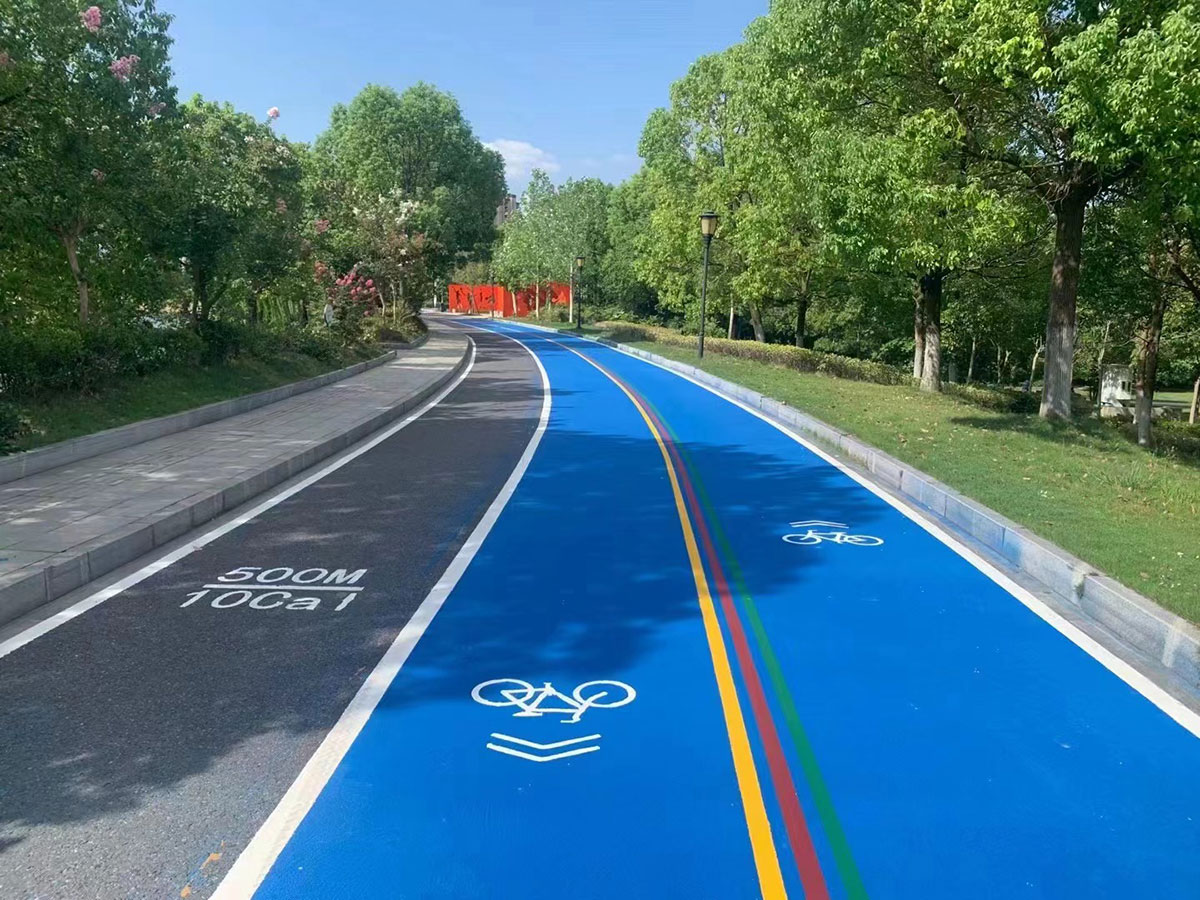
Choosing the best road surfacing materials requires careful consideration of safety, durability, climate conditions, application requirements, and supplier capability.
For modern infrastructure projects, advanced solutions such as High Friction Surfacing and Colored Anti-Skid Pavement provide improved road safety, better visibility, and long-lasting performance.
By selecting the right materials and working with an experienced supplier, contractors and project developers can build safer, more durable, and more efficient transportation environments.