As urban transportation systems continue to evolve, cities are placing greater emphasis on road safety, accessibility, and sustainable infrastructure. Colored anti-slip ramp solutions have become an important part of modern smart city construction, helping improve traffic guidance, pedestrian safety, and road durability in high-risk areas.
These specialized ramp surfacing systems combine high-friction aggregates with durable resin binders to create a safe, visually clear, and long-lasting pavement solution for vehicles, cyclists, and pedestrians.
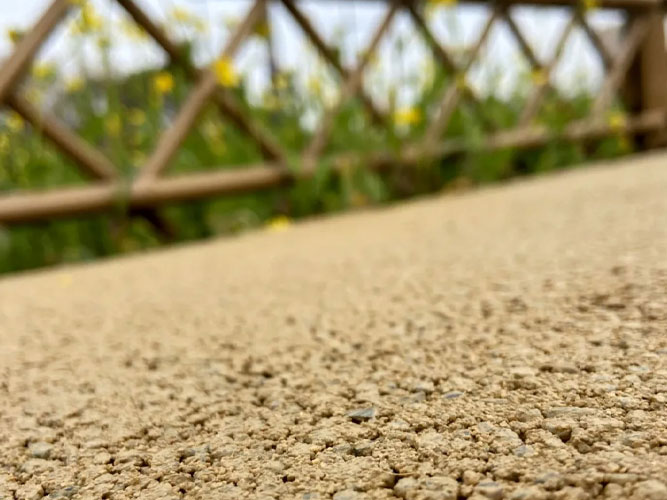
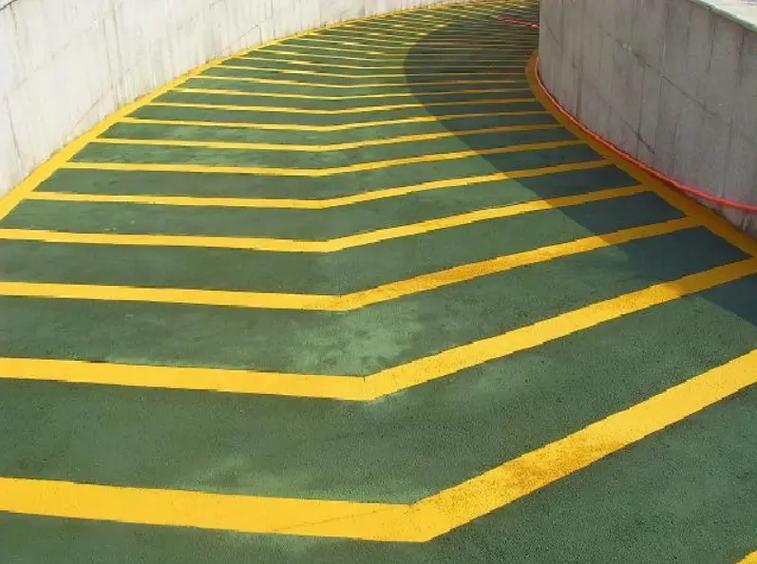
Colored anti-slip ramps are high-friction pavement systems applied to inclined surfaces, intersections, parking entrances, bicycle lanes, pedestrian crossings, bridge approaches, and other traffic transition areas. The surface is designed to increase skid resistance while reducing vehicle vibration and improving visual awareness.
Common materials include:
Colored ceramic aggregates
MMA resin systems
Water-based SP anti-slip coatings
Epoxy or polyurethane binders
High-friction mineral aggregates
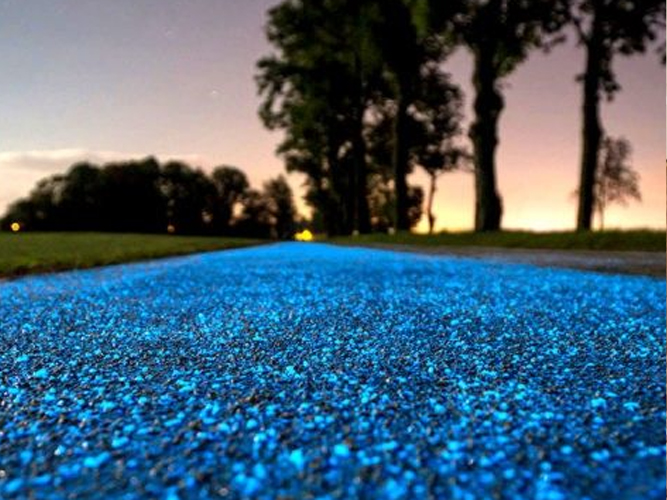
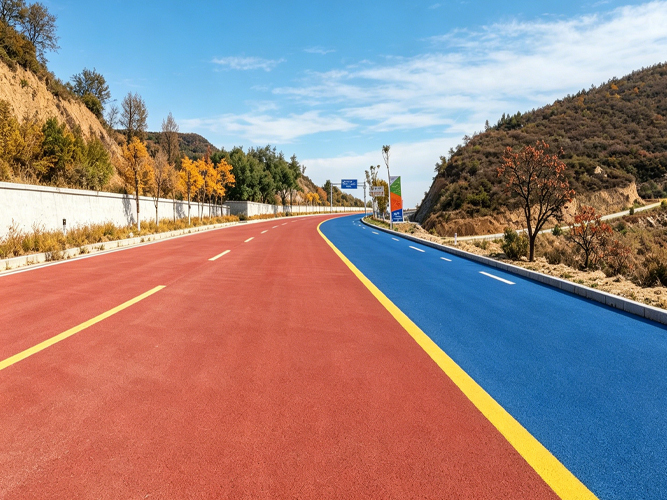
These systems are available in multiple colors such as red, green, blue, yellow, and gray to help organize traffic flow and improve road visibility.
The textured high-friction surface significantly improves tire grip during braking, turning, and wet weather conditions. This helps reduce skidding accidents on steep ramps and busy urban roads.
Bright colored pavement provides clear visual separation for drivers, cyclists, and pedestrians. Smart cities often use colored surfacing to identify bike lanes, bus lanes, school zones, and pedestrian priority areas.
Modern anti-slip ramp systems are engineered to minimize vibration and impact noise, creating a smoother driving experience while reducing stress on vehicles and surrounding structures.
High-quality resin binders and ceramic aggregates provide strong wear resistance under heavy traffic conditions. Properly installed systems maintain color stability and skid resistance for many years.
Many MMA and waterborne systems offer rapid curing times, allowing roads to reopen quickly and minimizing traffic disruption during construction.
Colored anti-slip ramps are widely used in modern infrastructure projects, including:
Urban intersections
Parking garage entrances and exits
Bicycle lanes
Bus rapid transit systems
Pedestrian crossings
Bridge deck ramps
School safety zones
Industrial parks
Commercial complexes
Public transportation hubs
By integrating functional pavement technology with visual traffic management, cities can improve both transportation efficiency and public safety.
Smart city planning focuses on sustainability, intelligent traffic management, and people-centered design. Colored anti-slip pavement supports these goals by enhancing road visibility, improving accessibility, and reducing accident risks without requiring complex infrastructure upgrades.
In addition, environmentally friendly water-based systems and durable resin technologies help reduce maintenance frequency and lifecycle costs, making them a cost-effective solution for long-term urban development.
As cities continue investing in intelligent transportation systems, the demand for advanced anti-slip pavement solutions is expected to grow. Future developments may include:
Eco-friendly low-VOC materials
Solar reflective colored coatings
Smart traffic guidance markings
Longer-lasting high-friction aggregates
Faster-curing resin technologies
These innovations will further improve safety, durability, and sustainability in urban transportation environments.
Colored anti-slip ramp solutions play a critical role in modern smart city infrastructure. By combining safety, durability, visual guidance, and efficient maintenance, these high-friction pavement systems help create safer and more organized urban roads for everyone.
As transportation demands continue to increase, durable and vibration-free anti-slip ramp technology will remain an essential part of future-ready city development.