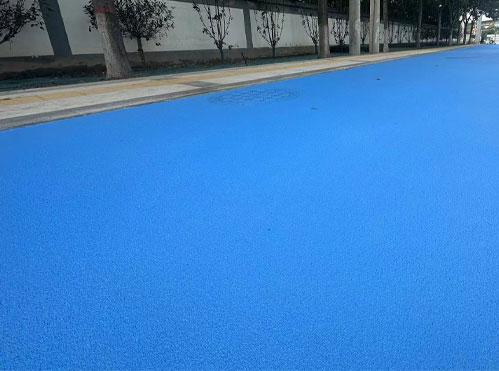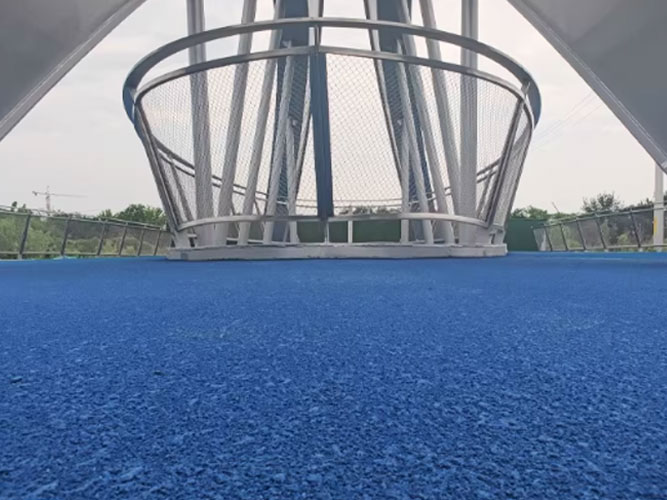
Indonesia is experiencing rapid urban growth, increasing transportation demand, and continuous infrastructure development. With more vehicles, motorcycles, and pedestrians sharing urban roads, improving road safety has become a key challenge for cities and infrastructure planners. Anti-slip road surface solutions provide an effective way to enhance pavement performance, reduce accident risks, and support safer urban transportation systems.
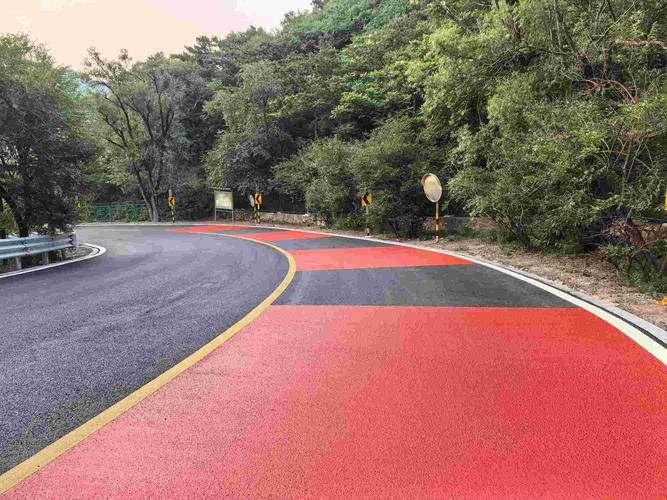
Indonesia’s tropical climate creates unique challenges for road construction. Heavy rainfall, high humidity, strong sunlight, and frequent traffic loads can reduce road surface performance over time. Wet roads can significantly decrease friction between vehicle tires and pavement, increasing the risk of skidding and traffic accidents.
Anti-slip road surface systems are designed to improve surface grip and maintain reliable friction performance under different weather conditions. By applying high-performance pavement materials with durable aggregates and advanced binders, these systems create a safer driving environment for vehicles and pedestrians.
Anti-slip pavement solutions help improve safety in many critical areas, including:
Intersections are areas with frequent braking, acceleration, and turning movements. Anti-slip surfaces provide additional traction, helping vehicles maintain control and improving traffic safety.
Motorcycles are widely used throughout Indonesia, making safe road surfaces especially important. Colored anti-slip pavement can clearly define motorcycle lanes, bicycle paths, and shared transportation areas while improving visibility.
As Indonesian cities develop public transportation systems, dedicated bus lanes and transit corridors require durable pavement solutions. Anti-slip surfaces help buses operate safely during frequent stops and wet conditions.
Shopping centers, industrial areas, and commercial developments require surfaces that provide both safety and attractive appearance. Colored anti-slip pavement improves pedestrian movement while creating organized traffic areas.
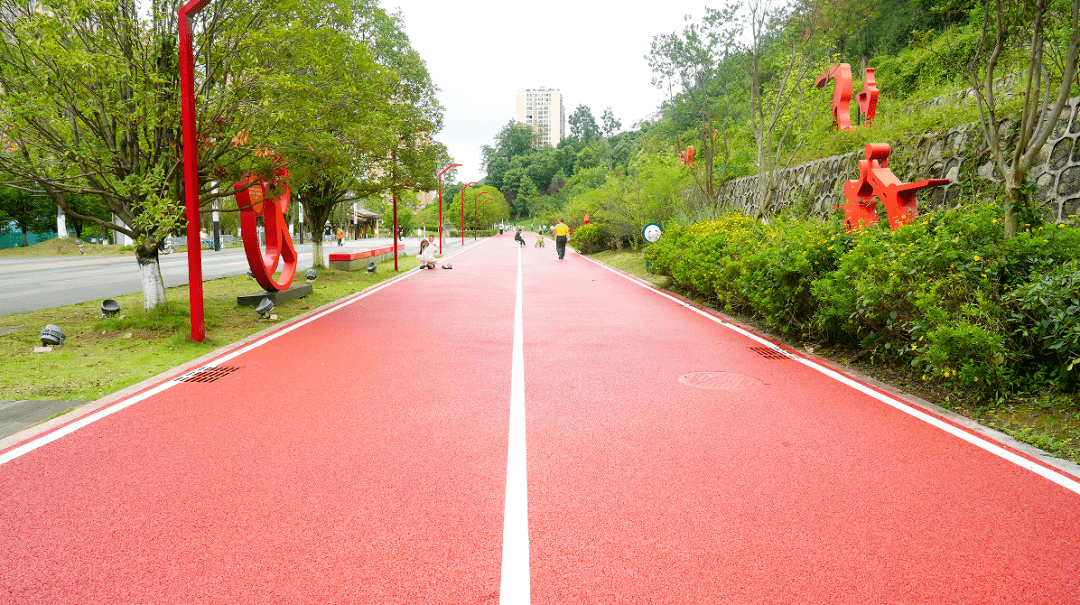
High-quality anti-slip pavement materials create a textured surface that increases tire grip. This helps reduce braking distances and improves vehicle stability, especially during rainy weather.
Indonesia’s climate requires pavement materials that can withstand heat, rain, and humidity. Advanced anti-slip systems offer strong durability, UV resistance, and long-term performance in outdoor environments.
Colored anti-slip pavement allows different road areas to be easily identified. Colors such as red, green, and blue can highlight safety zones, bicycle lanes, pedestrian areas, and traffic management sections.
Durable pavement systems reduce frequent maintenance and repair requirements. By extending pavement service life, they help infrastructure owners reduce long-term project costs.
Modern anti-slip road surface technologies also support sustainable infrastructure development. Water-based pavement systems provide lower environmental impact compared with traditional solvent-based products. These solutions offer strong adhesion, low emissions, and reliable performance for urban construction projects.
For Indonesian cities focusing on smart transportation and green infrastructure, anti-slip pavement provides a practical solution that combines safety, sustainability, and modern urban design.
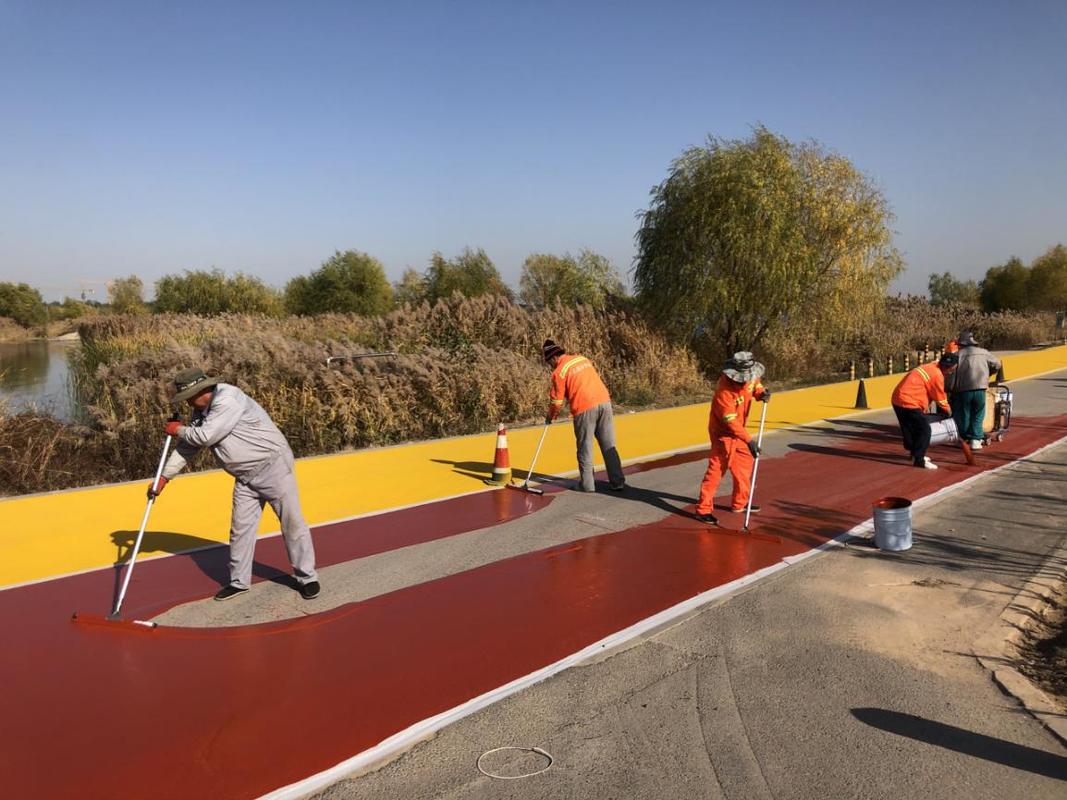
For road contractors, government projects, and infrastructure developers in Indonesia, selecting a reliable pavement material supplier is essential. Important factors include:
Surface friction performance
Climate adaptability
Material durability
Installation requirements
Long-term maintenance needs
Customized color and design options
Professional manufacturers can provide complete pavement solutions for different applications, including urban roads, highways, parking areas, bridges, and public spaces.
Anti-slip road surface solutions are becoming an important part of Indonesia’s urban infrastructure development. By improving skid resistance, enhancing visibility, and providing long-lasting performance, these advanced pavement systems help create safer and more efficient transportation environments.
As Indonesia continues to invest in modern cities and transportation networks, durable anti-slip pavement technology will play an important role in building safer roads and supporting sustainable urban growth.