Modern cities are facing increasing challenges related to traffic safety, sustainable infrastructure, and efficient urban transportation. As urban populations continue to grow, traditional black asphalt roads are no longer sufficient for meeting the demands of smart city development. Colored asphalt has emerged as an innovative solution that improves road safety, traffic organization, and urban aesthetics while supporting sustainable transportation systems.
Today, colored asphalt is widely used in bike lanes, pedestrian crossings, bus lanes, parking areas, and public spaces across cities around the world.
Colored asphalt is a specially engineered pavement material produced by combining pigments, colored aggregates, resin binders, or modified asphalt mixtures to create highly visible road surfaces. Unlike conventional asphalt, colored pavement systems provide clear visual guidance for both drivers and pedestrians.
Common types of colored asphalt include:
MMA colored asphalt
Waterborne SP colored pavement
Colored anti-skid surfacing
High friction colored coatings
Colored micro surfacing systems
These systems are designed to offer durability, skid resistance, weather stability, and long-lasting color performance.
One of the main reasons colored asphalt is becoming essential for modern cities is its ability to improve road safety.
Brightly colored road surfaces help drivers quickly recognize specific traffic zones, reducing confusion and improving reaction times. Colored asphalt is commonly applied in:
Bicycle lanes
Pedestrian crossings
School zones
Bus rapid transit lanes
Intersections and sharp curves
High-friction colored surfaces also increase tire grip and reduce braking distance, especially during wet weather conditions.
Modern cities require more efficient traffic management systems. Colored asphalt helps separate different transportation functions and improves traffic flow by creating clearly defined lanes and zones.
Different colors are often used for different applications:
Green for bike lanes
Red for bus lanes
Blue for parking zones
Yellow for warning areas
This visual guidance helps reduce traffic conflicts and improves the overall driving experience.
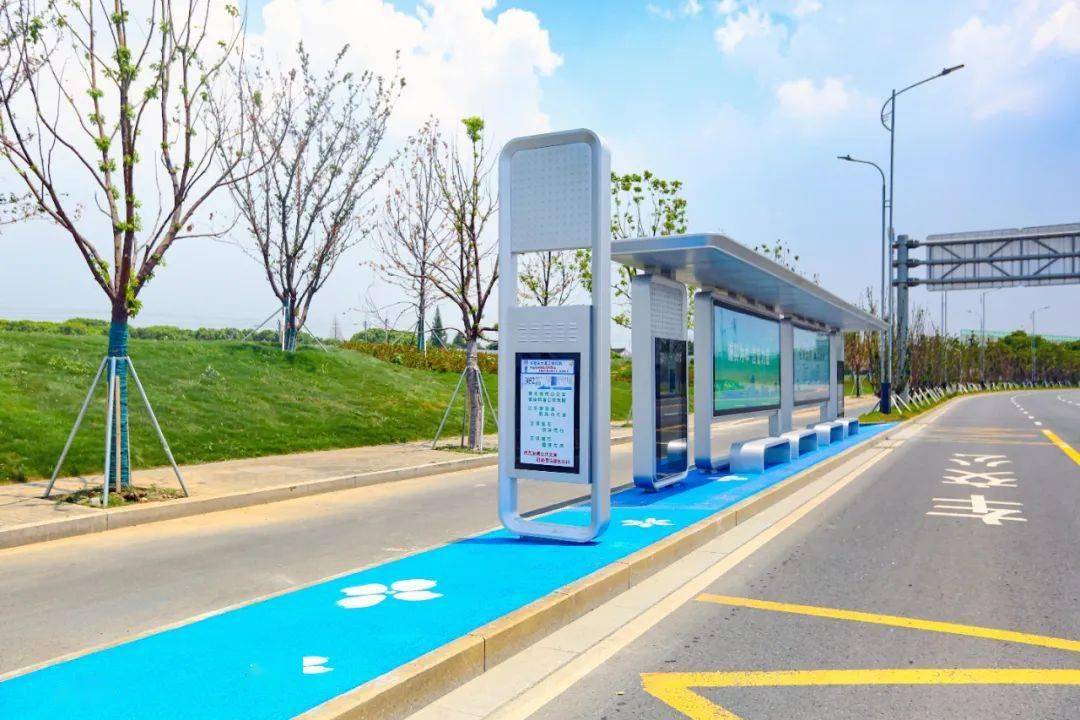
Sustainability has become a major priority in urban infrastructure projects. Many modern colored asphalt systems are developed using environmentally friendly materials with low VOC emissions and recyclable components.
Water-based colored pavement technologies are increasingly popular because they offer:
Reduced environmental impact
Lower emissions
Energy-efficient construction
Longer pavement life cycles
Colored asphalt also contributes to smarter and more sustainable transportation networks by encouraging cycling and pedestrian mobility.
In addition to functional benefits, colored asphalt improves the visual appearance of urban environments. Decorative pavement systems create cleaner, more organized public spaces and help cities establish modern urban identities.
Architects and city planners often use colored pavement in:
Public squares
Parks and pathways
Commercial districts
Tourism areas
Waterfront developments
The combination of functionality and design makes colored asphalt an attractive solution for modern infrastructure projects.
Advanced colored asphalt systems are engineered to withstand heavy traffic loads, UV exposure, and harsh weather conditions. Modern technologies such as MMA resin surfacing and colored ceramic aggregates provide excellent wear resistance and long-term color stability.
High-performance colored asphalt offers:
Strong adhesion
Fast curing times
Excellent anti-skid performance
Resistance to fading and abrasion
Low maintenance requirements
These advantages help reduce long-term maintenance costs for municipalities and contractors.
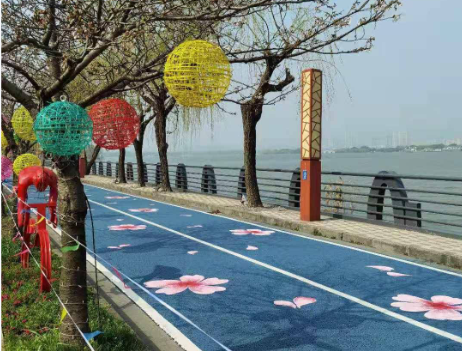
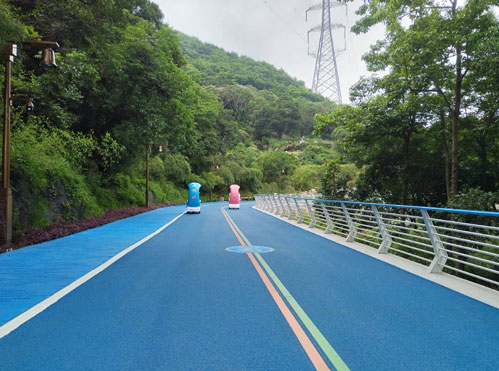
Colored bike lanes improve cyclist visibility and encourage safer urban cycling systems.
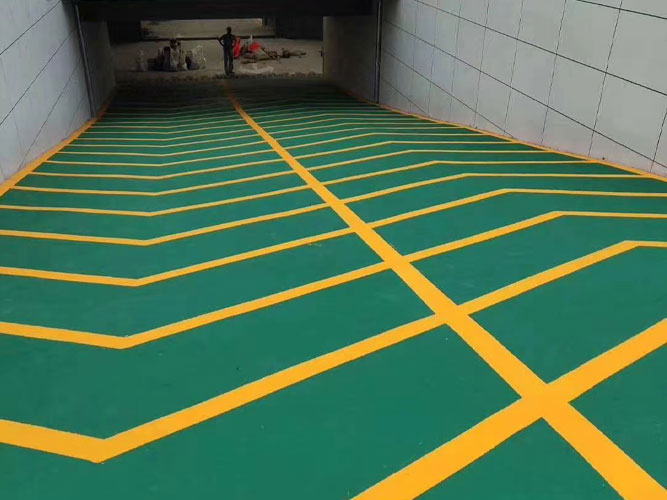
Anti-slip colored pavement increases pedestrian safety in crowded urban areas and transportation hubs.
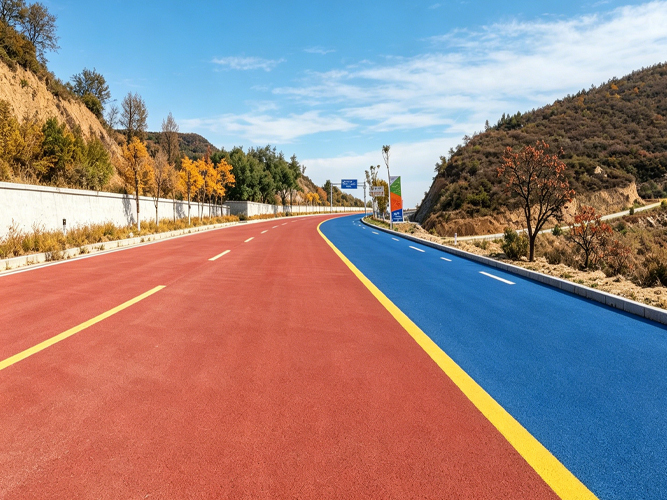
Dedicated bus lanes with colored asphalt improve traffic efficiency and lane recognition.
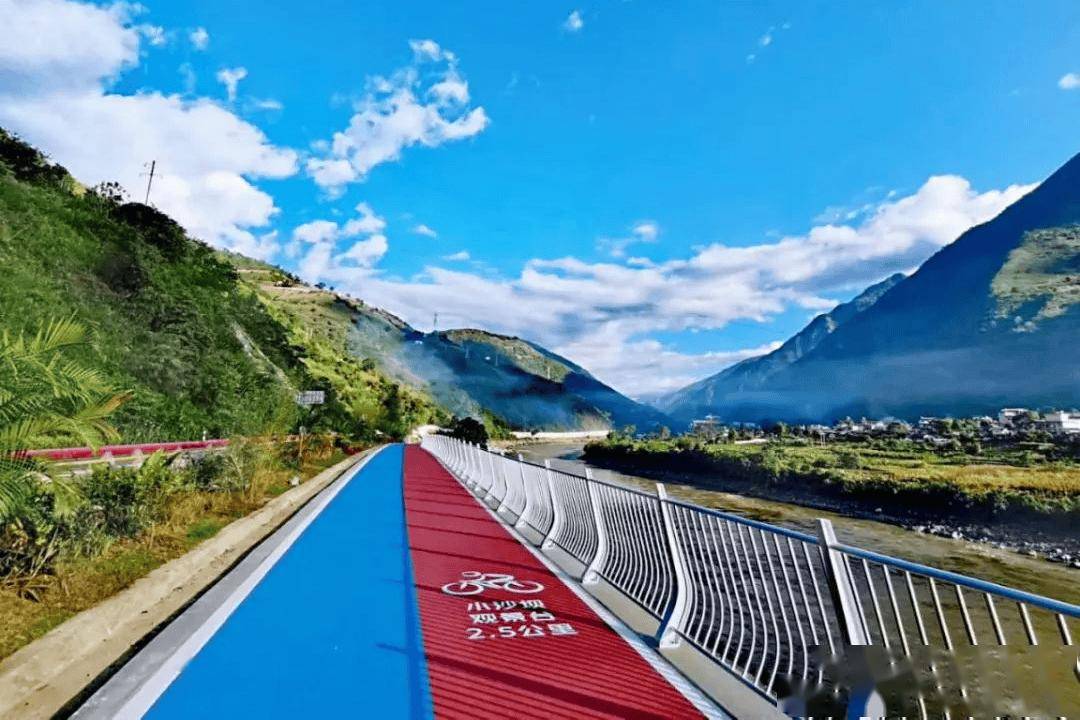
Decorative colored pavement enhances the appearance and functionality of commercial infrastructure.
As cities continue investing in smart transportation systems and sustainable infrastructure, colored asphalt is expected to play an even greater role in urban road construction.
Future trends include:
Eco-friendly pavement materials
Smart traffic guidance integration
Enhanced skid-resistant technologies
Longer-lasting color performance
Low-maintenance road surfacing systems
Colored asphalt is no longer simply a decorative pavement option. It has become an essential part of modern city planning, helping create safer, smarter, and more sustainable urban transportation networks.