Anti-slip road coating provides significant benefits for high-traffic areas such as highways, intersections, urban streets, bridges, tunnels, bus stations, parking ramps, and pedestrian crossings. These locations experience frequent braking, turning, and heavy vehicle loads, making road surface safety a critical concern.
One of the primary benefits is improved skid resistance. Anti-slip coatings are made with high-friction aggregates like ceramic particles, quartz sand, or calcined bauxite combined with durable resin binders such as MMA, epoxy, or polyurethane. This creates a textured surface that increases tire grip, reduces braking distance, and helps prevent skidding, especially in wet or rainy conditions. As a result, overall traffic safety is significantly enhanced.
Another key advantage is better vehicle control in demanding driving conditions. In high-traffic zones, sudden stops and constant vehicle movement are common. Anti-slip coatings help maintain stable tire contact with the road, reducing the risk of accidents caused by hydroplaning, sharp turns, or emergency braking. This is especially important in areas such as highway ramps, curves, and urban intersections.
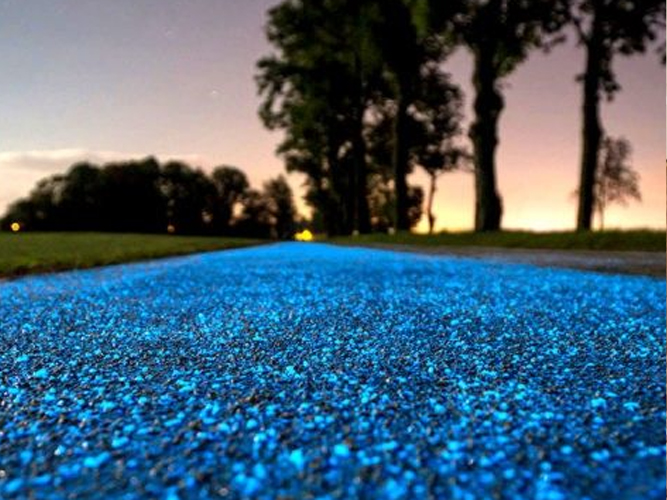
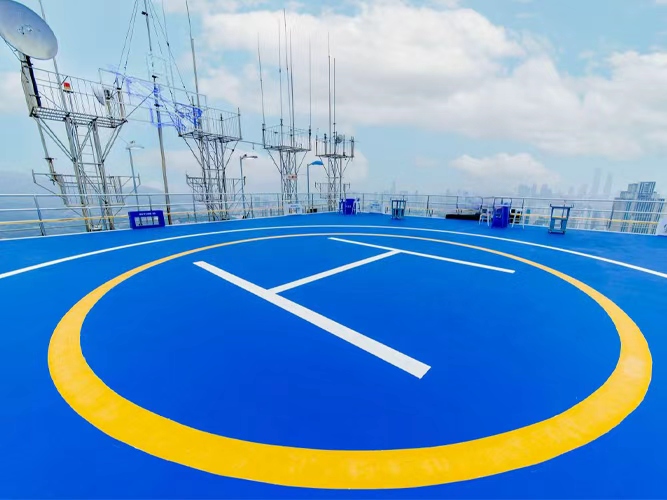
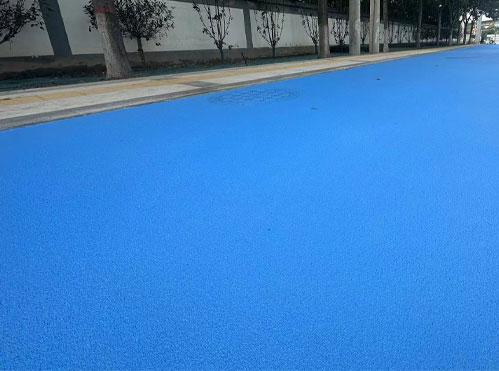
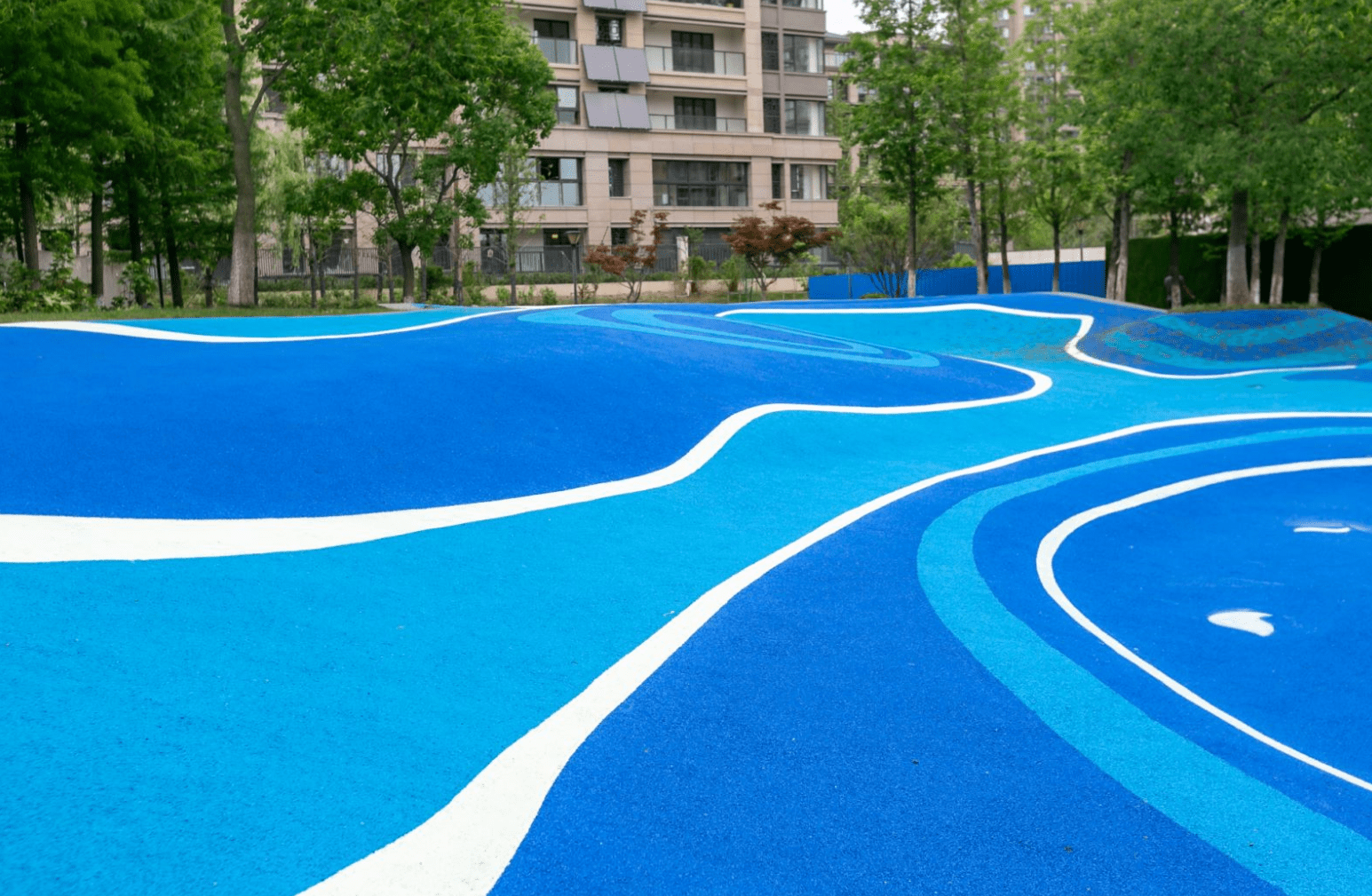
Anti-slip road coatings also improve traffic visibility and organization. Many systems include colored surfaces such as red, green, blue, or yellow to clearly define different traffic zones. This helps drivers quickly identify bicycle lanes, bus lanes, pedestrian crossings, or warning areas, improving road awareness and reducing confusion in busy environments.
In addition, these coatings offer strong durability and long service life. They are resistant to abrasion, UV exposure, weather changes, and heavy traffic loads. Many systems can be applied directly over existing asphalt or concrete surfaces, making installation efficient and cost-effective with minimal traffic disruption.
Overall, anti-slip road coating is an effective solution for high-traffic areas, combining safety, durability, and visibility. It helps reduce accidents, improve traffic flow, and extend pavement life, making it an essential material in modern road engineering and urban infrastructure development.