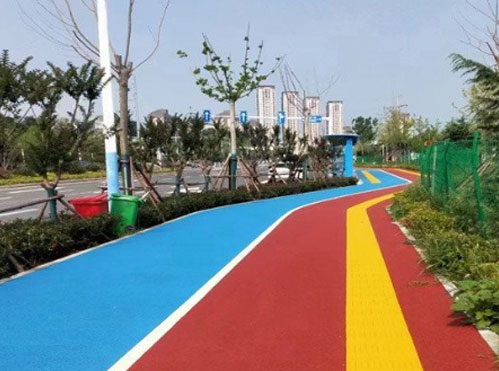
Selecting the right colored pavement is essential for achieving the best balance of safety, durability, appearance, and cost. With various materials and construction methods available, understanding your project's requirements can help you make the right decision.
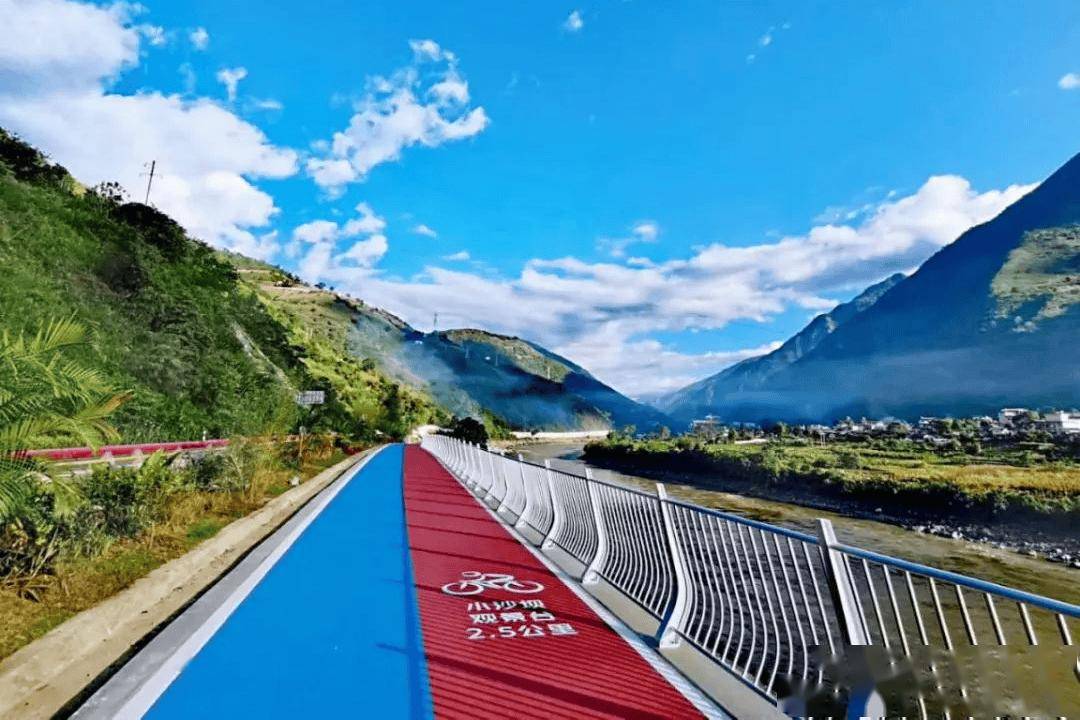
The first step is determining how the colored pavement will be used. Different applications require different performance characteristics.
Common applications include:
Bicycle lanes
Pedestrian crossings
Bus lanes
School zones
Parking lots
Scenic roads
Industrial parks
Residential communities
For high-risk traffic areas, safety and skid resistance should be the top priorities.
Traffic conditions significantly influence material selection.
Suitable for:
Parks
Sidewalks
Pedestrian plazas
Residential pathways
Decorative colored coatings and thin-layer systems may be sufficient.
Suitable for:
Urban roads
Highways
Bus lanes
Industrial zones
High-performance resin systems and colored anti-slip surfaces with durable aggregates are recommended to withstand continuous vehicle loads.
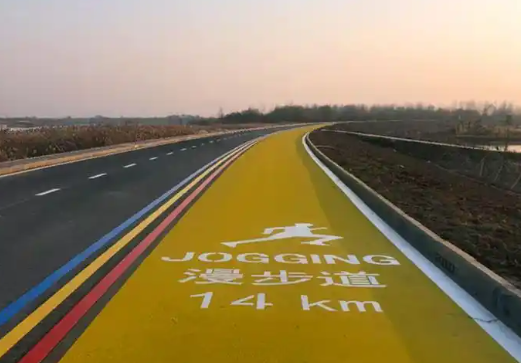
Road safety is a critical factor when choosing colored pavement.
High-friction colored pavement is ideal for:
Intersections
Sharp curves
Roundabouts
Steep ramps
Bridge approaches
Accident-prone areas
Using ceramic aggregates or other wear-resistant anti-slip materials can significantly improve vehicle grip and braking performance.
Different colors serve different functions in traffic management.
Commonly used for:
Bus lanes
Hazard zones
Traffic-calming areas
Frequently used for:
Bicycle lanes
Environmental and recreational pathways
Often used for:
Parking zones
Special-purpose lanes
Suitable for:
Warning areas
School zones
Safety markings
Color selection should comply with local traffic regulations and project requirements.
A high-quality colored pavement system should provide long-term performance with minimal maintenance.
Look for materials that offer:
UV resistance
Weather resistance
Abrasion resistance
Strong adhesion
Long-lasting color retention
Investing in durable materials can reduce lifecycle costs and extend service life.
Environmental conditions play a major role in pavement performance.
Important factors include:
High temperatures
Heavy rainfall
Freeze-thaw cycles
Strong UV exposure
Humidity levels
Choose materials specifically designed for local climate conditions to ensure long-term durability.
Several colored pavement technologies are available, including:
Integrated color throughout the pavement
Suitable for large-scale projects
Excellent durability
Fast installation
Cost-effective
Ideal for retrofitting existing pavements
Superior skid resistance
Excellent color retention
Widely used in safety-critical areas
Each system offers different advantages depending on project goals and budget.
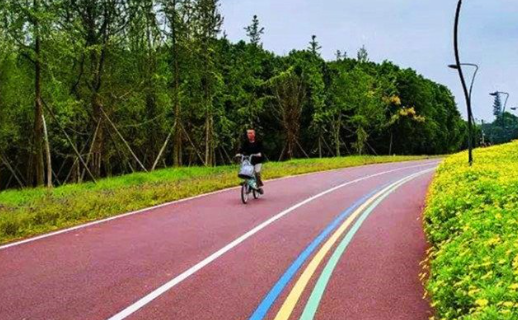
While initial cost is important, long-term value should also be considered.
Factors affecting total cost include:
Material quality
Installation complexity
Maintenance frequency
Service life
Safety performance
A slightly higher upfront investment often results in lower maintenance costs and better long-term performance.
Choosing a reliable manufacturer or supplier is essential for project success. An experienced supplier can provide:
Technical support
Material recommendations
Installation guidance
Quality assurance
Customized color solutions
Professional expertise helps ensure that the colored pavement meets both safety and durability requirements.
The right colored pavement depends on your project's traffic conditions, safety objectives, climate, budget, and design goals. By carefully evaluating material performance, skid resistance, durability, and installation methods, you can select a solution that delivers long-lasting value. Whether for bicycle lanes, urban roads, pedestrian crossings, or industrial facilities, a well-chosen colored pavement system can improve safety, enhance appearance, and support more efficient transportation infrastructure.