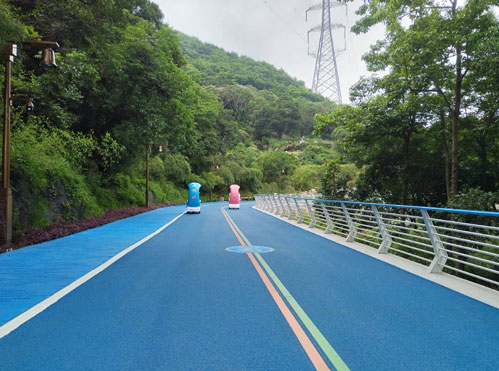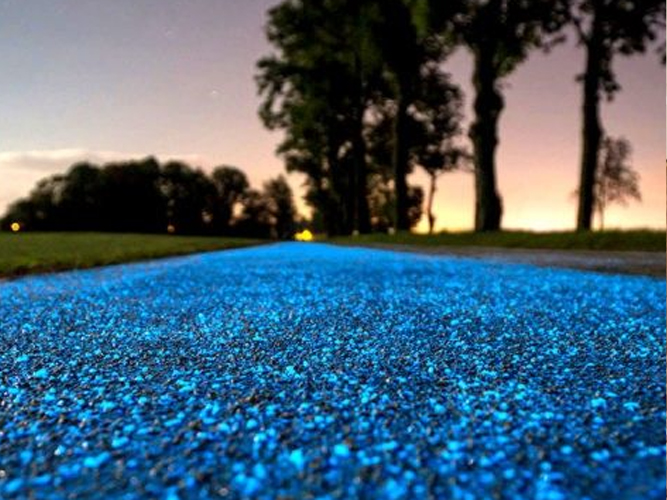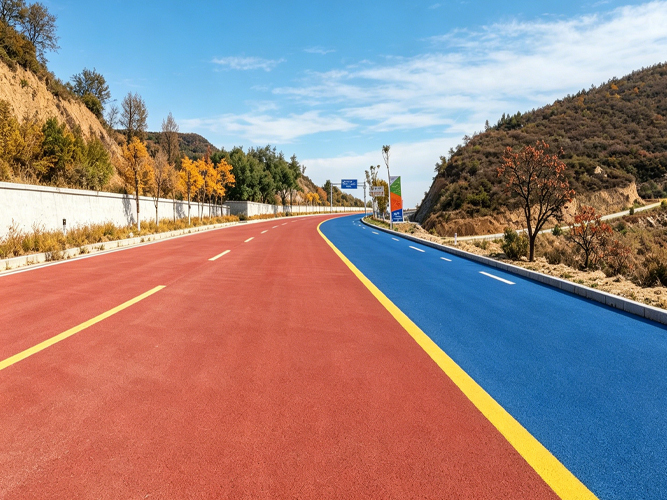
Anti-slip road coatings have become an essential part of modern road construction and maintenance because they directly improve one of the most critical aspects of transportation safety: surface friction. As cities grow denser and traffic volumes increase, the demand for safer, more durable, and more visible road surfaces continues to rise. Anti-slip coatings address these needs by enhancing grip, improving visibility, and extending pavement performance under heavy use and harsh weather conditions.
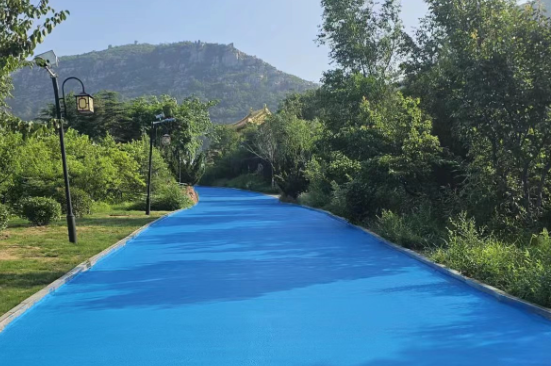
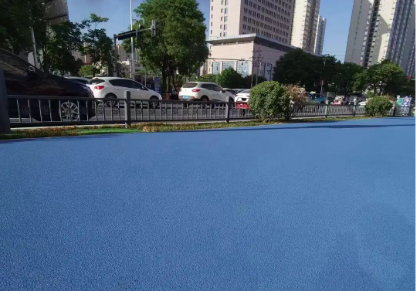
One of the primary reasons these coatings are so important is their ability to significantly reduce accidents caused by skidding. In wet conditions, traditional asphalt and concrete surfaces can become dangerously smooth, especially at intersections, pedestrian crossings, ramps, and sharp curves. Anti-slip coatings introduce high-friction aggregates or textured resin layers that increase tire and shoe grip, helping vehicles brake more effectively and pedestrians walk more safely.
Weather resistance is another key advantage. In regions with frequent rain, humidity, or temperature fluctuations, road surfaces can deteriorate quickly. Anti-slip coatings are designed to maintain their texture and performance even under these challenging conditions. Many modern systems use advanced polymer or resin-based materials that bond tightly to the pavement, preventing rapid wear and reducing maintenance frequency.
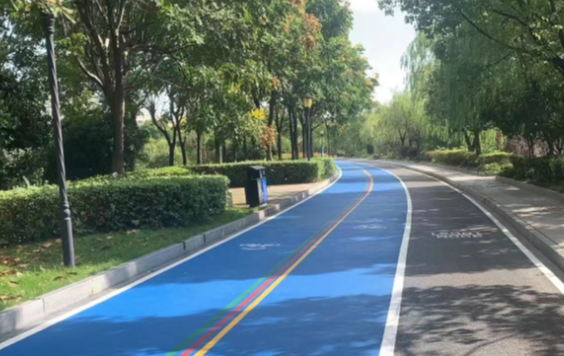
Beyond safety, these coatings also play an important role in traffic management and urban design. Colored anti-slip surfaces are often used to visually highlight bike lanes, bus corridors, pedestrian crossings, and school zones. This improves road clarity for drivers and encourages more organized traffic flow. In urban environments, this visual guidance helps reduce confusion and minimizes conflict between different road users.
Durability and cost-efficiency also make anti-slip coatings attractive to municipalities and contractors. While the initial application may require investment, the extended lifespan of the road surface and reduced need for frequent repairs often result in lower long-term maintenance costs. Fast-curing formulations further minimize traffic disruption during installation, making them suitable for busy urban roads and highways.
Environmental considerations are also increasingly influencing road material choices. Many modern anti-slip coatings are designed with low-VOC or water-based formulations, helping reduce environmental impact while still delivering high performance. This aligns with global trends toward greener infrastructure and sustainable city planning.
In summary, anti-slip road coatings are no longer optional enhancements—they are a core component of modern road safety systems. By improving traction, enhancing visibility, increasing durability, and supporting smarter traffic design, they help create safer and more efficient transportation networks for both vehicles and pedestrians.