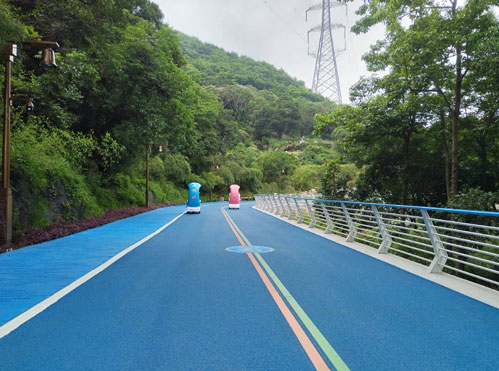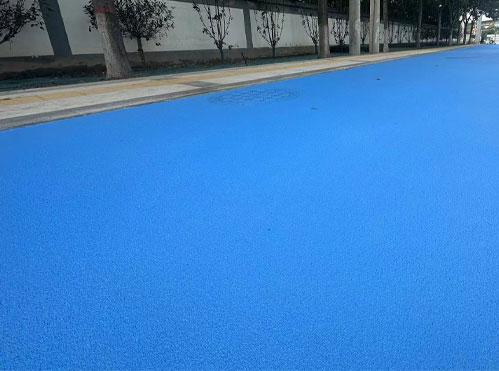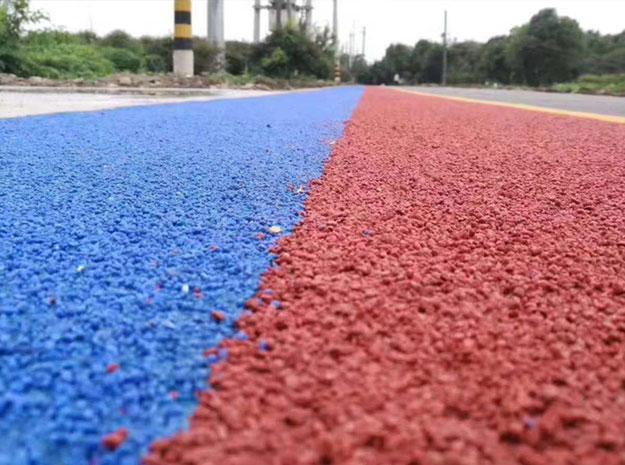
Colored road surfacing is an innovative pavement solution designed to enhance traffic safety, improve road visibility, and support effective traffic management. By combining durable binders, high-friction aggregates, and bright colors, colored road surfaces create safer environments for drivers, cyclists, and pedestrians.
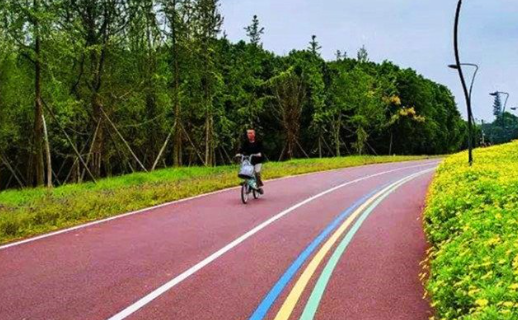
One of the primary safety benefits of colored road surfacing is increased visibility. Distinct colors help clearly identify bicycle lanes, bus lanes, pedestrian crossings, school zones, and other special traffic areas. This visual guidance allows road users to quickly recognize designated zones and respond appropriately, reducing confusion and improving overall road safety.
Colored anti-slip surfacing also provides excellent skid resistance. The high-friction texture improves tire grip and shortens braking distances, particularly during wet weather conditions. As a result, it helps reduce the risk of skidding and accidents at intersections, roundabouts, sharp curves, and other high-risk locations.

In addition to improving safety, colored road surfacing enhances traffic organization. Different colors can be used to separate various traffic functions, making roads easier to navigate and helping maintain smooth traffic flow. This is especially valuable in busy urban areas where multiple transportation modes share limited space.
Modern colored pavement systems are highly durable and resistant to wear, UV exposure, and heavy traffic loads. They maintain their appearance and performance over time, reducing maintenance requirements and extending pavement life.
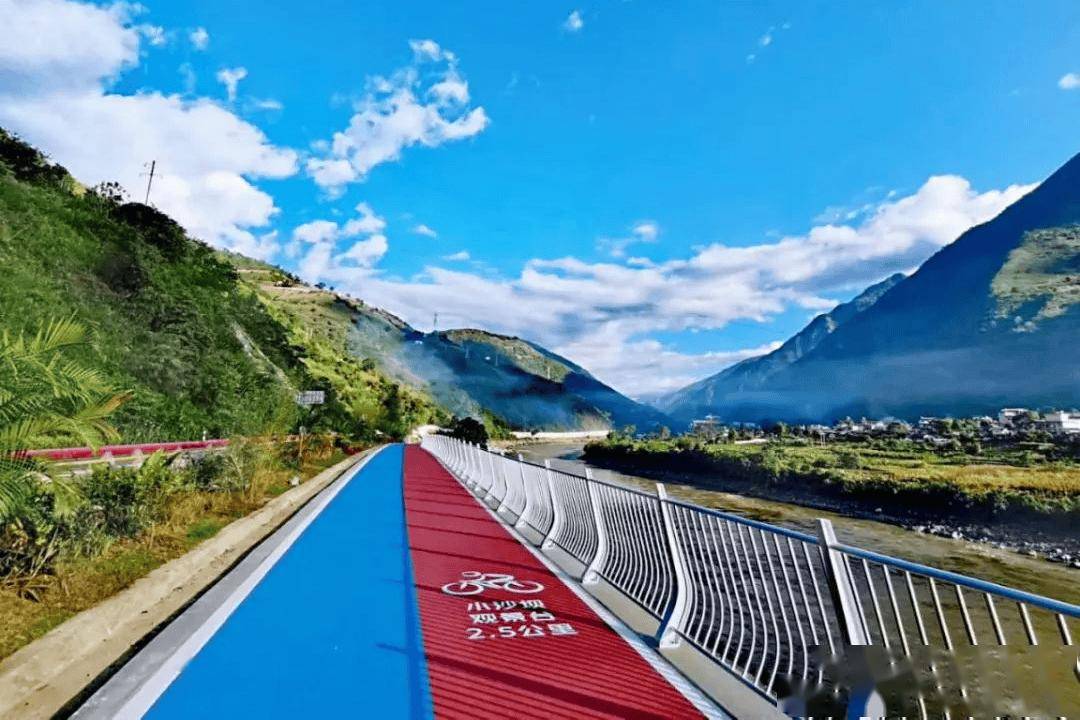
Widely used on roads, highways, bicycle paths, pedestrian walkways, parking facilities, and public spaces, colored road surfacing has become an important tool for modern transportation infrastructure. Its combination of high visibility, skid resistance, durability, and aesthetic appeal makes it an effective solution for improving traffic safety and creating more organized, user-friendly road networks.