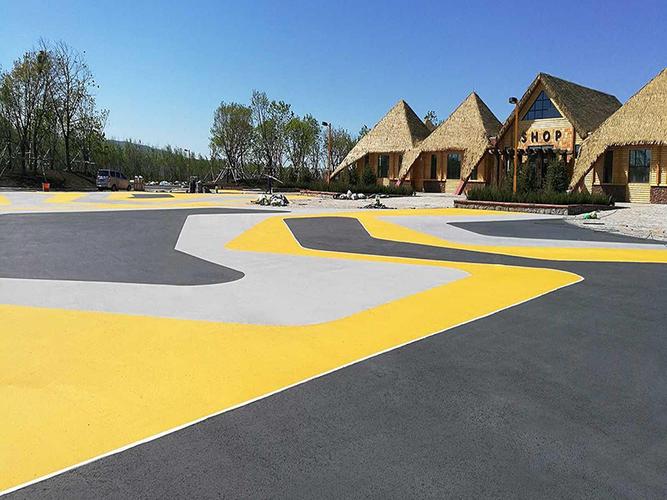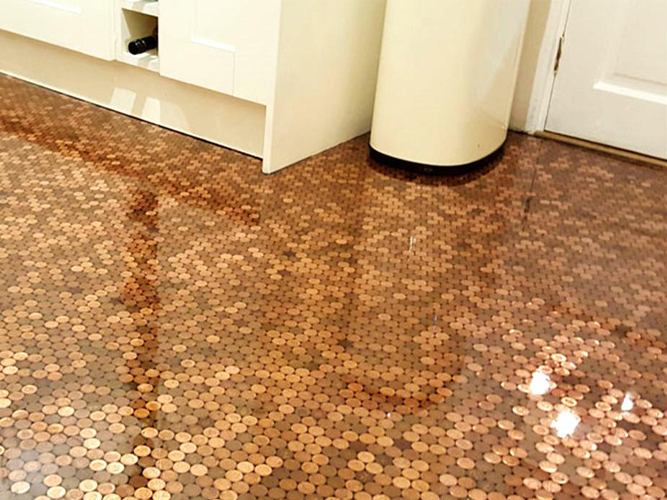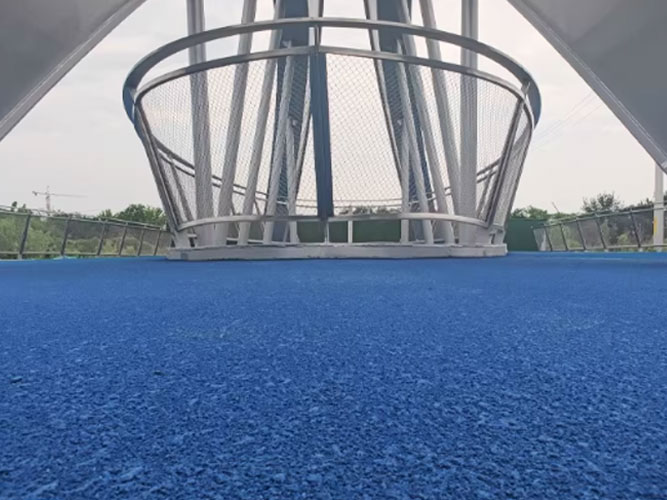
As cities continue to promote sustainable transportation and improve urban mobility, bicycle lanes have become an essential part of modern road infrastructure. Colored pavement materials play a vital role in bicycle lane construction by enhancing visibility, improving safety, and creating a clear separation between cyclists and motor vehicles.
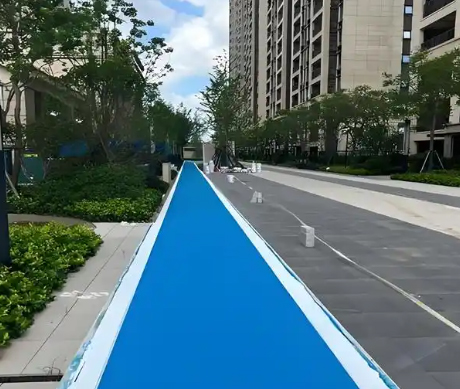
Colored bicycle lanes are designed to help road users quickly identify dedicated cycling areas. Bright colors such as red, green, or blue make bicycle routes highly visible, reducing conflicts between vehicles, cyclists, and pedestrians. This improved visibility helps increase road safety and encourages more people to choose cycling as an environmentally friendly mode of transportation.
The materials used for bicycle lane construction must provide both durability and skid resistance. Modern colored pavement systems are typically manufactured using high-performance resin binders, durable pigments, and anti-skid aggregates. These components work together to create a long-lasting surface that can withstand daily traffic, weather exposure, and ultraviolet radiation while maintaining its appearance and performance.
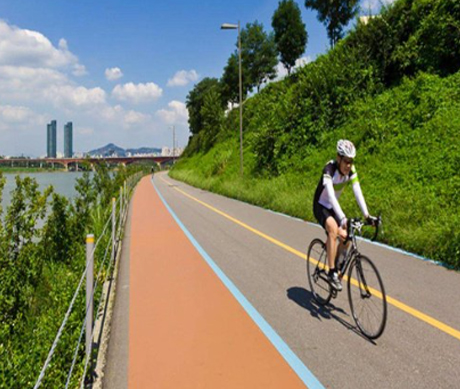
MMA (Methyl Methacrylate) colored pavement materials are among the most popular solutions for bicycle lane projects. They offer rapid curing, excellent adhesion, strong wear resistance, and long-term color stability. These advantages allow roads to reopen quickly after installation and reduce maintenance requirements over time.
Colored emulsified micro-surfacing is another effective option for bicycle lane construction. This cost-effective technology improves pavement appearance while extending the life of existing asphalt surfaces. It provides good skid resistance, uniform color distribution, and excellent durability, making it suitable for large-scale municipal projects.
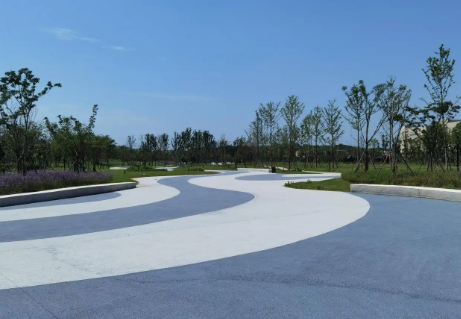
Anti-skid performance is particularly important for bicycle lanes. High-friction aggregates such as ceramic particles or specially selected mineral materials are often incorporated into the pavement surface to improve traction. This helps cyclists maintain control during wet weather conditions and reduces the risk of accidents.
In addition to safety benefits, colored pavement materials contribute to urban aesthetics. Well-designed bicycle lanes create a cleaner and more organized streetscape while supporting sustainable transportation initiatives. They also help cities establish recognizable cycling networks that improve wayfinding and encourage active mobility.
As demand for cycling infrastructure continues to grow worldwide, high-quality colored pavement materials have become an important component of bicycle lane construction. By combining visibility, durability, skid resistance, and aesthetic appeal, these advanced pavement solutions help create safer and more attractive cycling environments for communities and cities alike.