Why Cities Are Going Colorful: The Boom in Colored Road Surfaces
Across the world, cities are rapidly shifting from traditional gray asphalt to colored road surfaces. This trend is not just about visual appeal—it reflects a broader transformation in urban planning, road safety strategy, and smart transportation systems.
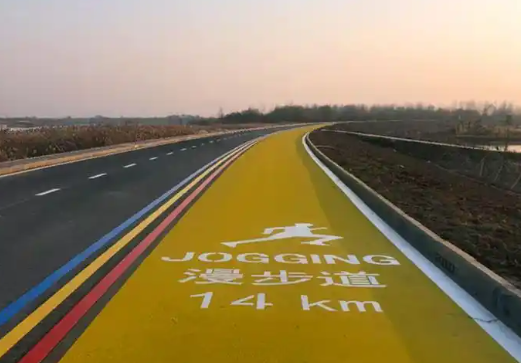
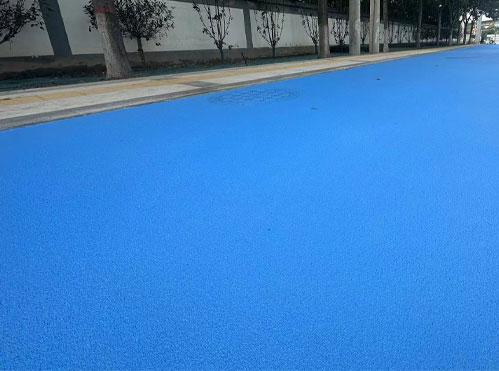
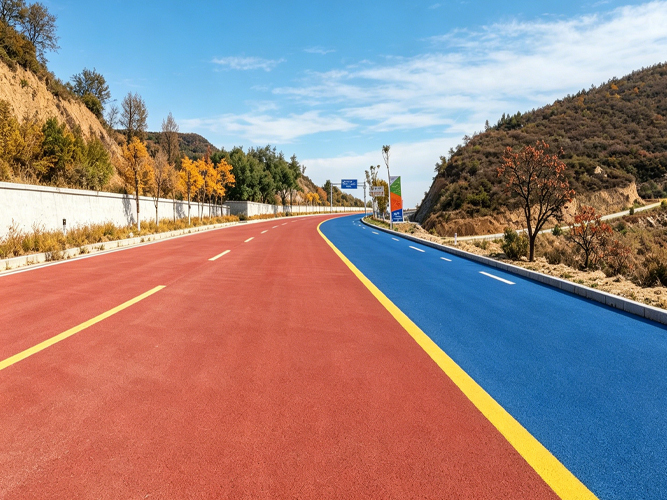
One of the main drivers of this boom is traffic safety. As urban traffic becomes more complex, cities need clearer ways to separate road users such as cars, cyclists, and pedestrians. Colored pavement provides immediate visual distinction. For example, red bus lanes, green bike lanes, and brightly marked pedestrian crossings help drivers recognize zones instantly, reducing confusion and lowering accident risks. In many cases, colored high-friction surfaces also improve braking performance, making intersections and ramps safer.
Another important factor is the rise of cycling and pedestrian-friendly infrastructure. Many cities are actively encouraging sustainable transport to reduce congestion and carbon emissions. Colored bike lanes and walkways make non-motorized transport safer and more attractive, encouraging more people to walk or cycle instead of driving.
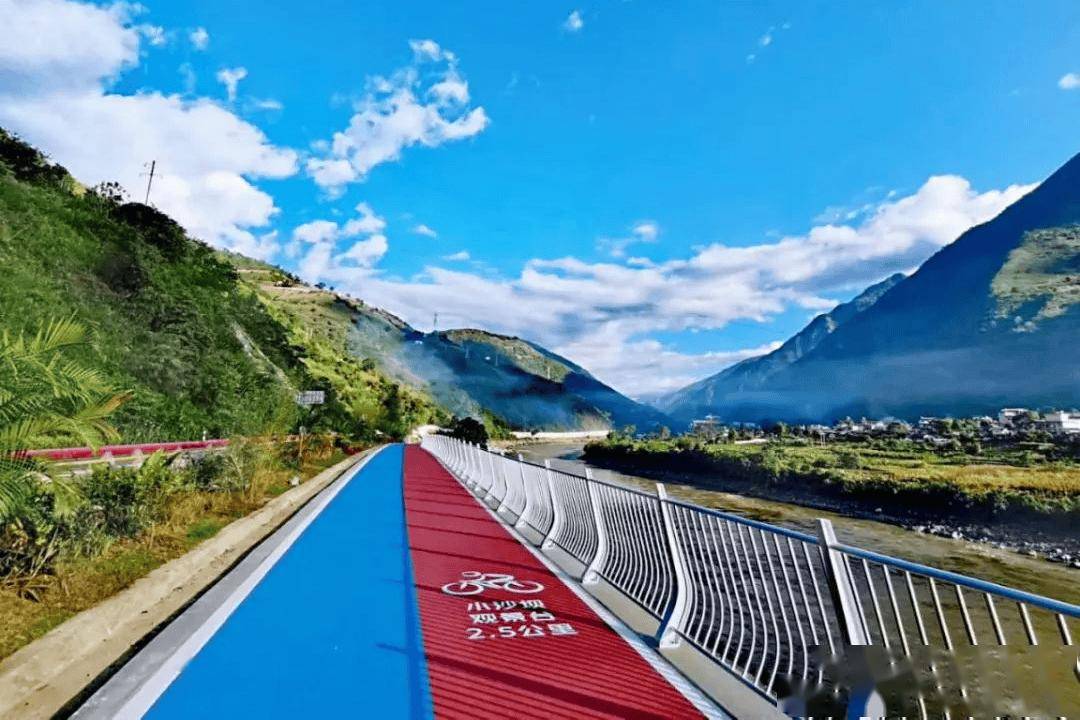
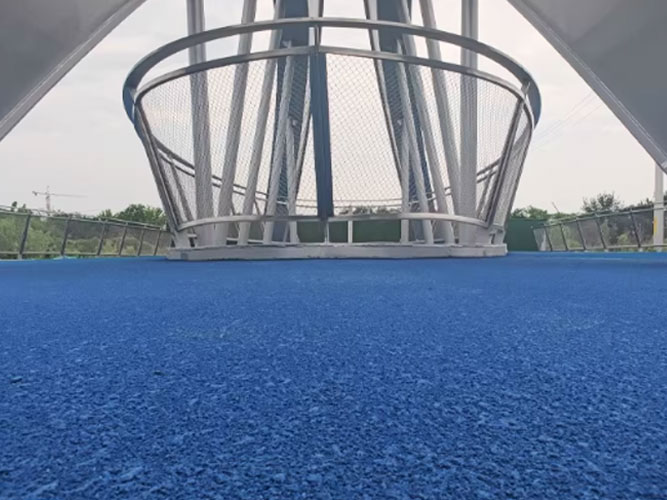
Technology advancements have also played a key role in this boom. Modern materials such as MMA resin systems, polymer-modified coatings, and colored micro-surfacing technologies offer strong durability, UV resistance, and long service life. These improvements mean colored roads can now withstand heavy traffic and harsh weather without fading or losing friction performance.
Urban design and city branding are additional motivations. Cities are increasingly viewing roads as part of their identity and public space design. Colored pavements help create visually appealing streets, improve wayfinding, and enhance the overall city experience for residents and visitors. In commercial districts, parks, and tourist areas, colorful surfaces contribute to a more modern and welcoming atmosphere.
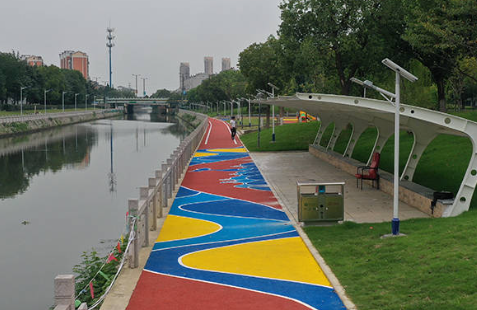
Cost efficiency over time is another advantage. Although initial installation may be higher than conventional asphalt marking, colored pavement often reduces long-term maintenance needs due to its durability and integrated surface structure.
In summary, the rise of colored road surfaces reflects a combination of safety needs, environmental goals, technological progress, and urban design innovation. Cities are going colorful not just to look better—but to function better, safer, and smarter.