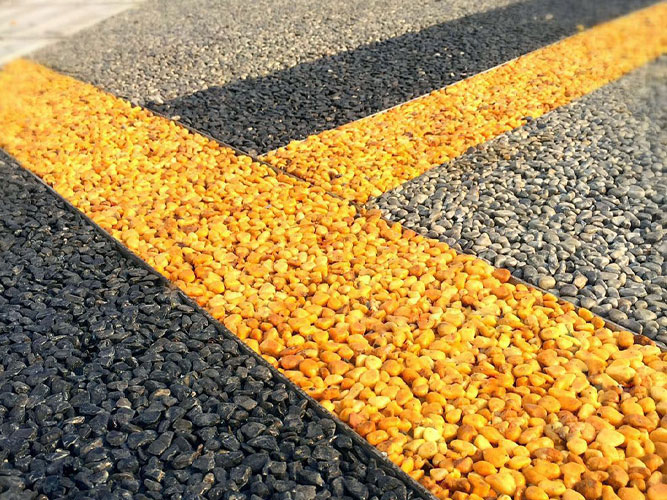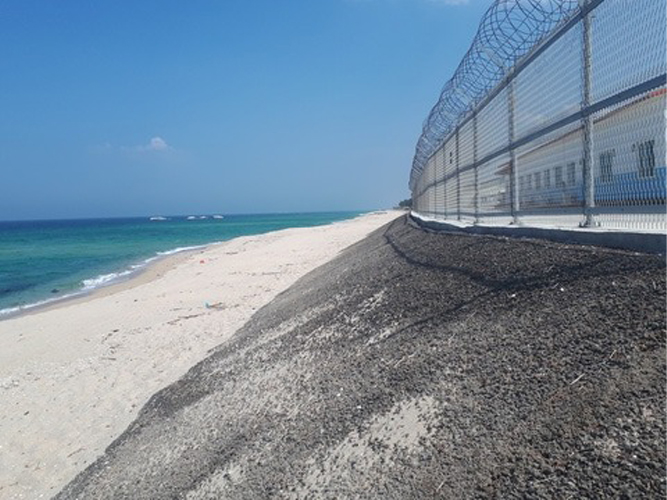
Colored Pavement for Scenic Roads and Tourist Attractions
Scenic roads and tourist attractions place a strong emphasis on visual experience, safety, and environmental harmony. In these environments, colored pavement has become an important material solution that enhances both the functional performance of roads and the overall aesthetic value of tourism destinations.
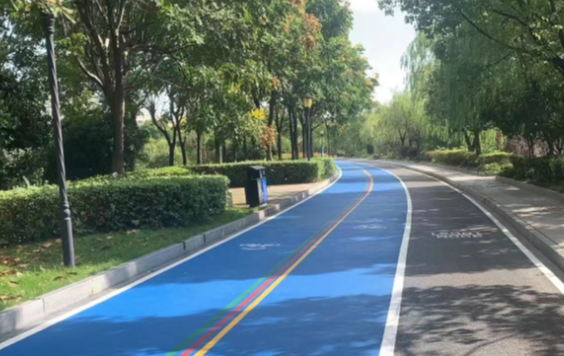
Colored pavement is widely used in scenic driveways, coastal roads, mountain routes, park access roads, cultural heritage paths, viewing platforms, and pedestrian tourist corridors. Unlike conventional gray asphalt, colored surfaces integrate naturally with landscapes while also helping to define routes and guide visitor movement.
One of the key advantages is visual enhancement. Tourist areas rely heavily on first impressions, and colored pavement helps create distinctive road experiences that complement natural or cultural scenery. Earth tones, warm reds, greens, and customized color systems can be selected to match forests, lakes, mountains, or historical architecture, making the road itself part of the attraction.
Safety is another critical function. Scenic roads often feature curves, slopes, and changing weather conditions. Colored pavement improves visibility by clearly marking lanes, edges, pedestrian paths, and viewing areas. This helps reduce driver fatigue and increases awareness in complex road sections, especially in high-tourism seasons with heavy traffic flow.
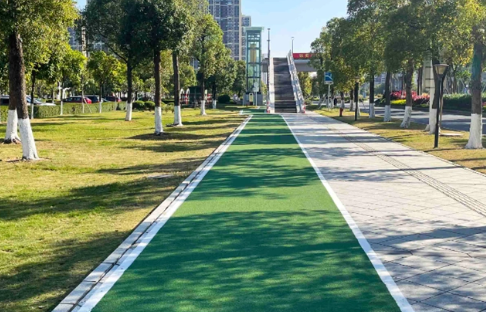
Anti-slip performance is also essential, particularly in rainy or humid tourist regions. Modern colored pavement systems use high-friction aggregates, resin binders, or polymer-modified coatings to ensure stable grip for vehicles and pedestrians. This reduces accident risks in viewing platforms, walking trails, and sloped scenic roads.
Durability plays a major role in tourism infrastructure. Scenic areas are exposed to sunlight, rain, temperature changes, and continuous visitor traffic. Advanced solutions such as MMA resin systems, color emulsified micro-surfacing, and polymer-based coatings provide long-lasting color stability and resistance to fading, ensuring that the visual appeal remains strong over time.
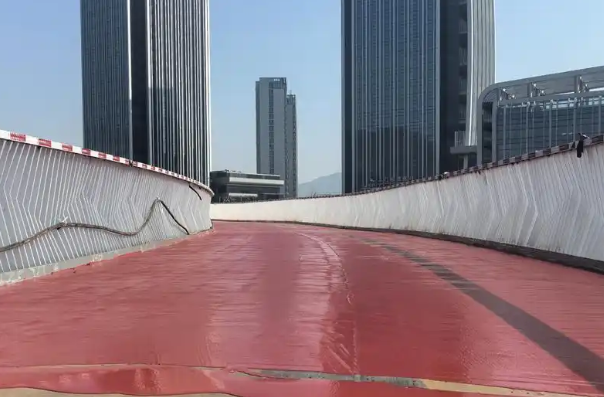
From a tourism development perspective, colored pavement also enhances wayfinding and spatial design. Different colors can guide visitors to attractions, parking areas, rest zones, and viewpoints. It can also be used to create themed routes such as cultural trails, ecological paths, or art-inspired walkways, enriching the overall visitor experience.
In conclusion, colored pavement is more than a road surface material in scenic and tourist areas—it is part of the landscape design itself. It improves safety, strengthens visual identity, and enhances the overall attractiveness of tourism destinations, making them more engaging and memorable for visitors.