What Makes Colored Anti-Skid Road Surfacing So Effective in Wet Conditions?
Wet weather is one of the most dangerous conditions for driving. Rain reduces tire grip, hides road markings, and increases stopping distances—all at the same time. Traditional asphalt struggles in these situations because its surface becomes smoother and more reflective when wet. Colored anti-skid road surfacing solves this problem by attacking wet-weather risk from two directions: friction and visibility.
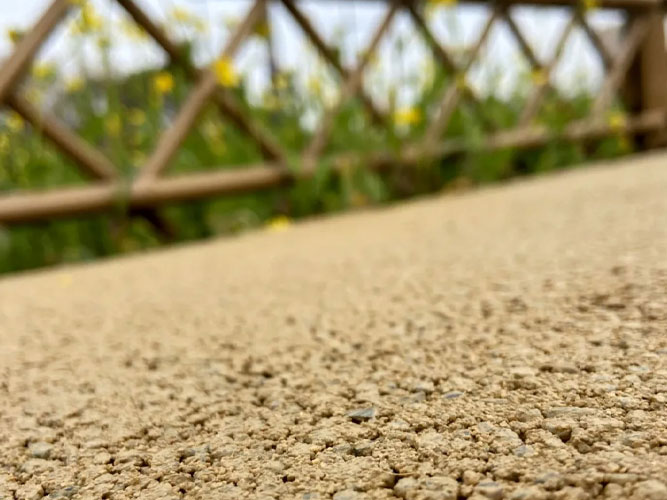
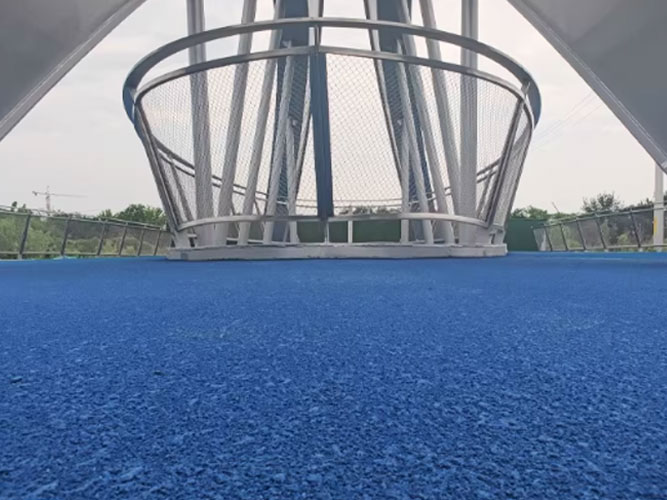
The first reason it works so well is high surface friction. Modern systems are engineered with hard, angular aggregates—often ceramic or mineral-based—that are permanently bonded to the road surface. This creates a rough micro-texture that does not disappear when water is present. Even in heavy rain, tires still make strong contact with these raised particles, maintaining grip and reducing the chance of skidding or hydroplaning.
This performance is commonly achieved through technologies such as High Friction Surfacing. Unlike conventional asphalt, which can become polished and slippery over time, high-friction surfaces are designed to retain texture and skid resistance for long periods, even under continuous traffic wear and wet exposure.
The second major advantage is water behavior on the surface. The textured structure helps break up and disperse water film more effectively than smooth asphalt. Instead of forming a continuous slippery layer, rainwater is disrupted into smaller channels, allowing tires to maintain better contact with the pavement beneath. This significantly reduces hydroplaning risk, which is one of the main causes of wet-weather accidents.
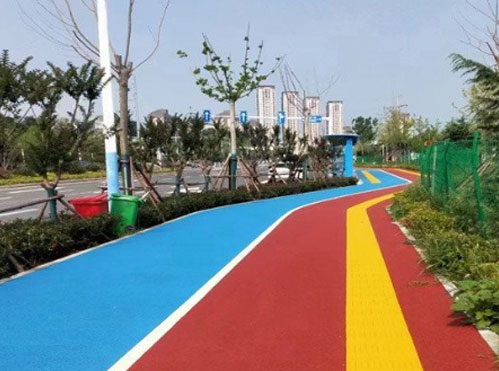
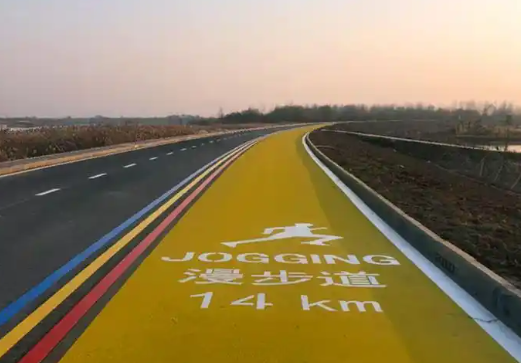
The third factor is visibility enhancement, which is often overlooked but equally important. Rain does not just reduce traction—it also reduces visual clarity. In wet conditions, traditional asphalt becomes dark and reflective, making lane markings harder to see. Colored anti-skid surfacing improves contrast, allowing road zones, lanes, and hazard areas to remain more distinguishable even during heavy rain or nighttime driving.
Color plays a psychological role as well. Bright or high-contrast surfaces naturally draw driver attention, encouraging earlier speed reduction and more cautious behavior. In wet weather, when reaction time is already reduced, this earlier visual warning becomes critical for safety.
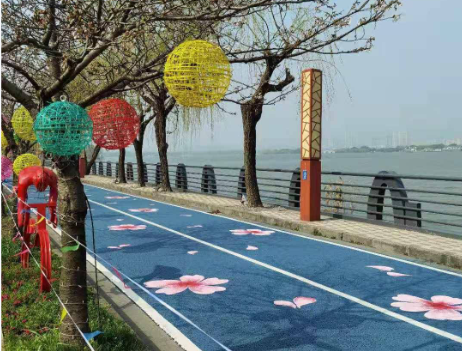
Modern construction methods like Color Emulsified Micro-Surfacing further enhance wet-weather performance by combining resurfacing, color application, and friction improvement in one layer. These systems bond tightly to existing pavement and create a uniform, durable surface that resists water penetration and maintains performance over time.
Another important benefit is consistency under stress. Wet conditions often expose weak points in traditional roads—patched areas, worn sections, and polished lanes. High-performance colored anti-skid surfaces provide more uniform texture across the road, reducing sudden changes in grip that can destabilize vehicles, especially motorcycles and bicycles.
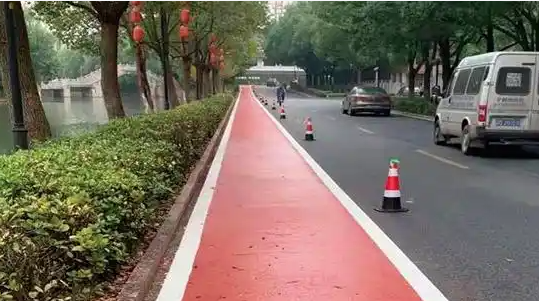
In real-world terms, this means shorter braking distances, fewer skids during turning, better lane control, and improved visibility in rain, fog, and spray from other vehicles. These combined effects significantly reduce accident risk in exactly the conditions where most serious crashes tend to happen.
In conclusion, colored anti-skid road surfacing is highly effective in wet conditions because it solves both core problems at once: it maintains physical grip through engineered surface texture and preserves visual clarity through color contrast. Instead of just reacting to rain, the road is designed to stay safe in it.