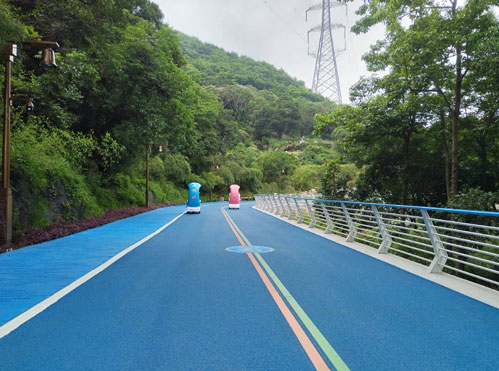
Road infrastructure is entering a new era driven by smart mobility, digital monitoring, and sustainability goals. As traffic volumes increase and safety expectations become higher, traditional pavement systems are no longer enough. Road anti-skid materials are evolving toward smarter, more durable, and lower-maintenance solutions that can adapt to modern transportation demands.
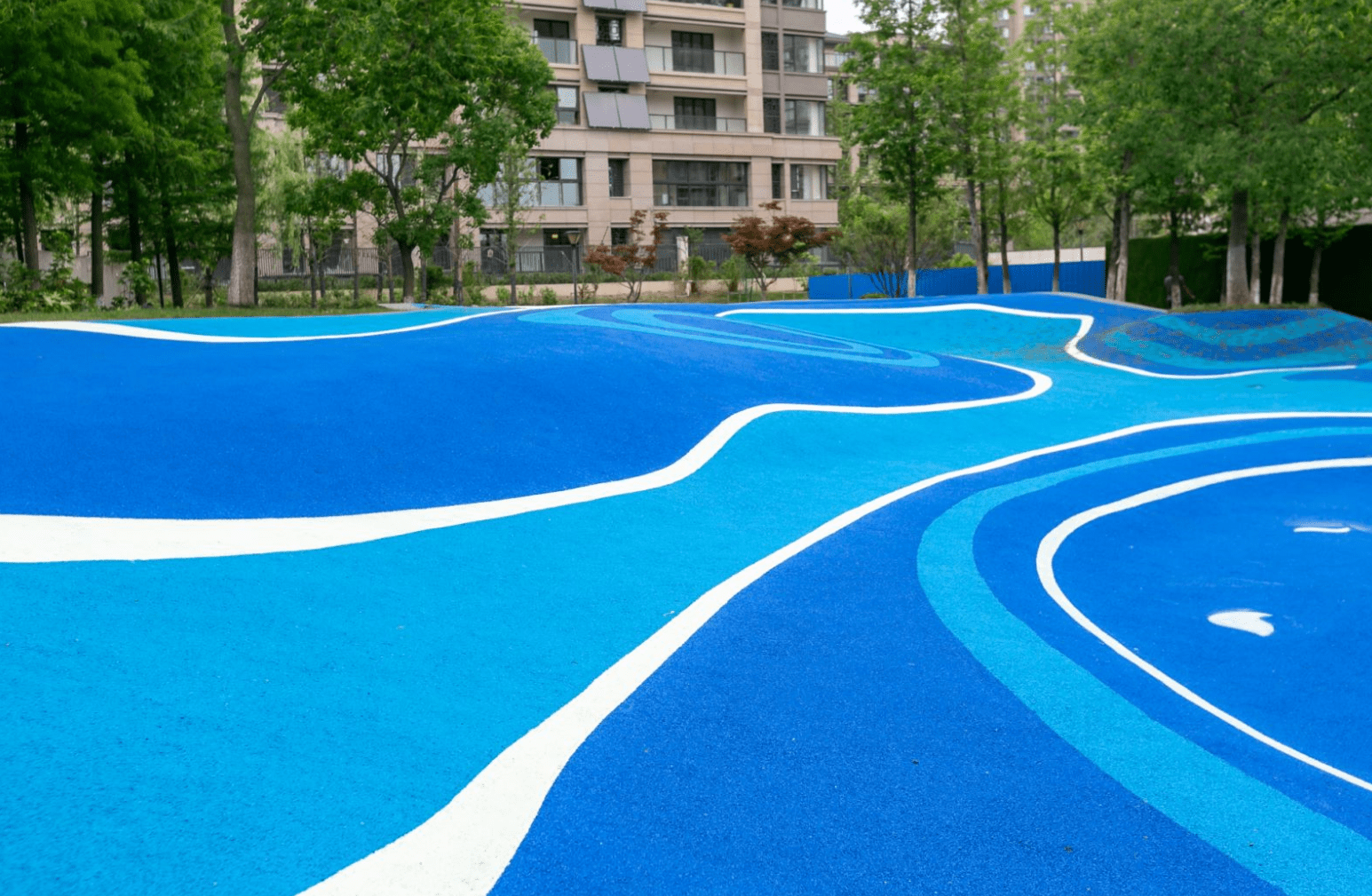
Conventional anti-skid materials focus mainly on improving friction through surface texture and high-performance aggregates. While effective, these systems are largely passive—they do not respond to environmental or traffic conditions.
The future of road anti-skid technology is shifting toward intelligent pavement systems that combine material science with data-driven infrastructure management. These systems are designed not only to provide traction but also to integrate with smart transportation networks.
One of the most promising developments is the integration of functional and responsive materials into road surfaces.
Future anti-skid systems may include:
Temperature-responsive surface behavior to reduce ice formation risk
Moisture-sensitive textures that improve wet-weather friction
Color-changing pavement indicators for hazard zones
Embedded sensor-compatible layers for traffic monitoring
These innovations aim to make road surfaces more adaptive to real-time conditions, improving safety in dynamic environments.
As cities adopt intelligent transportation systems (ITS), road materials are expected to become part of a connected infrastructure network.
Future anti-skid pavements may work alongside:
Traffic flow monitoring systems
Weather detection sensors
Autonomous vehicle navigation systems
Real-time road condition analytics platforms
By integrating with IoT-enabled infrastructure, road surfaces can provide valuable data on friction levels, surface wear, and safety risks, helping authorities make faster maintenance decisions.
Low-maintenance performance is a major focus in future pavement development. New material technologies are being designed to reduce lifecycle costs and extend durability.
Key advancements include:
Self-healing resin systems that repair micro-cracks automatically
Ultra-durable aggregates resistant to polishing and abrasion
UV-stable and weather-resistant binders
Anti-contamination surfaces that resist oil and dust buildup
These innovations reduce the need for frequent maintenance and improve long-term reliability.
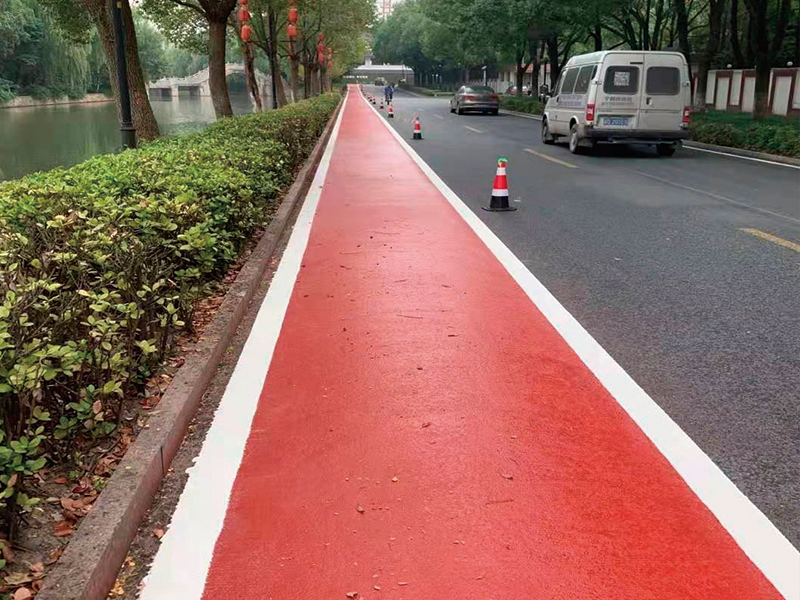
Sustainability is a driving force in modern infrastructure development. Future road anti-skid materials are expected to prioritize environmental performance without compromising safety.
Emerging trends include:
Low-VOC and water-based resin systems
Recyclable and reusable aggregate materials
Energy-efficient production processes
Heat-reflective and urban cooling pavement technologies
These solutions support green infrastructure initiatives and help reduce the environmental impact of road construction.
Beyond friction performance, visual communication on road surfaces is becoming increasingly important in smart cities.
Future anti-skid systems may include:
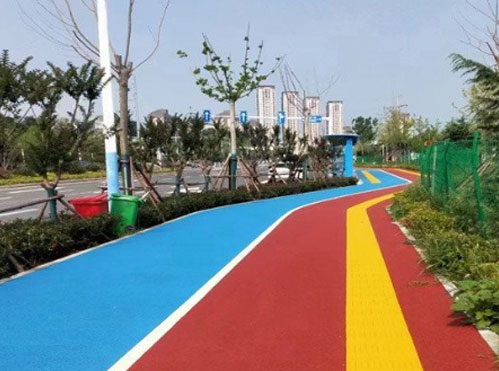
High-visibility color coding for traffic guidance
Reflective and photoluminescent surface elements
Dynamic lane marking integration
Smart pedestrian and bicycle zone signaling
These features help improve road user awareness and reduce human error in complex traffic environments.
Maintenance efficiency is a key goal for next-generation pavement systems. Future anti-skid materials will be designed to:
Resist long-term wear under heavy traffic loads
Maintain consistent friction performance over time
Minimize cleaning and repair frequency
Enable modular or localized repair instead of full resurfacing
This shift toward low-maintenance infrastructure will significantly reduce lifecycle costs for governments and contractors.

The future of road anti-skid materials is moving toward intelligent, adaptive, and sustainable solutions. By combining advanced material science, smart sensing technologies, and environmentally friendly designs, next-generation pavement systems will go beyond traditional skid resistance.
They will become an active part of smart mobility infrastructure—improving safety, reducing maintenance costs, and supporting the development of connected, efficient, and resilient transportation networks worldwide.