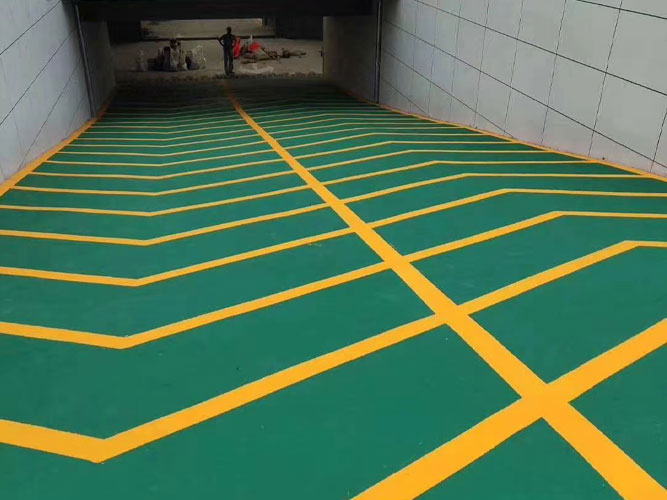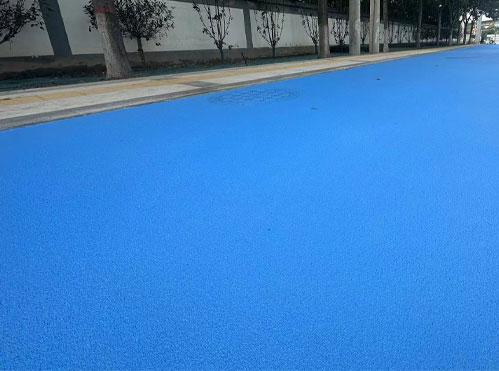
Improving road safety is a priority for cities, industrial facilities, and transportation authorities worldwide. However, large-scale road reconstruction is often expensive, time-consuming, and disruptive to traffic flow. For many projects, the most practical solution is not rebuilding the road—but upgrading the surface performance using modern anti-skid surfacing technology.
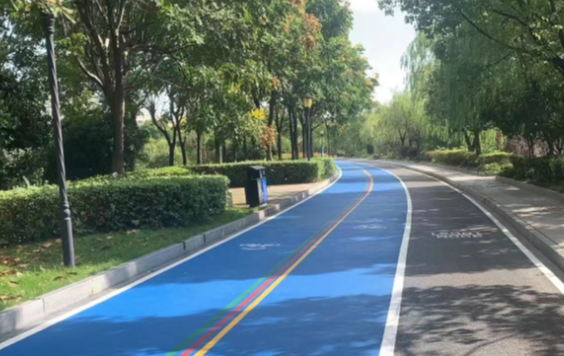
One of the most cost-effective ways to improve road safety instantly is the application of high-friction anti-skid road surfacing systems. These materials are designed to increase the friction between vehicle tires and the pavement surface, reducing braking distance and improving vehicle control in both dry and wet conditions. The result is an immediate improvement in safety performance without the need for full pavement replacement.
Unlike traditional resurfacing methods, anti-skid coatings can be applied directly onto existing asphalt or concrete surfaces. This makes them an ideal solution for upgrading roads, intersections, ramps, pedestrian crossings, and other high-risk areas. The installation process is relatively fast, allowing roads to return to service in a short time, minimizing traffic disruption and economic loss.
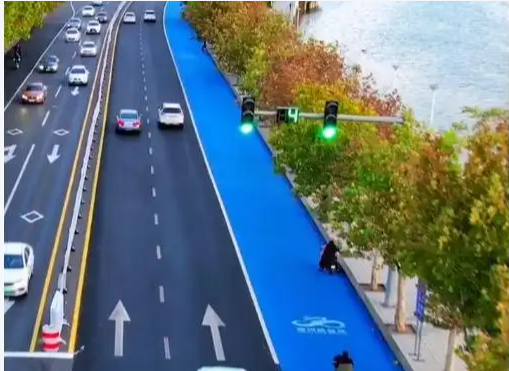
Another key advantage is targeted application. Instead of resurfacing entire road networks, anti-skid materials can be applied only in critical zones where accidents are more likely to occur. These include sharp curves, downhill sections, bus stops, roundabouts, and busy urban intersections. This focused approach significantly reduces overall project costs while maximizing safety impact.
Modern anti-skid systems also offer strong durability and long service life. High-performance resin-based and polymer-modified materials resist wear, weathering, and heavy traffic loads. This ensures that safety improvements remain effective over time, reducing the need for frequent maintenance and lowering lifecycle costs.
In addition to friction improvement, many modern systems also enhance visual guidance. Colored anti-skid surfaces help drivers quickly identify lanes, crossings, and hazard areas. This combination of physical grip and visual clarity provides a dual-layer safety improvement that is especially effective in complex traffic environments.
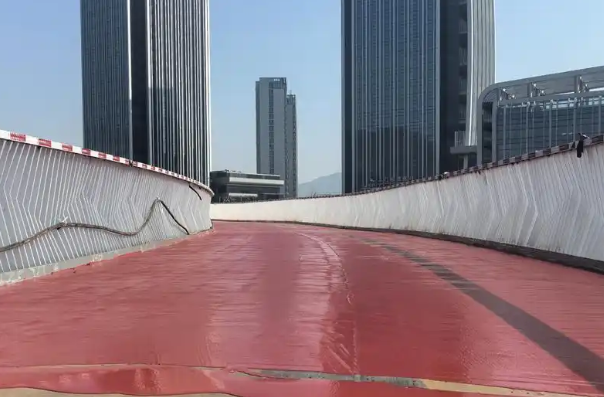
The cost-effectiveness of anti-skid surfacing comes not only from lower installation costs but also from the reduction in accident-related expenses. Fewer accidents mean lower repair costs, reduced insurance claims, and improved traffic efficiency. For cities and industrial operators, this translates into measurable long-term savings.
As transportation networks continue to grow and safety expectations rise, rapid-deployment anti-skid surfacing has become one of the most efficient tools for improving road safety. It delivers immediate results, requires minimal disruption, and provides long-term performance benefits—making it one of the smartest investments in modern road infrastructure.