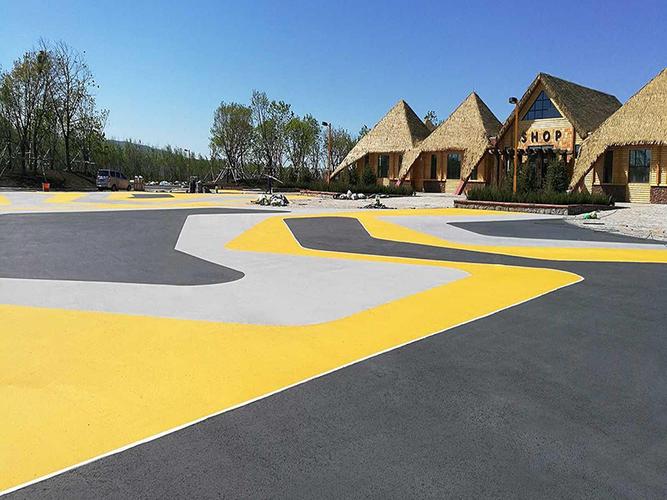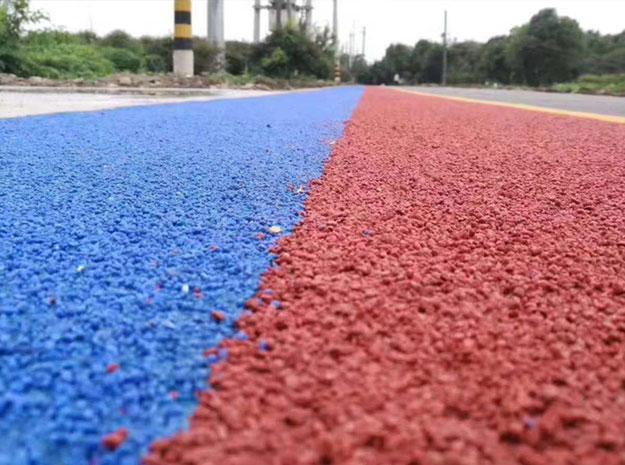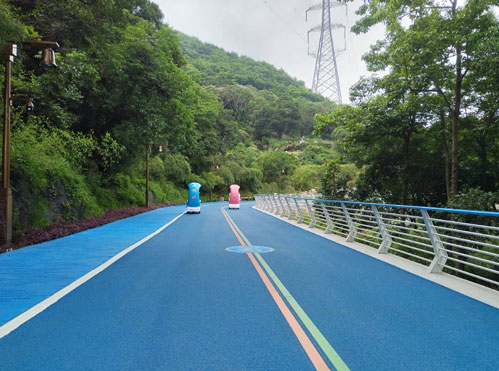
Modern transportation systems require more than traditional asphalt surfaces. With increasing demands for road safety, traffic organization, and attractive urban environments, coloured surfacing solutions have become an effective choice for infrastructure projects worldwide.
Designed for both functional and decorative purposes, coloured surfacing systems provide improved visibility, enhanced skid resistance, and long-lasting surface protection for roads, bicycle lanes, pedestrian areas, and commercial spaces.
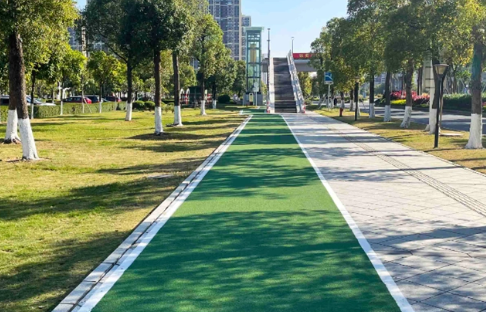
Coloured surfacing solutions are advanced pavement systems that combine durable binders, colored aggregates, and specialized materials to create high-performance colored surfaces on asphalt or concrete.
Unlike traditional road coatings, modern coloured surfacing systems are engineered to provide:
Strong adhesion
High friction performance
Excellent weather resistance
Long-lasting color stability
Easy maintenance
These features make them suitable for demanding transportation and urban development projects.
Safety is one of the main reasons why cities and contractors choose coloured surfacing solutions. Bright and highly visible surfaces help drivers and pedestrians quickly recognize different traffic areas.
Colored surfaces are commonly used for:
Bicycle lanes
Pedestrian crossings
Bus lanes
Intersection warning zones
School safety areas
By improving visual recognition, coloured surfacing helps create safer road environments.
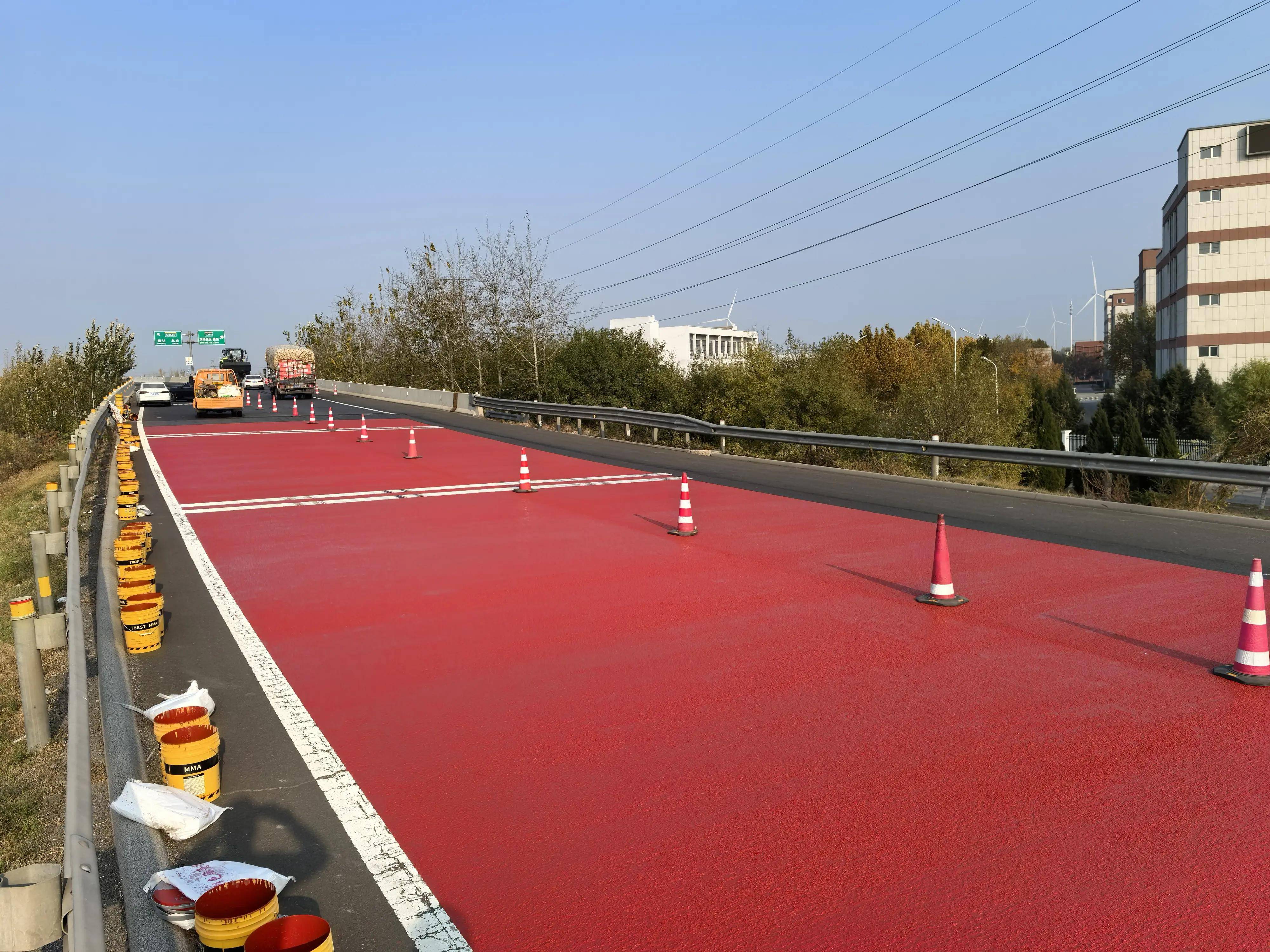
A major advantage of professional coloured surfacing solutions is their anti-skid performance. Special aggregates provide excellent grip, helping vehicles maintain better control in both dry and wet conditions.
High-friction coloured surfaces can help:
Reduce slipping risks
Improve braking performance
Increase cyclist safety
Enhance traffic safety in high-risk areas
This makes them ideal for roads with heavy traffic and challenging weather conditions.
Coloured surfacing solutions are suitable for a wide range of infrastructure applications, including:
Cities use colored road surfaces to improve traffic management and create organized transportation networks.
Colored cycling paths improve visibility and separate cyclists from vehicle traffic.
Colored surfaces help define parking spaces, pedestrian routes, and traffic directions.
Shopping centers, parks, communities, and recreational areas use coloured surfacing to improve appearance and user experience.
Logistics parks, warehouse areas, and airport service roads benefit from durable, high-performance colored surfaces.
High-quality coloured surfacing solutions are designed to withstand demanding outdoor environments. They maintain performance under exposure to:
UV radiation
Rain and moisture
Temperature changes
Heavy vehicle traffic
With proper installation, these systems provide long service life while reducing maintenance requirements.
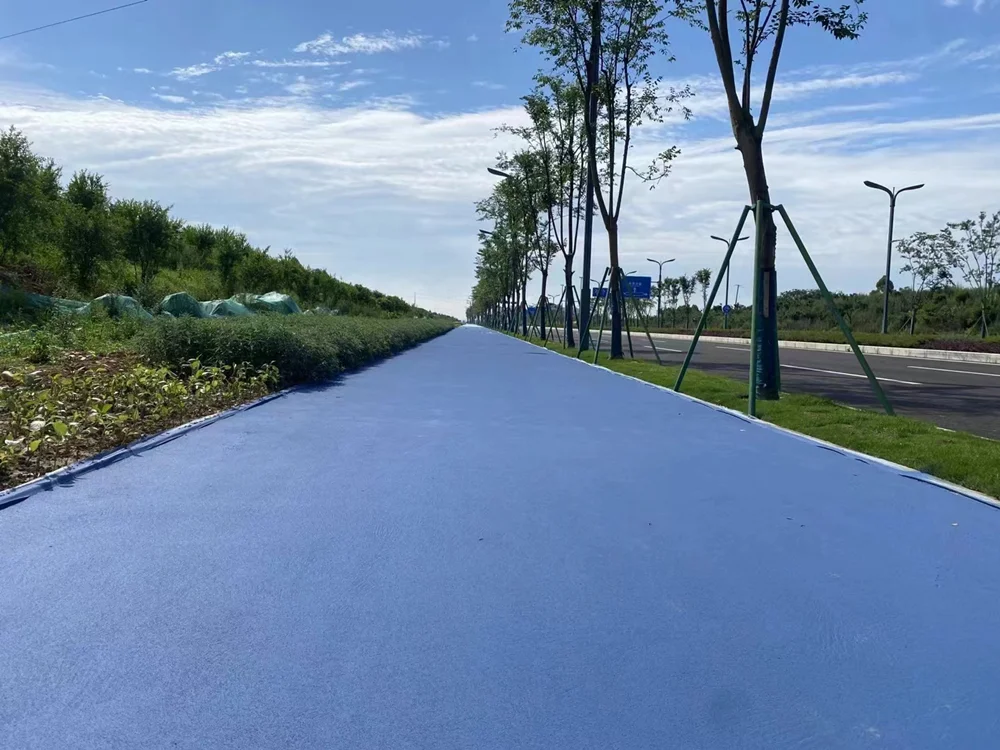
Beyond safety improvements, coloured surfacing solutions contribute to modern city development. Color selection allows designers and engineers to create clear traffic zones and visually attractive public spaces.
Many smart city projects use colored pavement systems to support:
Sustainable transportation
Pedestrian-friendly design
Cycling infrastructure
Improved urban aesthetics
When selecting a coloured surfacing system, project owners should consider:
Surface type (asphalt or concrete)
Traffic volume
Required friction level
Climate conditions
Installation requirements
Expected service life
Working with an experienced manufacturer ensures the selected system meets project performance requirements.
Coloured surfacing solutions provide a combination of safety, durability, visibility, and aesthetic improvement for modern infrastructure projects. From urban streets and bicycle lanes to industrial areas and public spaces, these advanced pavement systems help create safer and more attractive environments.
As global demand for smarter and safer transportation continues to grow, coloured surfacing solutions will play an increasingly important role in the future of road construction and urban development.