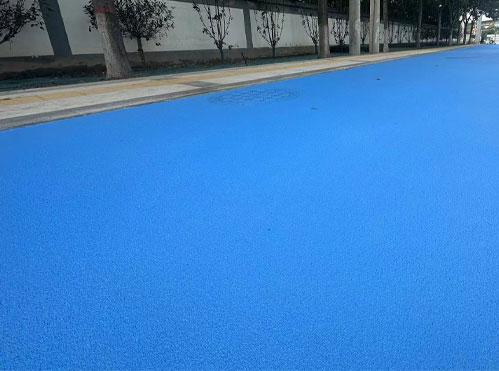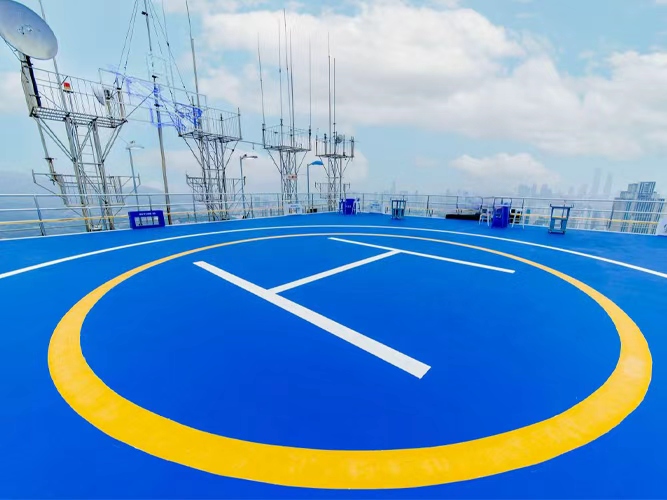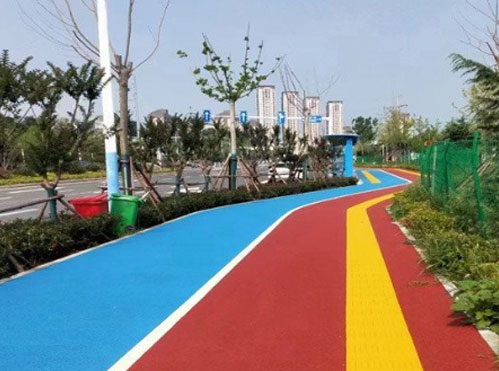
Ensuring the safety of students, teachers, and pedestrians is a top priority for schools, universities, and local authorities. One of the most effective ways to improve traffic safety in educational environments is through the application of colored anti-skid surfacing. Combining high visibility with superior skid resistance, this pavement solution helps create safer and more organized traffic conditions in school zones and campus road networks.
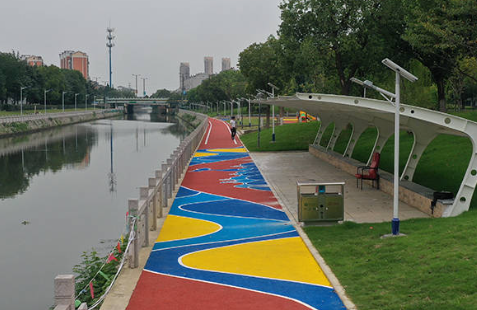
School zones often experience a mix of pedestrians, cyclists, buses, and private vehicles during peak hours. Colored anti-skid surfacing provides clear visual guidance by highlighting pedestrian crossings, drop-off areas, bicycle lanes, speed reduction zones, and traffic-calming sections. Bright and highly visible colors immediately attract drivers' attention, encouraging reduced speeds and increased awareness of surrounding hazards.
In addition to improving visibility, colored anti-skid surfacing significantly enhances road grip. The system incorporates high-friction aggregates that increase tire traction, reducing the risk of skidding during wet weather or emergency braking situations. This additional friction is particularly valuable near school entrances, intersections, crosswalks, and sharp turns where vehicle control is critical.
Campus roads also benefit from colored surfacing solutions. Universities, colleges, and educational campuses often have complex transportation networks shared by pedestrians, bicycles, electric scooters, and vehicles. Clearly designated colored lanes help separate traffic flows, improve navigation, and reduce conflicts between different road users. The result is a safer and more efficient campus environment.

Modern colored anti-skid surfacing systems are designed for long-term durability. They can withstand heavy pedestrian traffic, vehicle loads, UV exposure, and varying weather conditions while maintaining their color and skid-resistant properties. This makes them a cost-effective solution for schools and institutions seeking long-lasting safety improvements with minimal maintenance requirements.
Beyond safety benefits, colored pavement enhances the overall appearance of educational facilities. Well-marked roads and walkways create a more organized and professional environment while supporting accessibility and wayfinding initiatives.
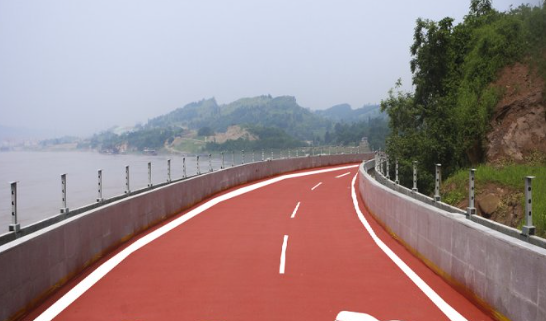
As educational institutions continue to prioritize student safety and sustainable infrastructure development, colored anti-skid surfacing has become an increasingly popular solution. By improving visibility, increasing skid resistance, and enhancing traffic organization, it helps create safer school zones and campus roads for everyone.
Whether applied to pedestrian crossings, bicycle paths, speed-control areas, parking zones, or campus roadways, colored anti-skid surfacing offers a reliable and effective approach to modern school and campus safety management.