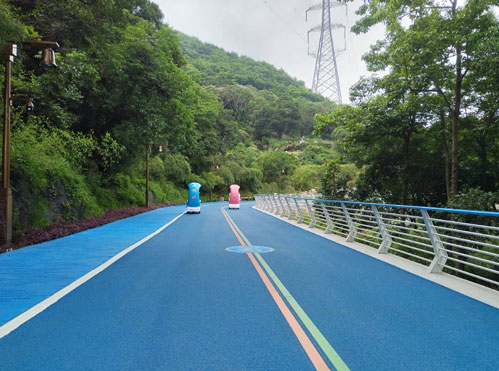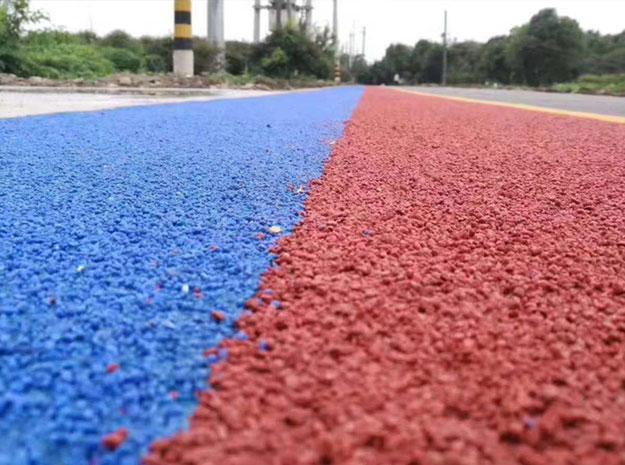
With the rapid growth of urban transportation and infrastructure development, improving road safety has become a global priority. Traditional pavement surfaces may lose friction due to heavy traffic, rainfall, temperature changes, and long-term wear, increasing the risk of vehicle skidding.
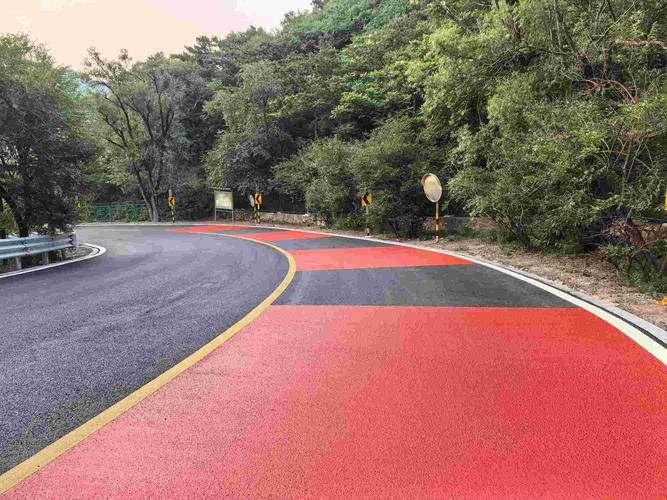
A High Friction Pavement System is an advanced surface treatment technology designed to improve skid resistance, enhance vehicle control, and provide long-lasting pavement performance. It is widely used in highways, urban roads, bicycle lanes, bridges, airports, and industrial areas where high safety standards are required.
A High Friction Pavement System is a specialized anti-skid surfacing solution that combines high-performance bonding materials with durable aggregates to create a strong and textured pavement layer.
Unlike traditional road coatings that mainly focus on appearance, high friction pavement systems are engineered to maximize surface grip and maintain friction performance under challenging conditions.
A typical system includes:
High-performance resin binder
Durable ceramic aggregates
Colored anti-skid particles
Professional installation process
The combination creates a hard-wearing surface with excellent adhesion, skid resistance, and visual appeal.
The system works by creating a rough surface texture that increases contact between vehicle tires and the pavement.
The exposed aggregates provide additional friction, helping vehicles maintain better control during:
Emergency braking
Sharp turning
Wet weather driving
High-speed traffic conditions
This makes high friction pavement systems particularly effective in areas with increased accident risks.
The primary benefit of high friction pavement is enhanced skid resistance.
By increasing surface friction, the system helps reduce braking distances and improves vehicle stability, especially in:
Highway curves
Intersections
Pedestrian crossings
Bridge approaches
Bus lanes
Rainwater can significantly reduce pavement grip. High friction pavement systems maintain reliable traction even in wet conditions.
This makes them suitable for tropical climates and regions with frequent rainfall, including Southeast Asian countries such as Malaysia, Thailand, Indonesia, and the Philippines.
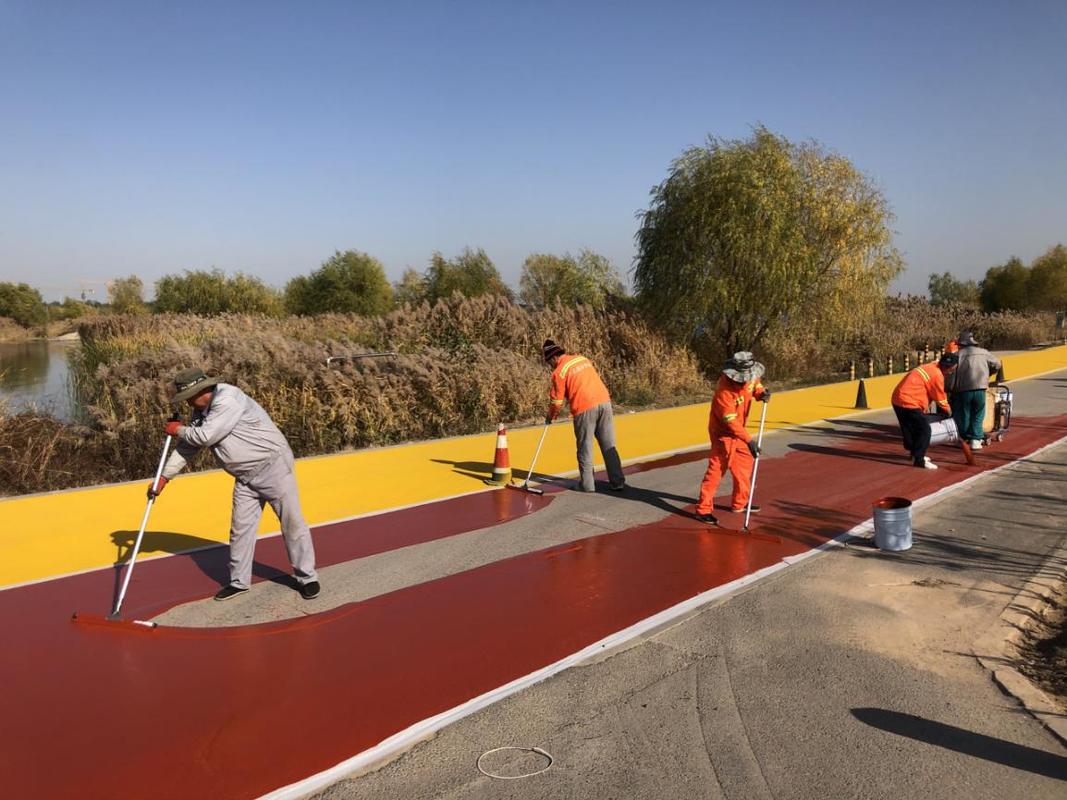
A high-quality high friction pavement system is designed to withstand:
Heavy traffic loads
UV exposure
Temperature variations
Water damage
Surface abrasion
Its long service life helps reduce maintenance costs and improves project value.
Colored high friction pavement systems provide both safety and aesthetic benefits.
Different colors can be used for:
Bicycle lanes
Pedestrian zones
School areas
Traffic calming sections
Parking spaces
Smart city projects
Color coding helps drivers and pedestrians recognize different road functions more easily.
High friction pavement systems are commonly installed in high-risk areas, including:
Sharp bends
Highway ramps
Toll stations
Accident-prone sections
Cities use colored anti-skid pavement solutions to improve safety and create attractive public spaces.
Applications include:
Cycling networks
Residential roads
Parks
Walkways
Urban renewal projects
Bridge surfaces require strong adhesion and friction performance due to exposure to moisture and heavy traffic.
High friction pavement systems provide:
Better skid resistance
Weather protection
Strong bonding performance
Improved driving safety
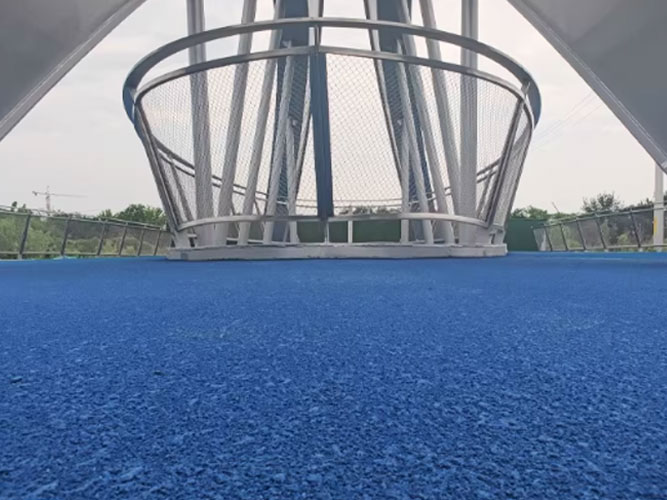
Industrial facilities and airports require reliable pavement performance under heavy loads.
Applications include:
Loading zones
Factory entrances
Airport service roads
Logistics areas
Selecting an experienced manufacturer is important for achieving consistent quality and long-lasting results.
A professional supplier should provide:
High-quality raw materials
Customized color options
Technical installation guidance
Stable production capacity
International project experience
The right system should be selected according to traffic conditions, climate environment, and project requirements.
A High Friction Pavement System is an effective solution for modern road safety challenges. By improving surface friction, increasing durability, and providing excellent visual guidance, it helps create safer and more efficient transportation environments.
From highways and bridges to bicycle lanes and urban infrastructure, high friction pavement technology plays an important role in building safer roads for the future.