Road safety is a critical challenge for modern transportation systems. Heavy traffic, rainfall, vehicle acceleration, and long-term pavement wear can reduce road surface friction and increase the risk of skidding accidents.
Anti-Skid Road Surfacing is an advanced pavement technology designed to improve surface grip, enhance vehicle control, and provide long-lasting protection for roads. It is widely used in highways, urban roads, bicycle lanes, bridges, parking areas, and industrial zones where safety and durability are essential.
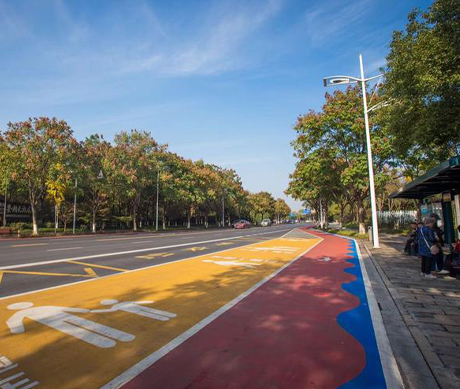
Anti-Skid Road Surfacing is a specialized surface treatment that increases pavement friction through the use of high-performance binders and durable aggregates.
The system creates a rough and textured surface that improves tire contact with the road, helping vehicles maintain better stability during braking, cornering, and wet weather conditions.
Typical anti-skid road surfacing systems include:
High-performance polymer binders
Durable ceramic aggregates
Colored anti-slip particles
Professional surface installation technology
This combination provides excellent skid resistance while improving the visual appearance of road surfaces.
The main purpose of anti-skid road surfacing is to increase road friction and reduce slipping risks.
It helps improve vehicle control in areas such as:
Highway curves
Road intersections
Pedestrian crossings
Bridge approaches
Bus lanes
By providing better grip, anti-skid surfaces help reduce braking distance and improve driving confidence.
Rainwater can create slippery road conditions and reduce tire traction.
Anti-skid road surfacing maintains reliable friction performance in wet environments, making it an ideal choice for regions with heavy rainfall and tropical climates.
High-quality anti-skid surfacing materials are designed to withstand harsh outdoor conditions, including:
Heavy vehicle traffic
UV radiation
Temperature fluctuations
Water exposure
Daily wear
This ensures longer service life and reduces maintenance frequency.
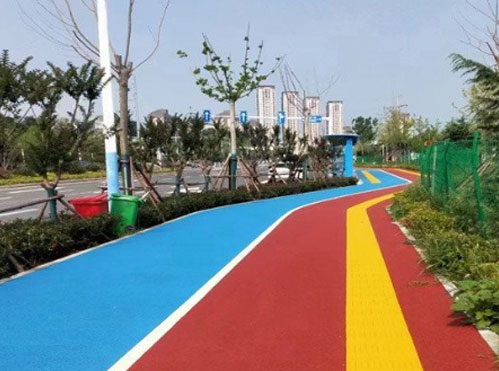
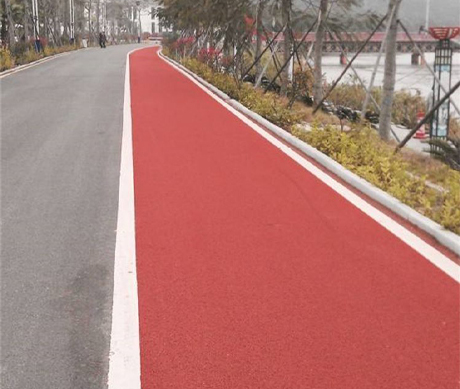
Modern anti-skid road surfacing solutions can be customized with different colors to improve road visibility and traffic organization.
Common color applications include:
Red bicycle lanes
Green pedestrian pathways
Blue traffic zones
Colored safety areas
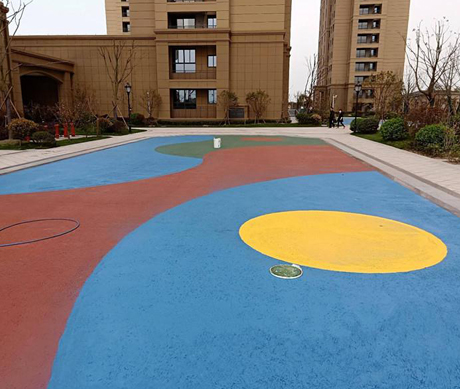
Colored surfaces provide both functional safety benefits and attractive urban designs.
Anti-skid road surfacing is widely used in high-risk highway locations:
Sharp bends
Exit ramps
Toll areas
Accident-prone sections
These applications help improve vehicle stability and reduce traffic risks.
Cities are increasingly adopting colored anti-skid surfacing for:
Cycling paths
Greenways
Residential communities
School zones
Public spaces
The solution improves safety while supporting modern urban development.
Bridge decks require strong adhesion and friction due to exposure to moisture and heavy loads.
Anti-skid road surfacing provides:
High surface grip
Strong bonding performance
Weather resistance
Long-term durability
Industrial roads require surfaces capable of handling frequent vehicle movement.
Applications include:
Factory entrances
Logistics centers
Loading areas
Parking facilities
A professional supplier should provide reliable materials and technical support to ensure successful project performance.
Important factors include:
High-quality raw materials
Stable product performance
Customized color options
Installation guidance
Export experience
Choosing the right anti-skid surfacing system according to traffic conditions and climate environment can significantly improve road safety and service life.
Anti-Skid Road Surfacing is an effective solution for improving road safety, reducing skid risks, and extending pavement performance.
With excellent friction, durability, and customizable appearance, anti-skid surfacing materials are becoming an important choice for highways, urban infrastructure, bicycle networks, and transportation projects worldwide.
Building safer roads starts with choosing the right anti-skid pavement technology.