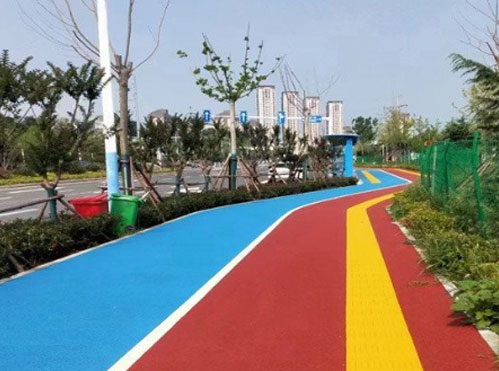
Colored pavement technologies have become an important part of modern road construction, providing both functional performance and visual improvement for urban transportation systems. With the increasing demand for safer roads, sustainable infrastructure, and attractive city environments, advanced colored pavement solutions are widely used in highways, bicycle lanes, pedestrian areas, parking lots, and public spaces.
Modern colored pavement technology combines high-performance binders, durable aggregates, and specialized surface treatments to create strong and long-lasting road surfaces. Unlike traditional pavement systems, colored pavement not only enhances the appearance of roads but also improves traffic safety through better visibility and skid resistance.
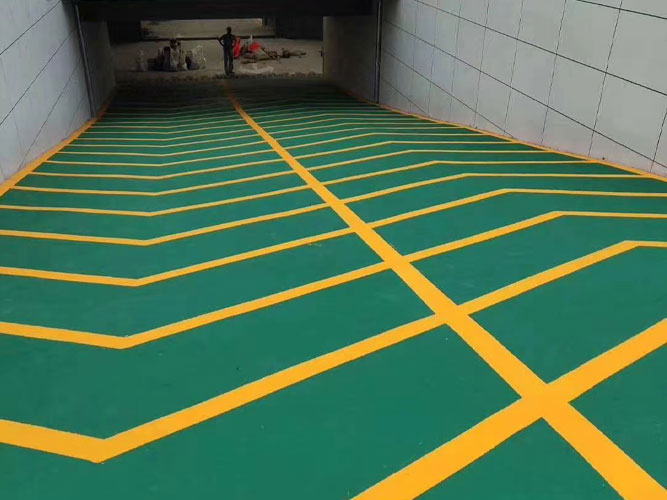
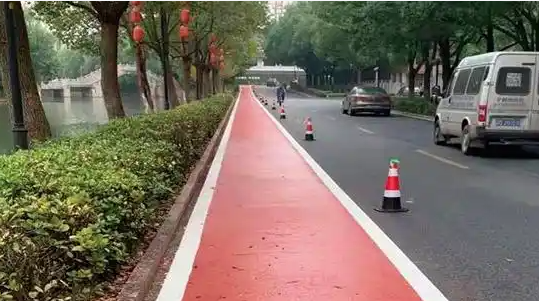
One of the key advantages of colored pavement technology is its ability to improve road safety. Different colors can be applied to clearly define traffic zones, separate vehicle and bicycle lanes, highlight pedestrian crossings, and provide warning areas in high-risk locations. This visual guidance helps drivers recognize road conditions quickly and improves overall traffic management.
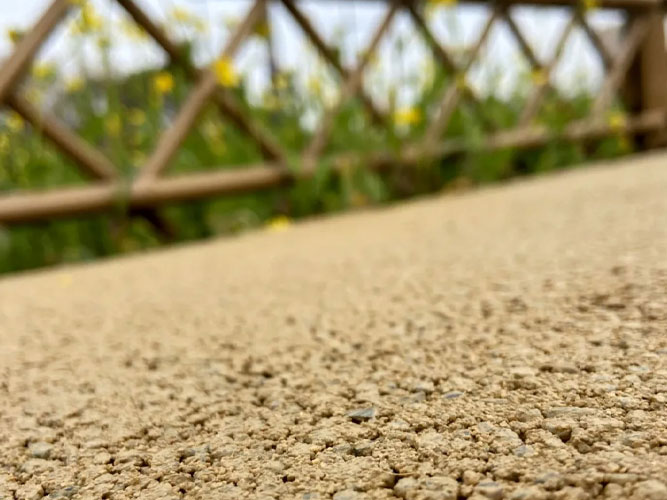
High-quality colored pavement systems are developed with excellent anti-slip performance and strong adhesion. Advanced resin-based materials and high-friction aggregates provide reliable surface grip under dry and wet conditions. These features make colored pavement suitable for areas with heavy traffic, sharp curves, bridges, ramps, and intersections where safety is a priority.
Environmental protection is also an important factor in the development of colored pavement technologies. Water-based colored pavement systems reduce the use of harmful solvents and support more sustainable construction practices. Many modern products are designed with low emissions, UV resistance, and long-term color stability to meet the requirements of green infrastructure projects.
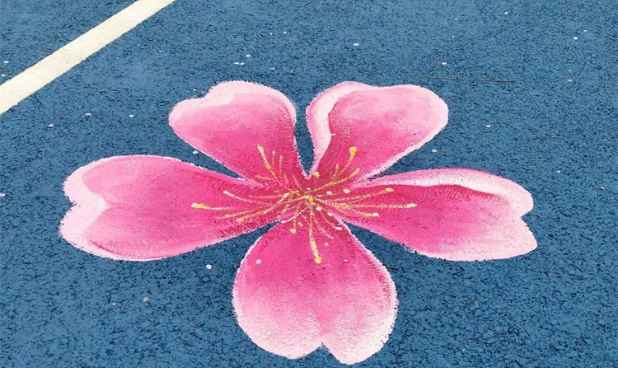
Different colored pavement technologies are available according to project requirements. Water-based systems are widely used for urban roads, parks, and pedestrian pathways due to their environmental advantages. High-friction surfacing systems are suitable for areas requiring enhanced skid resistance, such as highways, bridge decks, and airport service roads. Decorative colored pavement solutions are often applied in residential communities, scenic areas, and commercial spaces.
Another benefit of advanced colored pavement technology is its contribution to urban design. By introducing different colors and patterns, cities can create more organized, attractive, and pedestrian-friendly environments. Colored surfaces help promote cycling and walking while improving the overall quality of public spaces.
For road contractors, municipalities, and infrastructure developers, selecting the right colored pavement system is essential for achieving long-term performance. Factors such as traffic volume, climate conditions, application area, and maintenance requirements should be considered when choosing suitable materials.
With continuous innovation in materials and construction methods, colored pavement technologies will continue to support safer roads, greener cities, and smarter transportation systems. As global infrastructure develops, colored pavement will remain a valuable solution for combining safety, durability, sustainability, and modern urban aesthetics.