As cities continue to expand and transportation networks become more complex, sustainable construction has become a key focus for governments, contractors, and infrastructure developers. Colored pavement systems are emerging as an innovative solution that combines road safety, environmental benefits, and urban design improvement. These advanced pavement technologies support sustainable development by providing durable, low-impact, and efficient surfacing solutions for modern infrastructure projects.
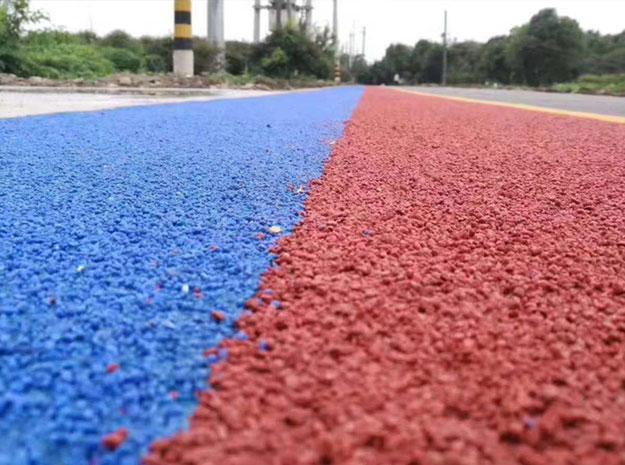
Colored pavement systems are specialized surface treatments designed to add color, improve skid resistance, and enhance pavement performance. These systems typically combine high-performance binders, durable aggregates, and colored materials to create a strong and attractive road surface.
Unlike traditional asphalt surfaces, colored pavement provides additional functions beyond basic transportation needs. It helps define traffic areas, improves visibility, enhances pedestrian safety, and supports the development of environmentally friendly urban spaces.
Modern colored pavement systems often use water-based technologies that reduce emissions and minimize the use of harmful solvents during installation. These environmentally friendly materials support green construction practices and help infrastructure projects achieve sustainability goals.
Water-based colored pavement solutions are suitable for urban roads, bicycle lanes, pedestrian pathways, parks, and public areas where environmental performance is an important consideration.
Durability is a key factor in sustainable construction. High-quality colored pavement systems provide excellent adhesion, wear resistance, UV resistance, and weather durability. Longer service life reduces the need for frequent repairs and replacements, helping save construction materials and lowering long-term maintenance costs.
Traditional dark asphalt surfaces absorb significant solar heat, contributing to higher temperatures in urban areas. Certain colored pavement solutions with reflective properties can help reduce surface heat absorption and create more comfortable environments in cities.
This makes colored pavement a valuable component of sustainable urban planning, especially in areas with high temperatures and strong sunlight.
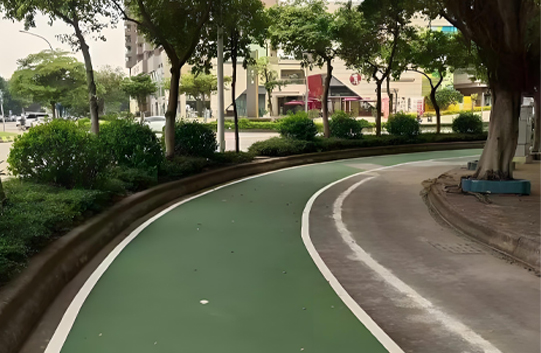
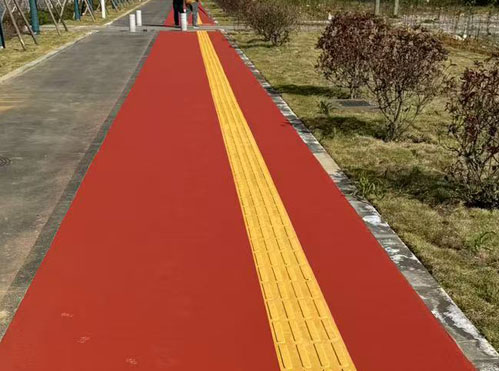
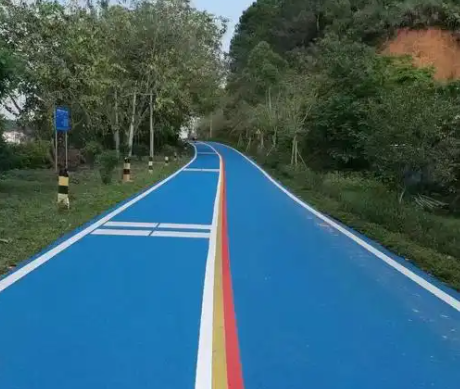
Colored pavement plays an important role in encouraging sustainable transportation. By clearly marking bicycle lanes, pedestrian zones, and public transit areas, colored surfaces improve safety and encourage more people to choose environmentally friendly travel options.
Cities can use colored pavement systems to create organized transportation networks that support walking, cycling, and public transportation.
Colored pavement solutions are widely used in:
Bicycle lanes and cycling paths
Pedestrian walkways
Bus lanes and transit corridors
Parking areas
Residential communities
Parks and scenic areas
Urban streets
Bridge decks and safety zones
These applications help improve both the functionality and appearance of public infrastructure.
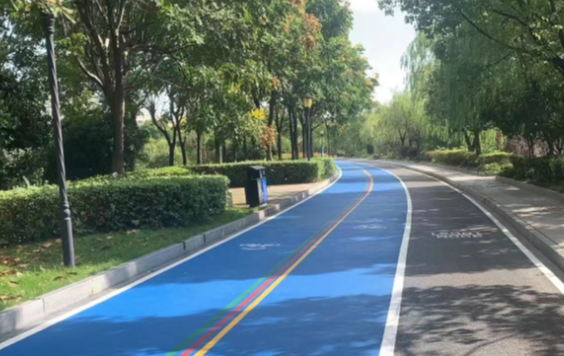
For contractors, municipalities, and developers, colored pavement systems provide multiple benefits:
Enhanced road safety through improved visibility
Excellent anti-slip performance
Long-lasting color stability
Reduced environmental impact
Improved urban aesthetics
Flexible application on asphalt and concrete surfaces
By selecting the right colored pavement technology, project owners can achieve a balance between performance, sustainability, and visual appeal.
With the global focus on green infrastructure and smart city development, colored pavement systems will continue to play an important role in future transportation projects. These solutions provide a practical way to improve road safety while supporting environmental responsibility.
From urban streets to large infrastructure projects, sustainable colored pavement technology offers a reliable solution for creating safer, cleaner, and more efficient transportation environments.