Durable colored polymer slurry systems are widely used in modern road construction and urban infrastructure projects due to their excellent wear resistance, anti-skid performance, and decorative appearance. These advanced pavement surfacing systems provide both functional safety and long-lasting durability for high-traffic environments.
With the growing demand for smart city infrastructure and sustainable transportation solutions, colored polymer slurry technology has become an important choice for municipal roads, bicycle lanes, pedestrian areas, and public spaces.
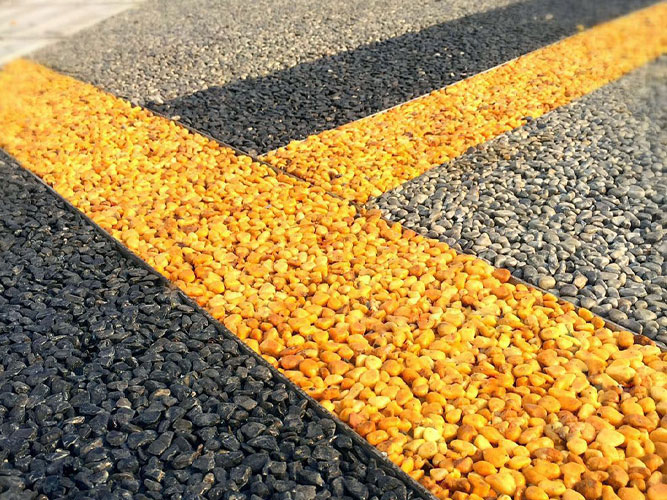
Colored polymer slurry systems are thin-layer pavement surfacing solutions made from polymer-modified binders, colored aggregates, mineral fillers, and performance additives. The slurry mixture is applied directly onto asphalt or concrete surfaces to improve skid resistance, pavement protection, and traffic visibility.
Typical materials include:
Polymer-modified emulsions
Colored ceramic aggregates
Fine mineral fillers
High-friction anti-slip particles
Weather-resistant pigments
The finished surface forms a durable, textured layer with strong adhesion and long-term performance.
Polymer slurry systems are designed to resist abrasion, UV exposure, water penetration, and heavy traffic loads. This extends pavement service life and reduces maintenance costs.
The textured surface improves tire grip and pedestrian traction, helping reduce skidding accidents in wet or high-risk traffic areas.
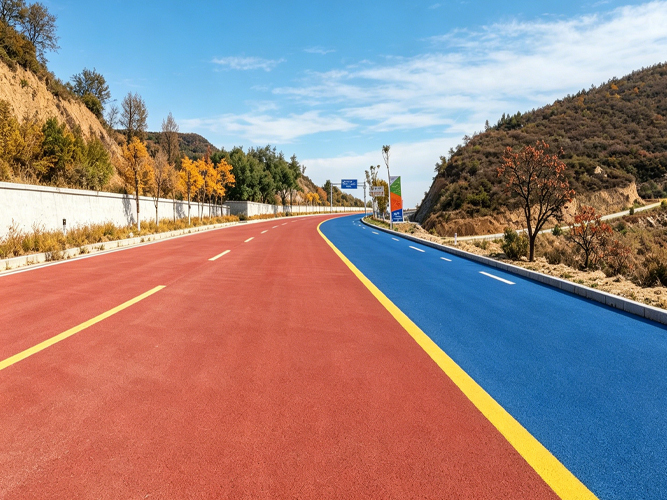
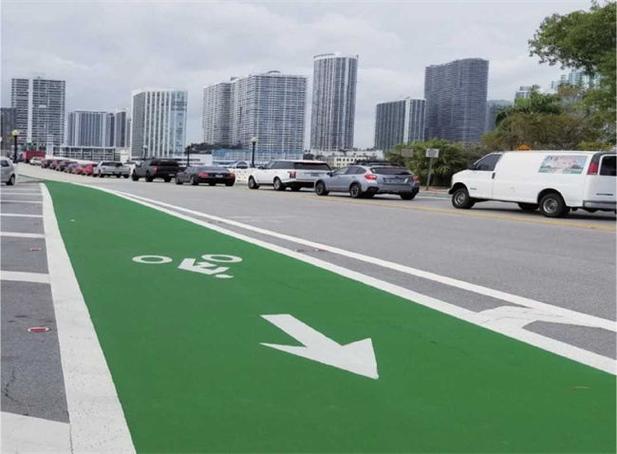
Bright colored pavement improves traffic guidance and helps separate different transportation zones such as bicycle lanes, bus lanes, and pedestrian crossings.
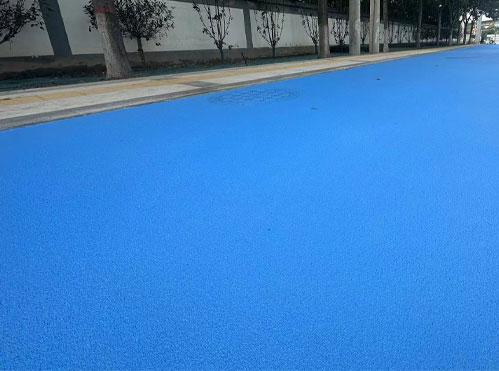
Compared with complete pavement reconstruction, slurry surfacing provides an economical method for restoring and upgrading existing road surfaces.
Many polymer slurry systems use water-based materials with lower VOC emissions, supporting sustainable infrastructure development.
Durable colored polymer slurry systems are commonly used in:
Urban roads
Bicycle lanes
Pedestrian crossings
Bus rapid transit lanes
Parking areas
Bridge decks
School safety zones
Residential communities
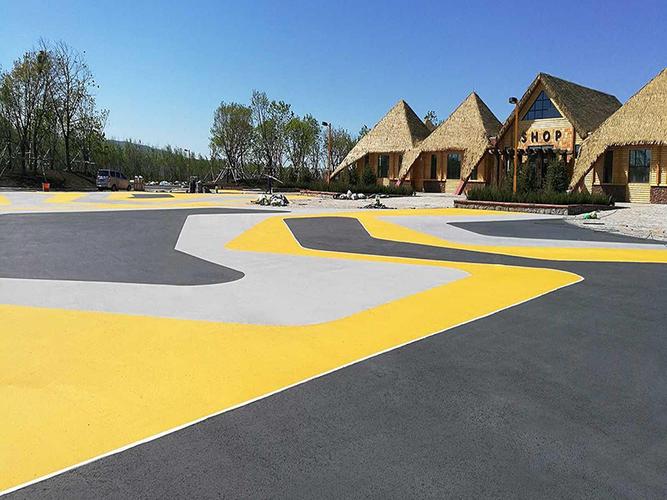
Public plazas
Industrial parks
These systems improve both pavement functionality and urban aesthetics.
Smart cities require infrastructure solutions that combine safety, efficiency, and sustainability. Colored polymer slurry systems help meet these goals by improving traffic organization, reducing maintenance frequency, and enhancing the visual quality of public spaces.
The use of color-coded pavement also supports intelligent traffic management and safer mobility for cyclists and pedestrians.
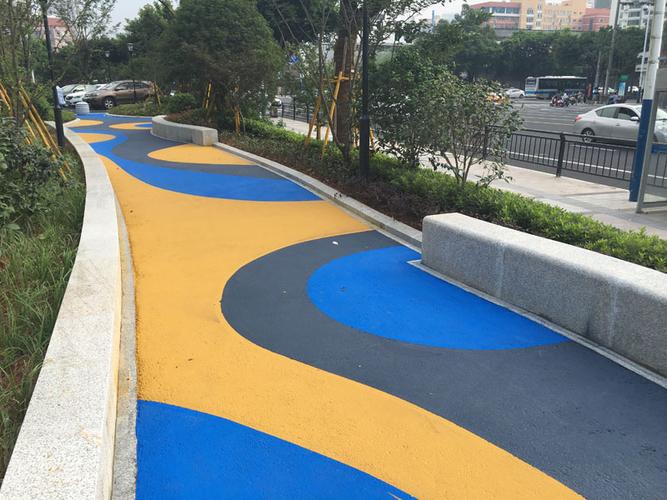
Different colors are often selected based on traffic management needs:
Red — bus lanes and warning zones
Green — bicycle lanes and eco-friendly routes
Blue — pedestrian and public activity areas
Yellow — caution zones and accessibility pathways
Gray — modern urban landscape integration
Color separation helps improve traffic recognition and roadway efficiency.
As pavement technology continues advancing, polymer slurry systems are evolving with features such as:
Higher wear resistance
Faster curing performance
Improved UV stability
Low-carbon eco-friendly materials
Enhanced anti-slip textures
Smart road marking compatibility
These innovations will continue supporting modern transportation infrastructure worldwide.
Durable colored polymer slurry systems provide an effective and economical solution for improving road safety, pavement durability, and urban traffic management. Their anti-skid performance, strong weather resistance, and visual guidance capabilities make them ideal for modern infrastructure applications.
As cities continue focusing on smart and sustainable transportation systems, colored polymer slurry technology will remain an important part of future urban development.