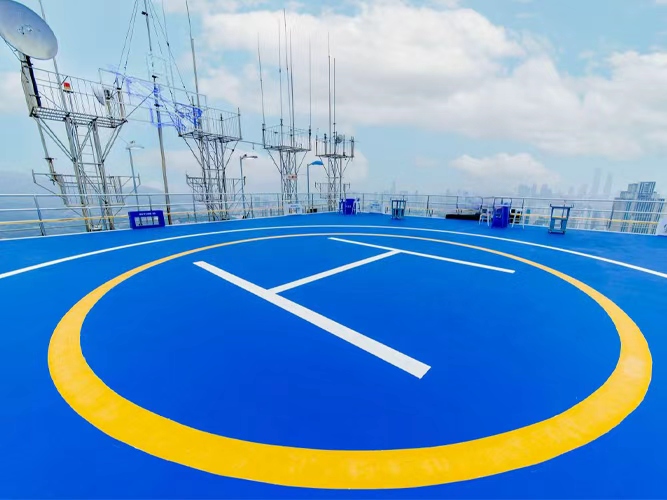
With the continuous development of modern cities, urban roads and public areas require pavement solutions that provide not only durability but also improved safety and visual appeal. Colored anti-slip pavement has become an effective choice for municipalities, contractors, and urban planners seeking to create safer, more attractive, and more functional transportation environments.
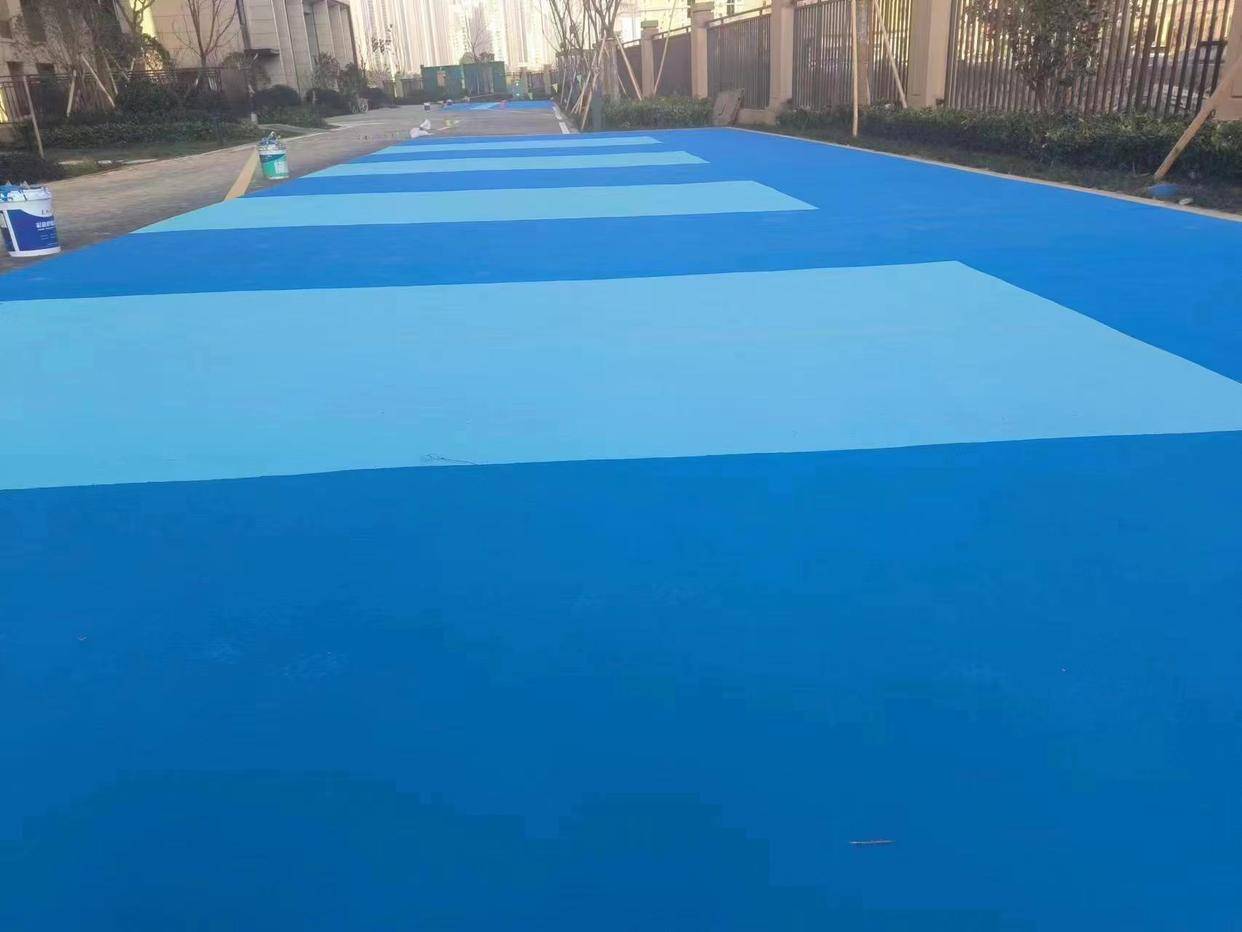
Colored anti-slip pavement is a specialized surface system that combines high-performance binders, durable aggregates, and color materials to create a strong, skid-resistant pavement layer. Compared with traditional road surfaces, it provides additional benefits such as improved friction, better visibility, and enhanced urban aesthetics.
Urban roads often experience complex traffic conditions, including pedestrians, bicycles, motorcycles, and vehicles sharing limited spaces. Colored anti-slip pavement helps improve road safety by clearly identifying different functional areas and guiding road users.
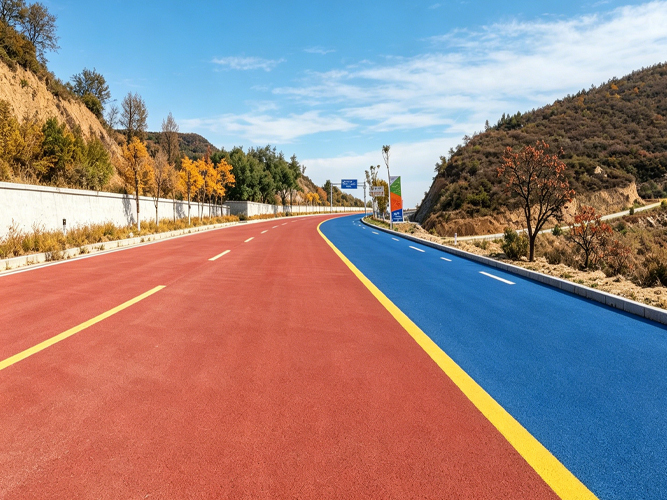
Bright and visible pavement colors can be used for bicycle lanes, pedestrian crossings, school zones, bus stops, traffic islands, and shared road areas. These visual signals help drivers recognize important zones quickly and reduce potential conflicts between different road users.
In addition, the anti-slip performance of colored pavement provides better surface grip, especially during rainy conditions. This is particularly important for cities with tropical climates where frequent rainfall can reduce road surface friction.
Colored anti-slip pavement is widely used in various urban and public spaces, including:
Colored pavement creates clear separation between cycling and pedestrian areas, improving safety and encouraging green transportation. Different colors help users easily identify designated routes and improve overall traffic organization.
In parks, recreational areas, and tourist destinations, colored pavement enhances landscape design while providing a comfortable and safe walking surface for visitors.
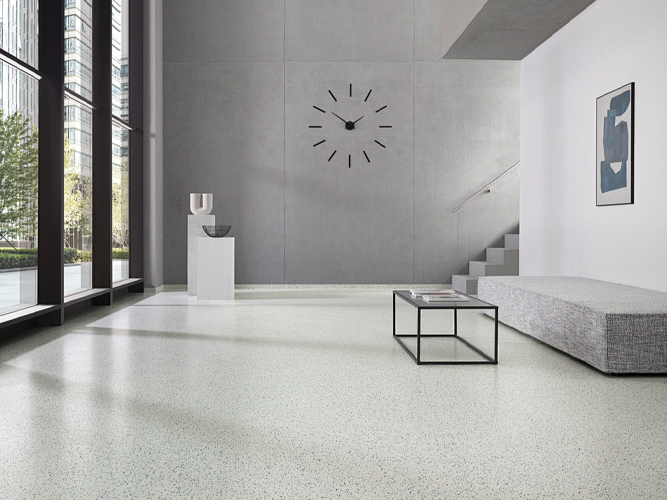
Shopping areas, business districts, and public squares require surfaces that are both functional and visually attractive. Colored anti-slip pavement helps create modern urban spaces while improving pedestrian safety.
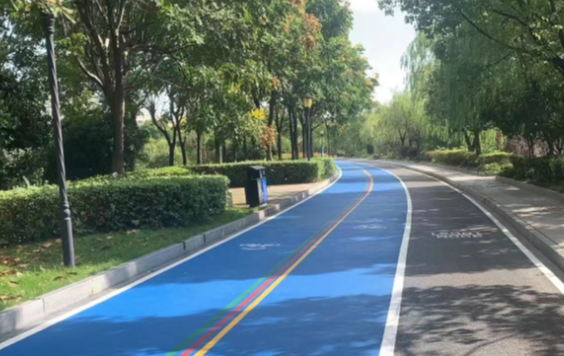
In residential areas, colored pavement can be applied to internal roads, playground surroundings, and shared spaces to create safer environments for residents, children, and elderly pedestrians.
The textured surface structure provides strong friction performance, helping reduce slipping risks for vehicles and pedestrians.
High-quality materials are designed to withstand sunlight, rain, temperature changes, and outdoor exposure, making them suitable for long-term urban applications.
A variety of colors allows cities to create attractive designs, improve wayfinding, and enhance the overall quality of public spaces.
Many modern colored pavement systems use environmentally friendly water-based technologies, reducing environmental impact during installation. Their long service life also helps reduce maintenance requirements and resource consumption.
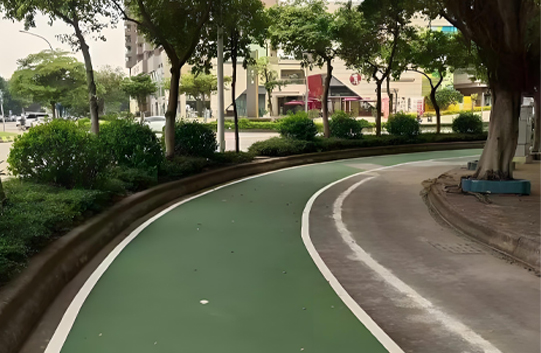
As urban populations continue to grow, cities need infrastructure solutions that combine safety, sustainability, and design flexibility. Colored anti-slip pavement provides a practical solution for improving transportation areas while supporting smart city and green infrastructure development.
For municipalities, road contractors, and infrastructure developers, choosing the right pavement system is essential. Factors such as traffic volume, climate conditions, application location, and performance requirements should be considered when selecting materials.
Colored anti-slip pavement offers an effective way to improve urban road safety and enhance public spaces. With advantages including high friction performance, durability, weather resistance, and attractive appearance, it has become an important solution for modern urban infrastructure projects.
From bicycle lanes and pedestrian paths to commercial areas and residential communities, colored anti-slip pavement helps create safer, cleaner, and more efficient cities for the future.