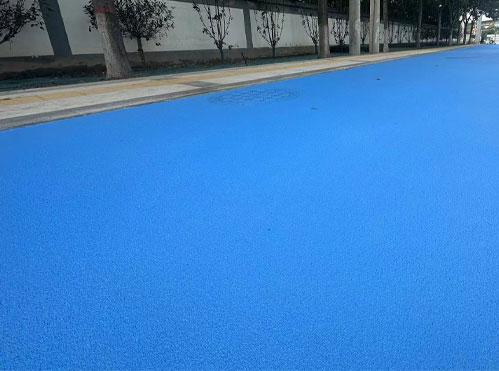
As urban traffic continues to grow, improving road safety has become a major priority for modern cities. Ramps, intersections, bridge approaches, and vehicle transition zones are areas where sudden braking, acceleration, and turning movements frequently occur, creating higher risks of skidding and traffic incidents.
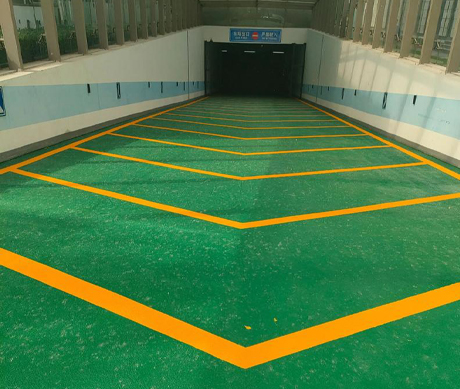
High-Friction Ramp Surfacing provides an effective solution by creating a durable, textured pavement surface that improves tire grip, enhances vehicle control, and increases overall road safety. Designed for demanding urban environments, this advanced surfacing system combines excellent skid resistance, long-term durability, and visual guidance features to support safer transportation infrastructure.
Urban ramps often experience heavy traffic loads and frequent vehicle movements. During rainy conditions or emergency braking situations, traditional pavement surfaces may not provide sufficient friction.
High-Friction Ramp Surfacing increases surface traction by using specially designed aggregates and coating technology to create a strong grip between tires and pavement. This helps:
Reduce vehicle slipping risks
Improve braking performance
Enhance driving stability
Increase driver confidence in challenging areas
The system is particularly suitable for locations where safety performance is critical, including road ramps, bridge decks, tunnel entrances, parking structures, and highway connections.
City roads must withstand continuous traffic pressure, weather changes, and daily wear. High-Friction Ramp Surfacing is engineered to maintain reliable performance under demanding conditions.
Key advantages include:
Strong adhesion to asphalt and concrete surfaces
Excellent abrasion resistance
Long-lasting anti-skid performance
Resistance to UV exposure and weather conditions
Reduced maintenance requirements
These features make high-friction surfacing a practical choice for infrastructure projects requiring long service life and consistent safety performance.
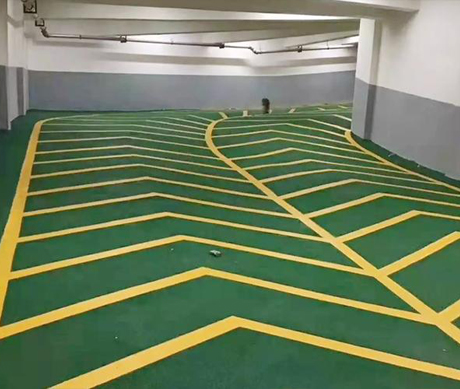
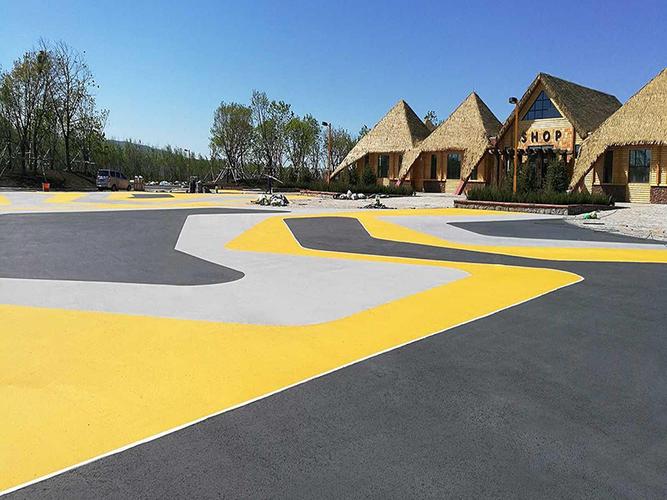
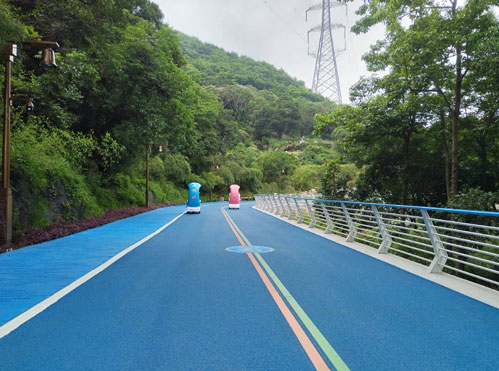
In addition to improving friction, colored high-friction surfacing helps create clearer traffic guidance. Different surface colors can be used to highlight special areas, improve driver awareness, and support better traffic organization.
Common applications include:
Red safety zones
Green bicycle lanes
Colored pedestrian crossings
Warning areas
Traffic separation zones
The combination of high friction and visual recognition helps create safer and more organized urban road systems.
With increasing attention on sustainable infrastructure, modern pavement systems need to provide both performance and environmental benefits. High-Friction Ramp Surfacing supports efficient road upgrades by allowing targeted safety improvements without requiring complete pavement replacement.
Its efficient installation process helps reduce construction time, minimize traffic disruption, and extend the service life of existing road surfaces.
High-Friction Ramp Surfacing is widely used in:
Urban road safety improvement projects
Highway ramps and connection roads
Bridge deck protection systems
Parking garage entrances and exits
Bus lanes and transit corridors
Airport service roads
Industrial traffic areas
Smart city transportation infrastructure
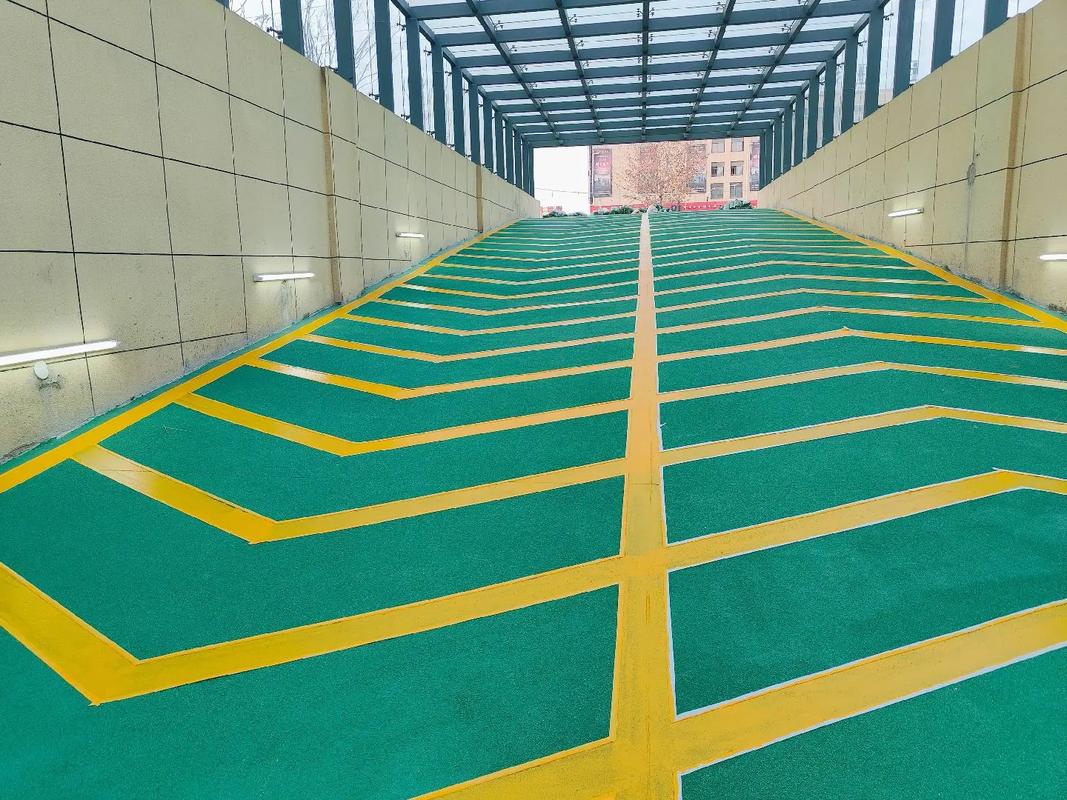
High-Friction Ramp Surfacing plays an important role in improving urban mobility by combining safety, durability, and modern pavement design. By increasing friction, improving visibility, and protecting road surfaces, it helps cities reduce traffic risks and create more reliable transportation networks.
For municipalities, contractors, and infrastructure developers, high-friction ramp surfacing provides a dependable solution for building safer, smarter, and more efficient urban roads.