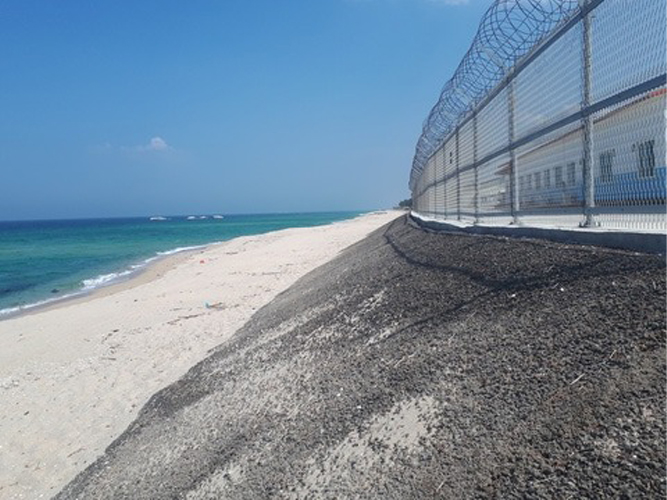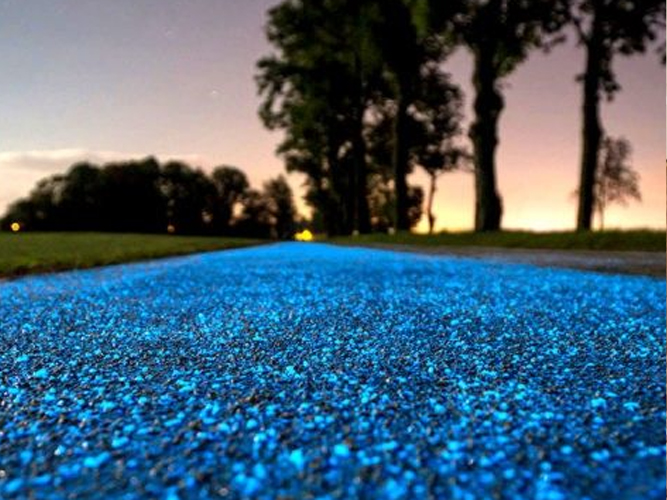
High Friction Surfacing Material is a specialized road safety material designed to improve pavement friction, enhance vehicle grip, and reduce skid risks. It is widely used in areas where high levels of surface traction are required, including highways, bridge decks, sharp curves, ramps, intersections, and pedestrian safety zones.
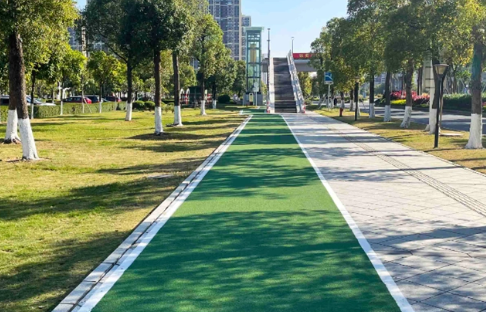
With the development of modern transportation infrastructure, high-performance anti-skid materials have become increasingly important for improving road safety and reducing traffic accidents, especially in wet and high-risk areas.
High Friction Surfacing Material is a composite pavement system consisting of a strong resin binder and specially selected high-friction aggregates. When applied to asphalt, concrete, or other suitable surfaces, it creates a durable textured layer that significantly increases surface grip.
Unlike conventional road coatings, High Friction Surfacing Material provides excellent skid resistance, strong adhesion, and long-term wear performance. The material is designed to withstand heavy traffic loads, weather exposure, and continuous vehicle impact.
The main function of High Friction Surfacing Material is to increase surface friction. The specially designed texture improves tire contact with the pavement, helping vehicles maintain better control during braking, cornering, and acceleration.
High-quality materials offer excellent resistance to abrasion, UV exposure, temperature changes, and heavy traffic. This ensures a longer service life and reduces maintenance requirements.
The advanced resin binder provides strong bonding between the existing pavement and aggregate layer, ensuring stable performance even under demanding road conditions.

High Friction Surfacing Material can be used in various infrastructure projects, including:
Highway curves and ramps
Bridge decks and tunnels
Airport service roads
Bicycle lanes
Bus lanes
Parking areas
Industrial roads
Urban traffic improvement projects
Colored High Friction Surfacing Materials can be customized according to project requirements. Different colors help improve road visibility, traffic organization, and pedestrian safety.
A professional construction process ensures the best performance:
Step 1: Surface Preparation
Clean and prepare the pavement surface to remove dust, oil, and loose particles.
Step 2: Apply Binder Layer
Spread the resin binder evenly onto the prepared surface.
Step 3: Apply High Friction Aggregates
Distribute the aggregates uniformly to form a high-grip surface texture.
Step 4: Final Cleaning and Inspection
Remove excess materials and check the finished surface quality.

Selecting a professional manufacturer ensures consistent quality, reliable performance, and technical support. A trusted supplier can provide customized solutions for different road conditions, climates, and project requirements.
High Friction Surfacing Material provides an effective solution for improving road safety, increasing pavement friction, and extending surface durability. With excellent anti-skid performance, strong bonding, and wide application possibilities, it has become an essential material for modern transportation infrastructure projects worldwide.