Anti-Slip Road Surface Technology plays an important role in improving transportation safety by increasing pavement friction and reducing vehicle skidding risks. As traffic volume continues to grow, safer road surfaces are becoming essential for highways, urban roads, bridges, parking areas, and public transportation zones.

By using advanced materials and high-performance surface treatments, anti-slip road systems help vehicles maintain better control, especially in wet weather, emergency braking situations, and high-risk road sections.
Anti-Slip Road Surface Technology is an advanced pavement solution designed to create a high-friction surface layer on asphalt, concrete, and other road structures.
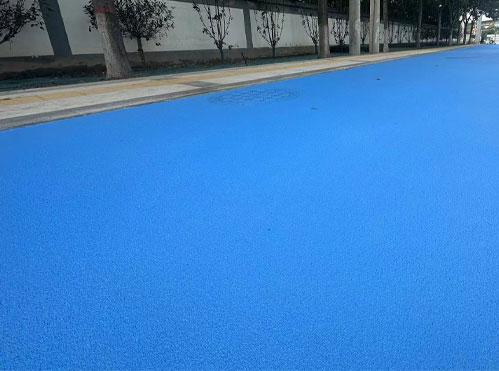
The system typically combines durable resin binders with high-performance anti-skid aggregates to form a rough and stable surface texture. This increases the contact force between tires and pavement, improving vehicle stability and reducing the possibility of slipping.
Unlike traditional smooth road surfaces, anti-slip pavement systems provide long-lasting friction performance under heavy traffic and changing weather conditions.
One of the main causes of road accidents is insufficient tire grip, especially during rain or sudden braking. Anti-slip road surfaces increase friction between tires and pavement, helping drivers maintain better control when turning, accelerating, or stopping.
This improved grip is especially important on sharp curves, steep slopes, bridge approaches, and high-speed roads.
A high-friction road surface allows tires to interact more effectively with the pavement. Better traction helps vehicles stop more quickly during emergency braking, reducing the risk of collisions.
For areas with heavy traffic flow or frequent braking, anti-slip surfacing provides an additional safety layer.
Water can reduce pavement friction and increase the chance of vehicle sliding. Anti-slip road surface technology creates a textured surface that improves water drainage and maintains better tire contact during rainy conditions.
This makes it suitable for regions with frequent rainfall and tropical climates.
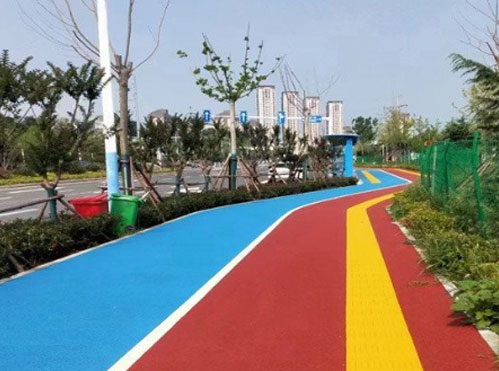
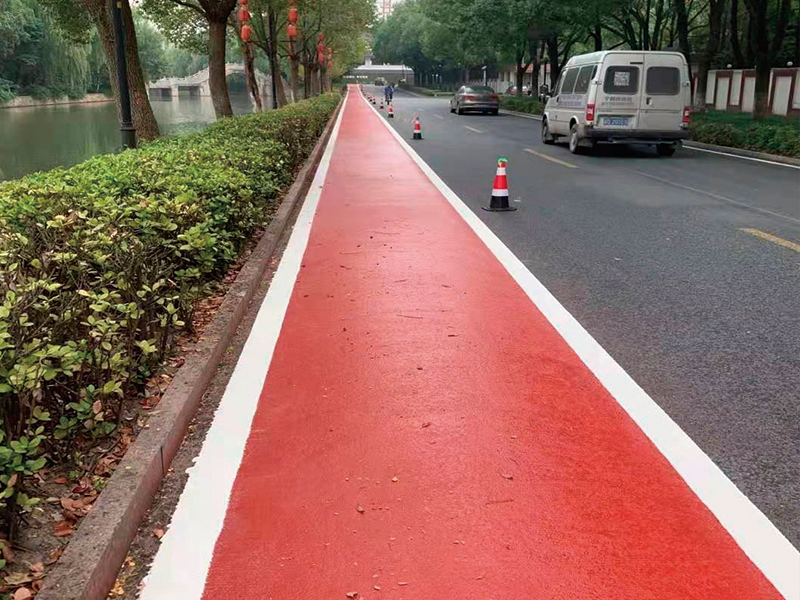
Colored anti-slip pavement systems provide both safety and visual benefits. Different colors can be used to clearly identify:
Bicycle lanes
Pedestrian areas
Bus lanes
School zones
Traffic separation zones
Improved visibility helps drivers and pedestrians recognize different road areas more easily.
Anti-slip road surface systems are widely used in:
Highway curves and ramps
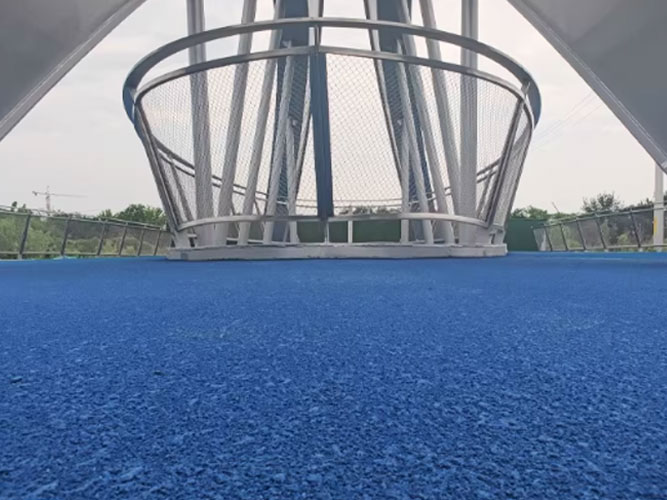
Bridge decks
Airport roads
Urban intersections
Parking areas
Bicycle paths
Pedestrian walkways
Industrial facilities
Logistics areas
Residential roads
These applications help reduce accident risks and improve overall transportation efficiency.
Modern anti-slip pavement solutions offer:
High friction performance
Strong adhesion to asphalt and concrete
Excellent wear resistance
Weather and UV resistance
Long service life
Fast installation
Custom color options
These features make them a reliable choice for infrastructure projects requiring improved safety and durability.
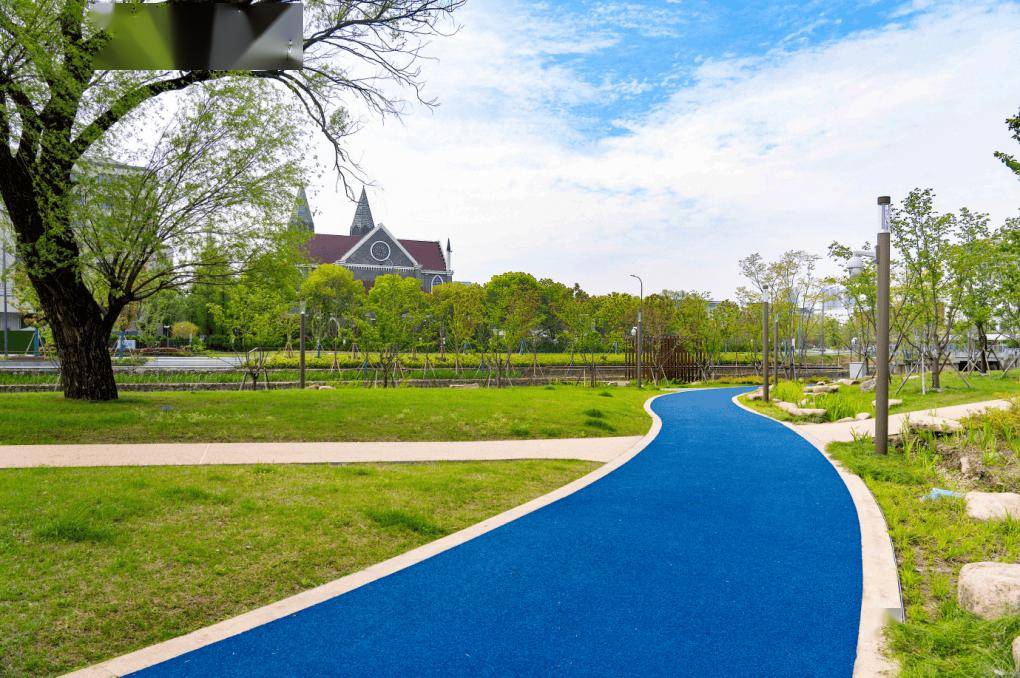
Anti-Slip Road Surface Technology provides an effective solution for reducing traffic risks and creating safer road environments. By improving tire grip, reducing braking distance, and increasing visibility, anti-slip pavement systems help protect drivers, cyclists, and pedestrians.
As cities continue to develop safer transportation networks, advanced anti-slip road surface solutions will remain an important technology for modern road infrastructure.