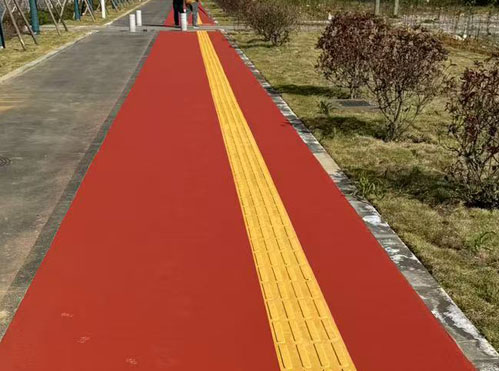
Bridge decks are critical components of transportation infrastructure, but they are also areas where road safety risks can increase due to weather exposure, heavy traffic loads, and reduced surface friction. Rainwater, temperature changes, and continuous vehicle movement can gradually affect pavement performance and create slippery conditions.

High Friction Surfacing (HFS) provides an advanced solution for bridge deck safety improvement by increasing surface grip, improving vehicle control, and reducing the risk of skidding accidents. This technology is widely used in bridge maintenance and road safety projects around the world.
High Friction Surfacing is a specialized pavement treatment system that combines high-performance resin binders with durable friction aggregates to create a strong, textured surface layer.
The system is designed to enhance the skid resistance of bridge decks without requiring complete pavement reconstruction. By improving the interaction between vehicle tires and the road surface, high friction surfacing helps maintain safer driving conditions in both dry and wet weather.
A typical high friction surfacing installation includes:
Bridge deck surface preparation
Application of high-strength bonding resin
Installation of high-friction aggregates
Surface curing and finishing
The final surface provides excellent traction, durability, and resistance to heavy traffic conditions.
Bridge decks are often exposed to rain and moisture, which can reduce pavement friction. High friction surfacing creates a rough surface texture that improves tire grip and helps reduce slipping risks during wet conditions.
Bridges often include curves, approaches, and transition areas where drivers need better control. High friction surfaces improve stability during braking, acceleration, and cornering.
Areas with high traffic speed or frequent braking require additional friction performance. High friction surfacing helps reduce skidding risks and improves overall road safety.
The protective surface layer helps resist wear caused by traffic loads, weather exposure, and daily vehicle operations, supporting longer pavement service life.
High friction surfacing systems are suitable for:
Bridge decks
Bridge approaches
Highway overpasses
Elevated roads
Curved bridge sections
Emergency braking zones
These applications are especially valuable in regions with heavy rainfall, high temperatures, and demanding traffic conditions.
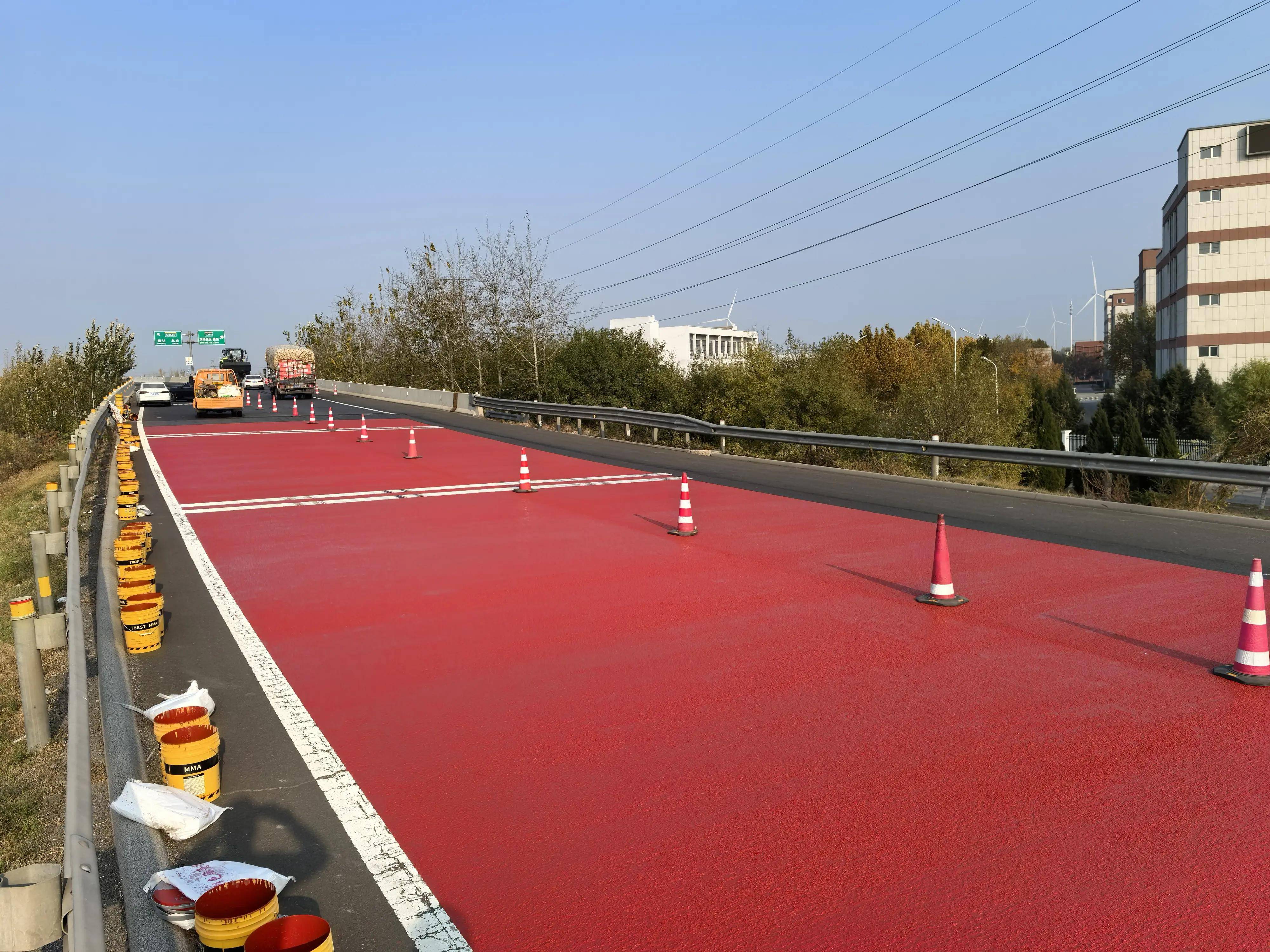
High friction aggregates provide increased surface texture and improved tire adhesion.
Advanced materials can withstand UV exposure, temperature changes, moisture, and heavy traffic.
High friction surfacing can be applied quickly, reducing traffic disruption compared with traditional reconstruction methods.
Instead of replacing entire bridge pavement structures, HFS provides an efficient method to improve safety performance.
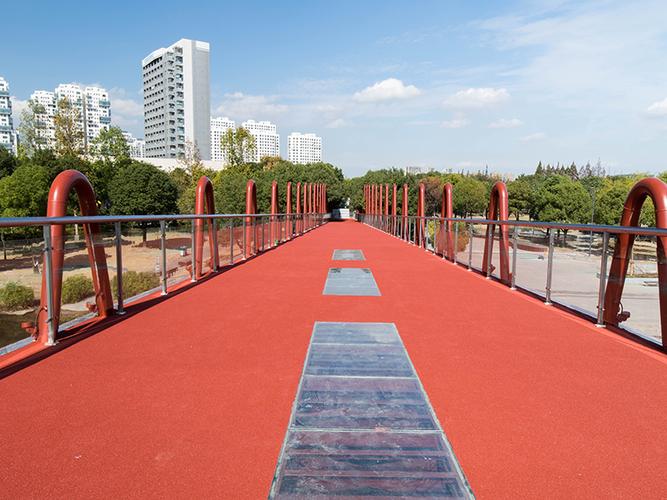
As transportation networks continue to expand, improving bridge safety has become a priority for governments, contractors, and infrastructure developers. High Friction Surfacing offers a practical and durable solution for enhancing bridge deck performance and protecting road users.
By combining superior friction, long-term durability, and efficient installation, high friction surfacing systems help create safer bridges and more reliable transportation infrastructure worldwide.