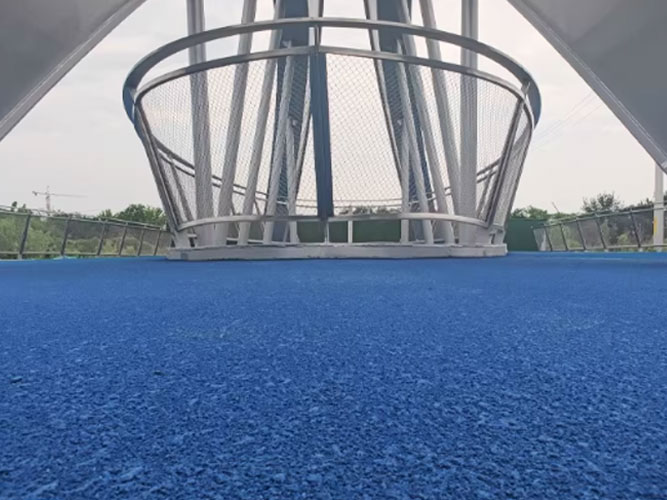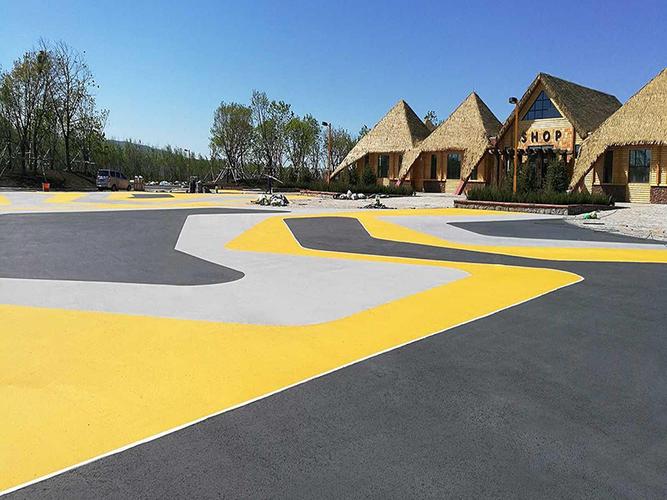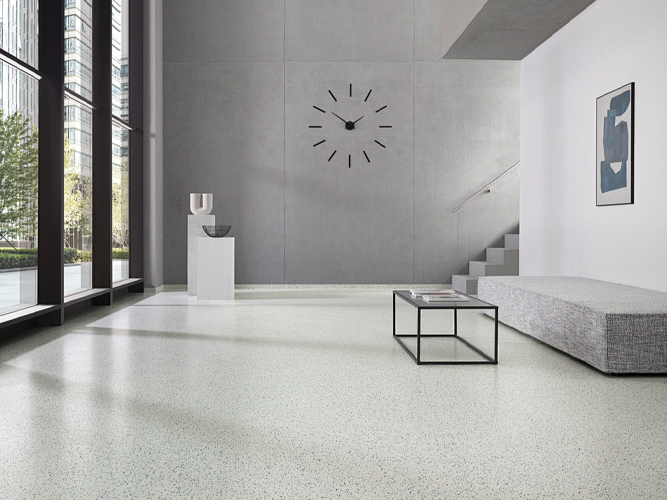
When planning a road, bike lane, pedestrian walkway, parking area, or public space, choosing between colored pavement and traditional gray pavement is an important decision. Both options offer unique advantages, but the best choice depends on the project's goals, budget, and performance requirements.

Gray pavement refers to conventional asphalt or concrete surfaces commonly used on highways, streets, parking lots, and sidewalks. It is widely available, cost-effective, and easy to install.
Lower initial construction cost
Widely available materials and contractors
Easy maintenance and repair
Suitable for large-scale infrastructure projects
Proven long-term performance
Limited visual appeal
Difficult to distinguish special traffic zones
Lower visibility for drivers and pedestrians
Provides no color-based traffic guidance
Colored pavement is created using colored aggregates, pigmented binders, resin-based coatings, or specialized surfacing systems. It is widely used in bicycle lanes, bus lanes, pedestrian crossings, school zones, parks, scenic roads, and urban landscapes.
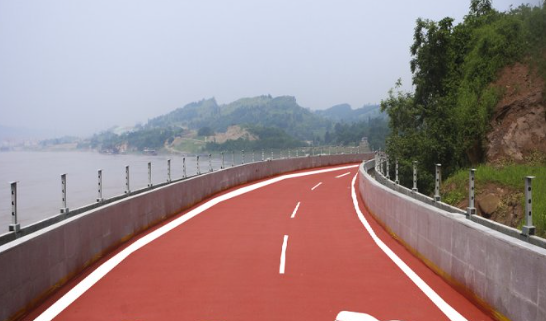
Enhances road safety through visual guidance
Clearly identifies traffic zones and functional areas
Improves urban aesthetics and landscape design
Increases driver awareness in high-risk locations
Supports traffic calming measures
Can incorporate anti-slip technology for improved skid resistance
Higher installation cost than traditional pavement
May require periodic color restoration
Material selection is critical for long-term durability
Safety is one of the biggest advantages of colored pavement. Bright colors such as red, green, blue, and yellow immediately attract attention and help separate different traffic users.
Examples include:
Red anti-slip pavement for dangerous curves and intersections
Green bicycle lanes for cyclist protection
Colored pedestrian crossings for improved visibility
Bus lanes with dedicated color markings
Gray pavement provides structural performance but lacks these visual safety benefits.
Modern colored pavement systems use high-performance resins, ceramic aggregates, and wear-resistant coatings that can withstand heavy traffic and harsh weather conditions.
High-quality colored anti-slip pavement can offer:
Excellent abrasion resistance
UV resistance
Long-lasting color retention
Strong skid resistance
Gray pavement remains highly durable but may require additional markings and signage to achieve the same level of traffic guidance.
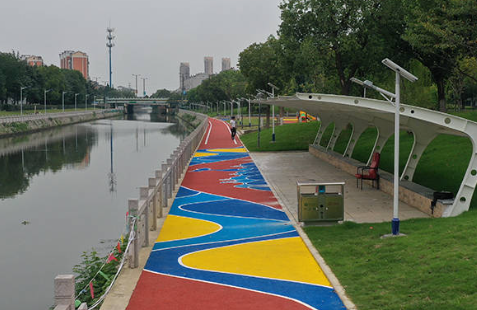
Many cities are adopting colored pavement as part of smart urban infrastructure projects. Colored surfaces help create more attractive public spaces and improve the overall appearance of roads, parks, and commercial districts.
Applications include:
Urban streetscapes
Tourist attractions
School campuses
Residential communities
Public plazas
Cycling networks
Gray pavement generally has a lower upfront cost. However, colored pavement can provide long-term value by enhancing safety, reducing accident risks, and improving traffic organization.
For high-traffic safety zones, the additional investment in colored pavement is often justified by its functional benefits.
There is no single answer for every project.
Gray pavement is ideal when cost efficiency and basic road functionality are the primary concerns.
Colored pavement is the better choice when safety, visibility, traffic management, and aesthetics are important project goals.
As cities continue to prioritize safer and more visually appealing transportation networks, colored pavement is becoming an increasingly popular solution for modern infrastructure. For bicycle lanes, pedestrian crossings, bus lanes, school zones, and traffic-calming areas, colored pavement often delivers advantages that traditional gray pavement cannot match.