Road Anti-Skid Materials in Smart City Infrastructure Design
As cities move toward smarter and safer transportation systems, road anti-skid materials have become a core component of modern infrastructure design. These materials are not only focused on improving driving safety but also on supporting intelligent traffic management, visual guidance, and sustainable urban development.
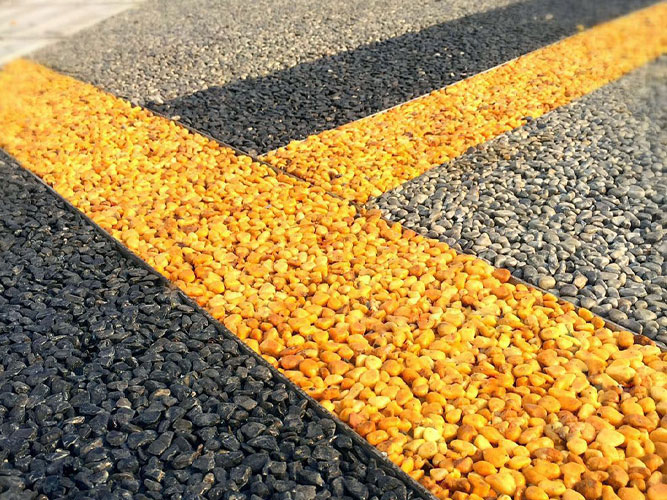
At the center of this evolution is high-friction anti-skid pavement technology. By integrating durable aggregates such as ceramic particles or high-friction minerals into advanced binders, the road surface achieves strong micro-texture and macro-roughness. This significantly increases tire grip, reduces braking distance, and improves vehicle stability, especially in wet or high-traffic conditions. In smart city environments where traffic flow is dense and dynamic, this added safety margin is essential.
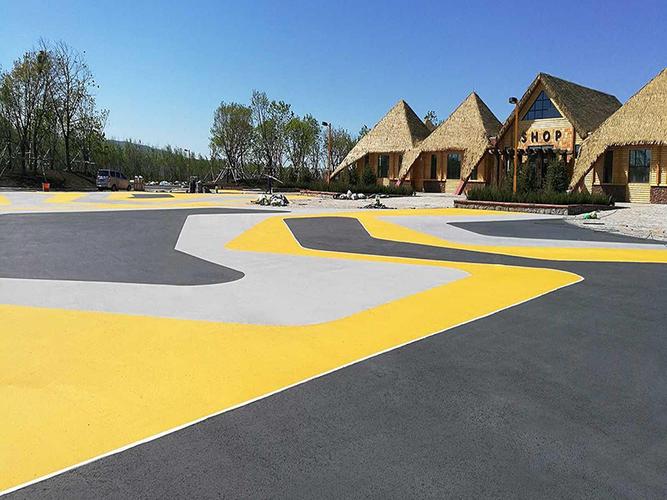
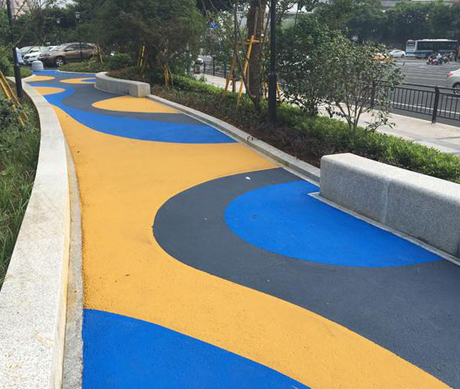
Another key role of anti-skid materials in smart infrastructure is visual traffic coding. Colored surfaces are increasingly used to define functional zones such as bicycle lanes, pedestrian crossings, bus corridors, and smart mobility lanes. This visual layering improves road readability for both human drivers and autonomous systems, supporting safer navigation and reducing traffic conflicts in complex intersections and shared road spaces.
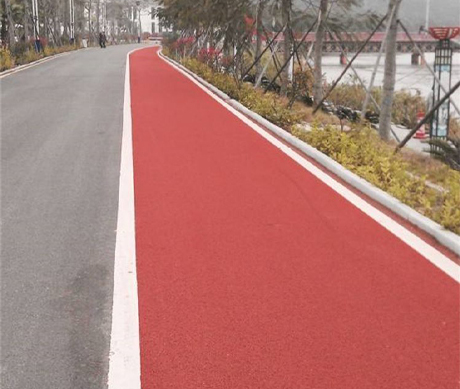
Modern systems such as Colored Anti-Slip Pavement System are designed for integration with intelligent transport planning. Their high visibility and consistent friction performance make them suitable for smart intersections, school zones, logistics corridors, and urban safety corridors where real-time traffic behavior must be managed more precisely.
Durability is also a critical factor in smart city design. Anti-skid pavement materials are engineered to resist UV degradation, heavy traffic wear, and thermal expansion cycles. This ensures long service life with stable friction performance, reducing maintenance frequency and lifecycle costs—an important requirement for data-driven urban asset management systems.
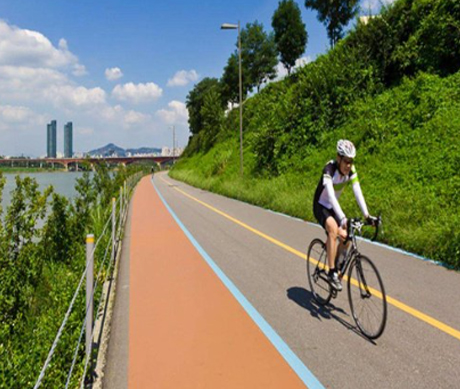
In addition, fast-curing technologies such as resin-based and MMA systems allow rapid road deployment with minimal disruption. This is particularly valuable in smart cities where infrastructure downtime must be minimized to maintain traffic efficiency and connected mobility services.
Environmental sustainability further strengthens their role in modern infrastructure. Many advanced formulations are low-VOC or water-based, supporting green city initiatives and reducing environmental impact during construction and maintenance phases.
Overall, road anti-skid materials are no longer just safety enhancements—they are an integral part of smart city infrastructure design. They connect safety engineering, visual communication, and sustainable construction into one system, helping cities build safer, more efficient, and more intelligent transportation networks for the future.