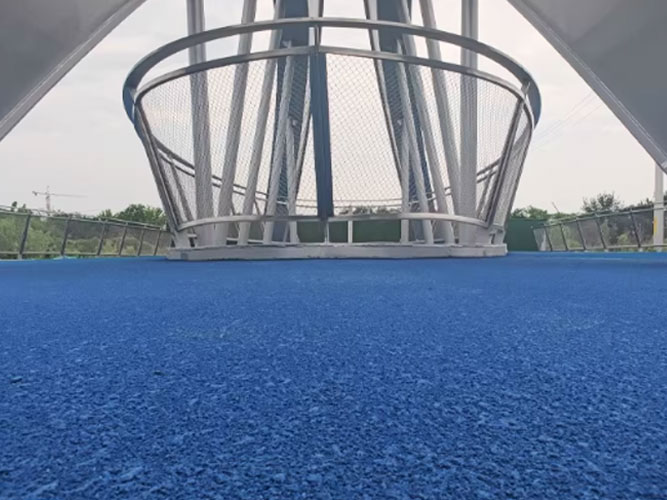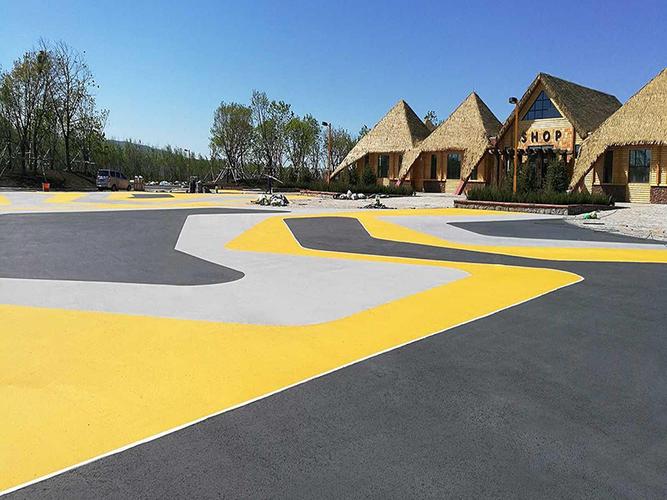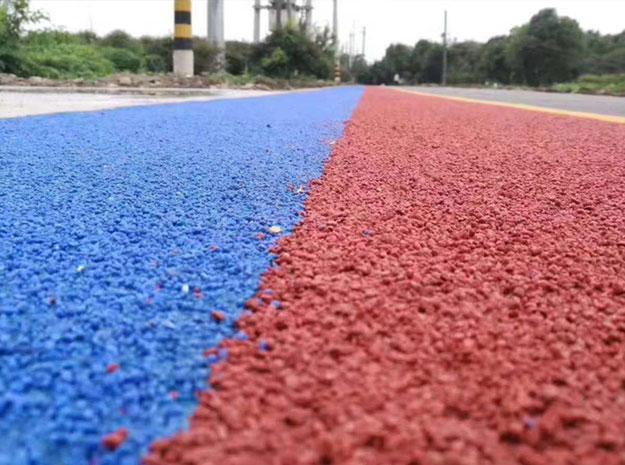
Road infrastructure plays a crucial role in ensuring safe and efficient transportation. As cities continue to grow and traffic volumes increase, traditional road surfaces are no longer sufficient to meet modern safety and visibility requirements. Coloured surfacing for roads has become an effective solution for improving road safety, enhancing traffic management, and creating visually appealing urban environments.
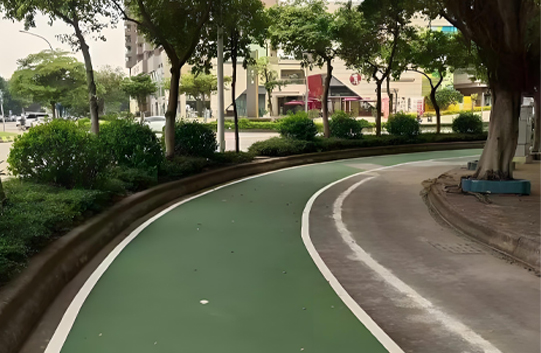
Coloured surfacing is a specialized pavement treatment that applies durable colored materials to asphalt or concrete surfaces. These systems are designed to provide long-lasting color, excellent skid resistance, and strong adhesion to the existing pavement. Common colors include red, green, blue, and yellow, each serving specific traffic management and safety purposes.
Coloured surfacing can be installed on roads, bicycle lanes, pedestrian crossings, bus lanes, parking areas, and other transportation facilities where visibility and safety are important.
One of the primary advantages of coloured surfacing is enhanced safety. Bright and highly visible road surfaces help drivers recognize potential hazards, traffic zones, and lane changes more quickly. In areas with heavy traffic or complex intersections, coloured surfacing can significantly improve driver awareness.
Modern coloured surfacing systems often incorporate anti-skid aggregates that provide high friction levels. This additional grip helps reduce vehicle stopping distances and improves safety during wet weather conditions.
Different colors can be used to distinguish specific traffic zones. For example:
Red surfaces for bus lanes and priority routes
Green surfaces for bicycle lanes
Blue surfaces for parking areas
Yellow or red surfaces for pedestrian crossings and warning zones
This visual guidance improves traffic flow and reduces driver confusion.
In addition to safety benefits, coloured surfacing enhances the appearance of roads and public spaces. Municipal authorities increasingly use coloured pavement to create modern, attractive streetscapes that improve the overall urban environment.
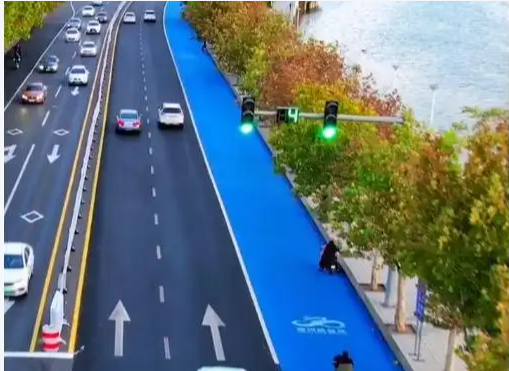
Coloured surfacing is widely used in various transportation and infrastructure projects, including:
Urban roads
Bicycle lanes
Bus lanes
School zones
Pedestrian crossings
Roundabouts
Parking facilities
Residential communities
Airport service roads
Industrial and logistics parks
Its versatility makes it suitable for both new construction and road rehabilitation projects.
When selecting a coloured surfacing system, project owners should consider the following characteristics:
High skid resistance
Excellent adhesion to asphalt and concrete
UV resistance for long-term color retention
Weather resistance
Fast installation and curing
Low maintenance requirements
Long service life
These features help ensure reliable performance under heavy traffic and varying environmental conditions.
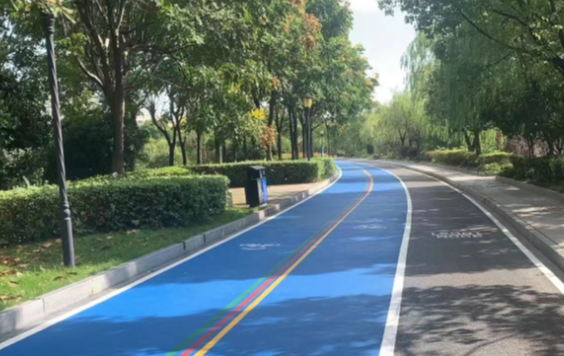
As governments and municipalities focus more on sustainable transportation and smart city development, coloured surfacing continues to gain popularity worldwide. The ability to improve safety, organize traffic, and enhance urban aesthetics makes it an essential component of modern road infrastructure projects.
Advances in material technology are also improving durability and environmental performance, making coloured surfacing a preferred choice for contractors, engineers, and city planners.
Coloured surfacing for roads offers a practical and effective way to improve safety, visibility, and traffic organization while enhancing the appearance of public infrastructure. Whether applied to urban streets, bicycle lanes, bus corridors, or pedestrian crossings, coloured surfacing provides long-lasting performance and significant benefits for both road users and project owners. As transportation networks continue to evolve, coloured surfacing will remain an important solution for creating safer and more efficient road systems.