Road surfaces play an important role in transportation safety and infrastructure performance. With increasing traffic volumes and higher safety requirements, choosing the right pavement solution has become essential for contractors and road developers.
High Friction Surfacing and traditional road coating are two common surface treatment options. While both can improve pavement appearance and protection, they have significant differences in friction performance, durability, and application areas.
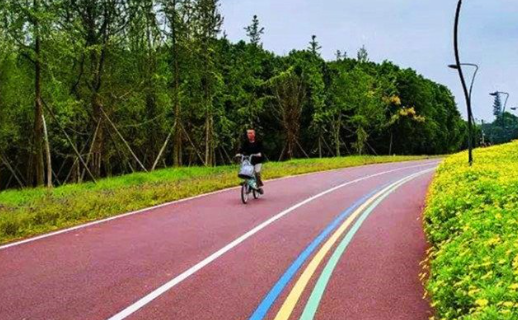
High Friction Surfacing is an advanced pavement system designed to create a highly durable and skid-resistant surface.
It usually combines high-performance binders with strong aggregates to form a textured surface layer.
Key features include:
• High surface friction
• Excellent anti-skid performance
• Strong adhesion
• Long service life
• Resistance to heavy traffic and weather conditions
High Friction Surfacing is commonly used in highways, bridge decks, ramps, bicycle lanes, and other areas where safety is a priority.
Traditional road coating is mainly used to improve pavement appearance, provide surface protection, or create traffic markings.
It is commonly applied in:
• Parking areas
• Decorative pavement projects
• Low-traffic roads
• Public spaces
Traditional coatings can improve color and surface appearance but may have limitations in high-friction and heavy-duty applications.
High Friction Surfacing provides significantly higher surface grip due to its specially designed texture and aggregate structure.
Traditional road coatings usually focus more on appearance and protection rather than maximum friction performance.
Winner: High Friction Surfacing
For areas with high safety requirements, such as highways, curves, ramps, and wet roads, high friction surfacing provides better vehicle control.
Traditional coatings may not provide sufficient skid resistance in demanding conditions.
Winner: High Friction Surfacing
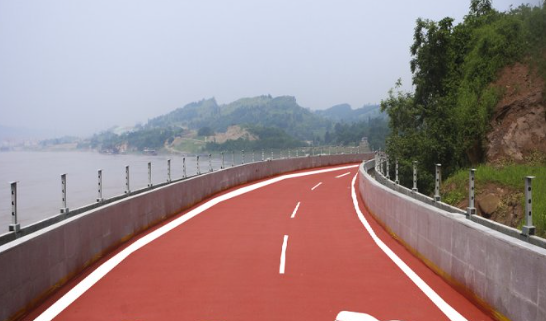
High Friction Surfacing is designed to withstand:
• Heavy traffic loads
• Vehicle braking forces
• Weather exposure
• Long-term wear
Traditional road coatings generally have a shorter service life in high-traffic environments.
Winner: High Friction Surfacing
High Friction Surfacing is suitable for:
• Highways
• Bridge approaches
• Industrial roads
• Airport areas
• Bicycle lanes
• Traffic safety zones
Traditional road coating is more suitable for:
• Decorative applications
• Low-traffic areas
• Surface color improvement
In tropical regions such as Southeast Asia, road materials must withstand:
• Heavy rainfall
• Strong sunlight
• High temperatures
• Humidity
High Friction Surfacing materials are designed for harsh outdoor environments and maintain performance over time.
Winner: High Friction Surfacing
Traditional road coatings may have lower initial costs and are suitable for projects where appearance is the main requirement.
High Friction Surfacing usually requires a higher initial investment but provides better long-term value through improved safety, durability, and reduced maintenance needs.
The best choice depends on the project requirements.
Choose High Friction Surfacing for:
• High-speed roads
• Heavy traffic areas
• Wet-weather locations
• Safety-critical zones
• Long-term infrastructure projects
Choose Traditional Road Coating for:
• Decorative pavement
• Low-traffic applications
• Temporary improvements
• Visual enhancement projects
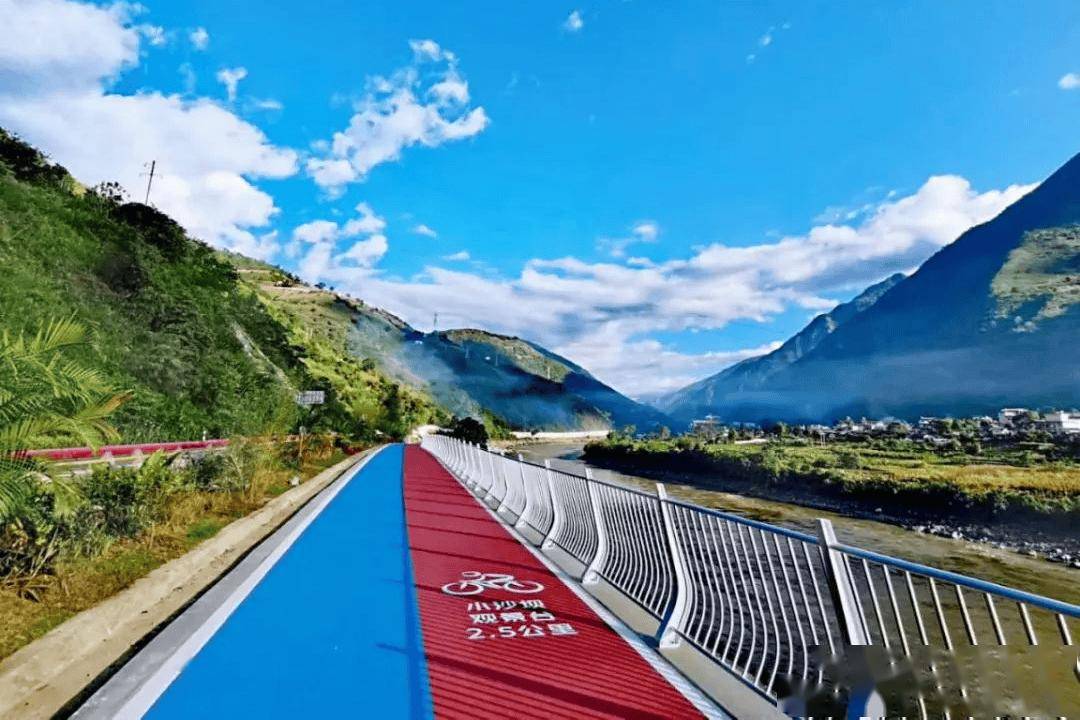
With the development of smart cities and safer transportation systems, more contractors are choosing high-performance pavement solutions.
High Friction Surfacing provides the combination of:
• Safety improvement
• Long-lasting performance
• Better visibility
• Strong surface protection
It is becoming an important choice for modern road construction projects worldwide.
High Friction Surfacing offers better performance than traditional road coating when road safety, durability, and friction performance are the main priorities.
For highways, urban transportation, industrial areas, and heavy traffic applications, high friction surfacing provides a reliable solution for creating safer and more durable road surfaces.