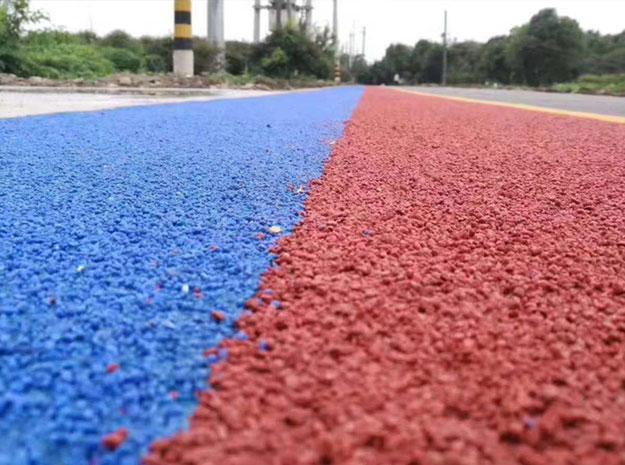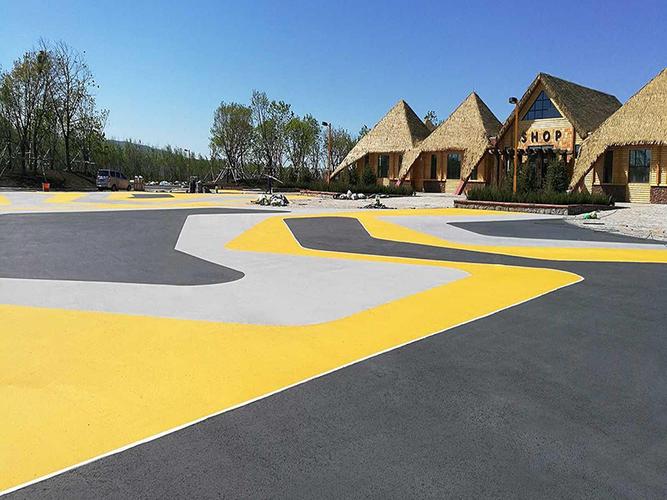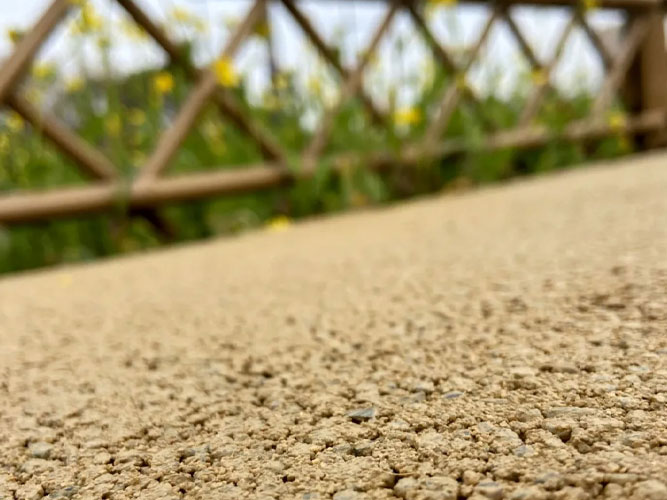
With the rapid development of urban transportation systems, cities around the world are focusing on safer, more sustainable, and more efficient road infrastructure. Bicycle lanes and urban roads require surface solutions that provide excellent traction, clear visibility, and long-term durability. High Friction Surfacing (HFS) has become an effective choice for improving road safety and enhancing modern urban mobility.
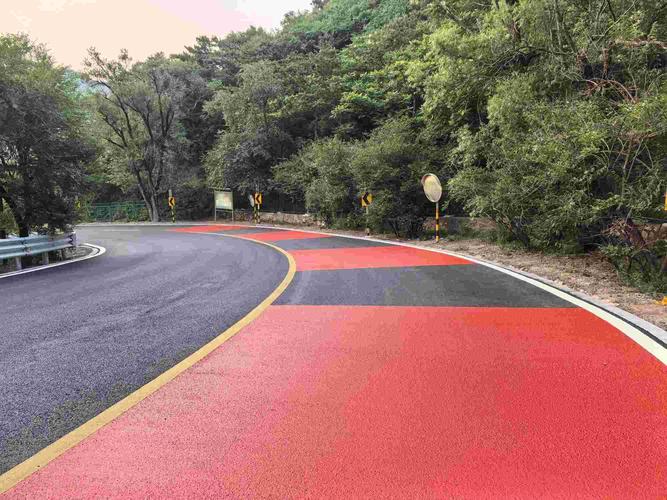
Bicycle lanes often face challenges such as rainwater, smooth pavement surfaces, and frequent interaction with vehicles. High Friction Surfacing creates a textured surface that increases grip between tires and the road, helping cyclists maintain better control during braking, turning, and wet weather conditions.
For urban roads, improved friction performance helps reduce skidding risks at intersections, pedestrian crossings, roundabouts, and other high-risk areas.
Colored High Friction Surfacing provides more than safety performance; it also improves road organization and visual guidance.
Common applications include:
Bicycle lanes
Bus lanes
Pedestrian zones
School areas
Traffic calming sections
Urban intersections
Different surface colors help drivers and pedestrians quickly recognize dedicated areas, improving traffic awareness and reducing conflicts between different road users.
Urban roads and bicycle paths are often affected by rainfall, which can reduce tire grip and increase accident risks. High Friction Surfacing provides excellent skid resistance even in wet conditions, making it suitable for areas with frequent rain and changing weather environments.
Its durable surface structure helps maintain reliable friction performance throughout its service life.
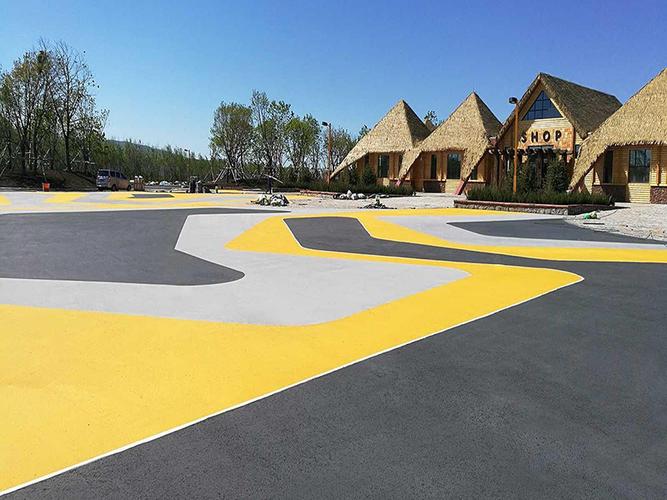
Modern cities require road materials that can withstand heavy use while reducing maintenance costs. High Friction Surfacing offers strong adhesion, wear resistance, and weather durability.
It can be applied on various surfaces, including:
Asphalt roads
Concrete pavements
Bridge decks
Urban pathways
This makes it a practical solution for long-term infrastructure improvement projects.
As cities promote cycling and sustainable transportation, safer bicycle infrastructure becomes increasingly important. High Friction Surfacing helps create comfortable and secure cycling environments, encouraging more people to choose bicycles for daily travel.
By combining safety, functionality, and attractive design, colored anti-skid surfacing contributes to the development of modern green cities.
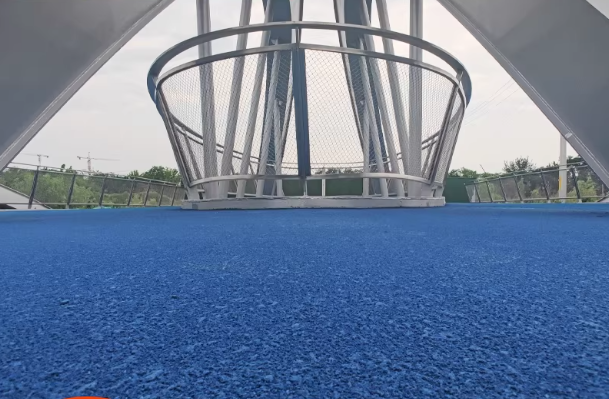
High Friction Surfacing is widely used in urban renewal projects because it can upgrade existing road surfaces without major reconstruction.
Its advantages include:
Improved road safety
Increased surface friction
Better traffic visibility
Attractive appearance
Fast installation
Extended pavement life
As cities continue to invest in smart transportation and sustainable infrastructure, High Friction Surfacing will remain an important technology for creating safer bicycle lanes and more reliable urban roads.